
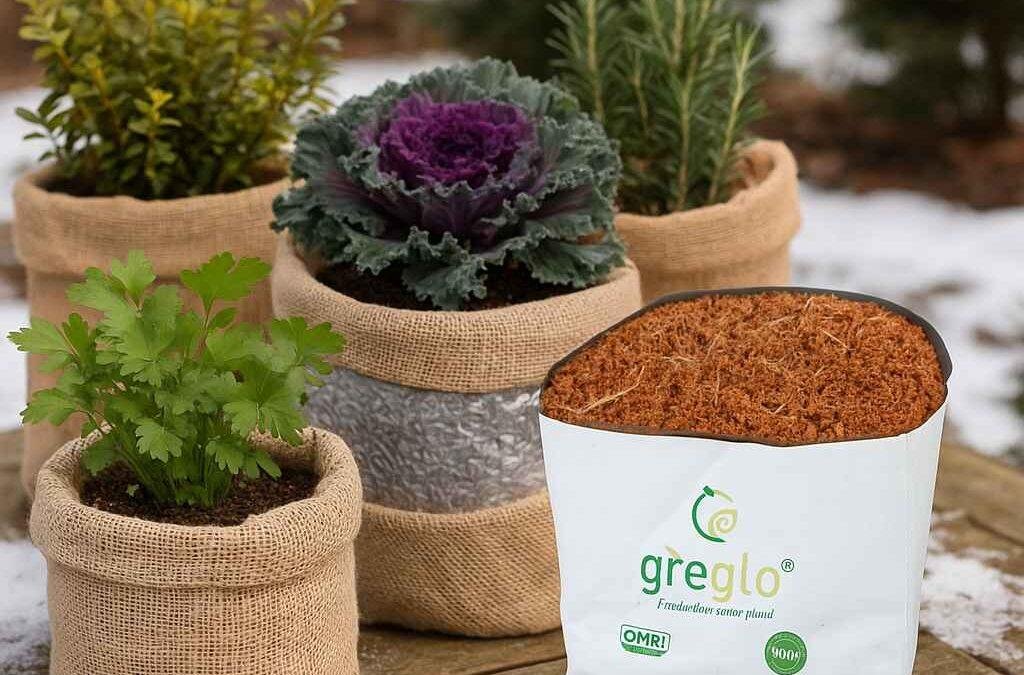
Modern agriculture is evolving rapidly. With increasing pressure on land, water, and soil quality, farmers across the globe are searching for sustainable and efficient cultivation methods. One innovation that is transforming horticulture and commercial farming is the Cocopeat Grow Bag. Designed to support soil-free and high-efficiency cultivation, this growing medium has become a preferred choice in greenhouses, hydroponics, and export-oriented agriculture.
Brands like GREGLO, known for delivering high-quality coconut-based agricultural solutions, are playing an important role in supplying reliable growing media to international markets. This article explores how Cocopeat Grow Bag solutions are enhancing farming systems worldwide.
Rising Demand for Sustainable Farming Substrates Today
The global farming industry is steadily moving toward sustainable practices. Soil degradation, water scarcity, and unpredictable climate conditions have forced growers to rethink traditional cultivation methods. Conventional soil farming often struggles with inconsistent drainage, poor aeration, and soil-borne diseases.
A Cocopeat Grow Bag offers an alternative that reduces dependency on natural soil. Made from processed coconut husk fibers, cocopeat is renewable and environmentally friendly. Farmers seeking better control over root development and moisture management are increasingly turning to this solution.
Across Europe, the Middle East, and Asia, commercial growers now prefer controlled growing substrates that provide consistency and predictability in crop performance. This shift has significantly increased global demand for coco-based products.
Cocopeat Grow Bag Structure and Functional Advantages
A Cocopeat Grow Bag is a compressed or ready-to-use planting bag filled with high-quality cocopeat. The structure is carefully prepared to ensure optimal air porosity and water retention. When hydrated, the cocopeat expands and creates a balanced growing environment for plant roots.
One of the biggest advantages of a Cocopeat Grow Bag is its ability to retain moisture while maintaining sufficient aeration. Unlike heavy soils that compact over time, cocopeat remains loose and fibrous. This structure supports healthy root expansion and nutrient absorption.
Additionally, cocopeat has a neutral to slightly acidic pH, making it suitable for a wide range of crops including vegetables, fruits, flowers, and herbs.
Improving Water Retention and Drainage Efficiency Globally
Water management is one of the biggest challenges in agriculture. Overwatering can damage roots, while underwatering reduces yield. A Cocopeat Grow Bag helps balance these concerns effectively.
Cocopeat can hold water several times its weight while still allowing excess moisture to drain properly. This property ensures that roots receive consistent hydration without becoming waterlogged. In greenhouse cultivation, drip irrigation systems combined with cocopeat bags improve water efficiency significantly.
In regions facing water scarcity, farmers benefit from reduced irrigation frequency. This efficient use of resources supports sustainable farming models worldwide.
Role of Cocopeat Grow Bag in Greenhouse Farming Expansion
Greenhouse farming requires precise control over growing conditions. Soil inconsistency can create unpredictable results, but cocopeat offers uniformity. The Cocopeat Grow Bag is widely used in greenhouse tomato, cucumber, capsicum, and strawberry cultivation.
Growers appreciate the standardized quality and clean growing environment. Since cocopeat is free from many soil-borne pathogens, crop health improves considerably. Reduced disease incidence translates into higher productivity and better-quality produce.
International greenhouse projects increasingly depend on reliable suppliers like GREGLO for consistent cocopeat products that meet export standards.
Enhancing Root Development and Nutrient Absorption
Healthy roots are the foundation of high-yield crops. Poor soil aeration restricts root growth and nutrient uptake. A Cocopeat Grow Bag provides the ideal structure for root expansion.
The fibrous texture creates small air pockets that allow oxygen circulation. This aeration stimulates strong root systems, which in turn absorb nutrients more efficiently. Strong roots also improve plant resilience during environmental stress.
Farmers report improved uniformity in crop growth when switching from traditional soil beds to coco-based grow bags. The consistency of the medium supports even plant development across the cultivation area.
Reducing Soil-Borne Diseases in Intensive Agriculture
Continuous soil cultivation often leads to disease buildup. Pathogens, fungi, and pests accumulate over time, affecting yield and crop quality. Soil sterilization can be expensive and time-consuming.
Using a Cocopeat Grow Bag significantly reduces exposure to soil-related diseases. Since the substrate is processed and cleaned before packaging, it provides a safer environment for seedlings and mature plants alike.
This advantage is particularly important for export-oriented farms where quality standards are strict. Cleaner growing conditions mean fewer chemical interventions and healthier produce.
Supporting Hydroponic and Soilless Cultivation Systems
Hydroponic farming is expanding rapidly in urban and commercial settings. Cocopeat plays a major role in these systems as a stable and supportive growing medium. A Cocopeat Grow Bag works effectively in drip-fed hydroponic systems.
It holds nutrient solutions while allowing excess salts to drain, preventing root stress. Growers can precisely control nutrient concentration, leading to improved yield and faster crop cycles.
In countries investing in high-tech agriculture, cocopeat bags are becoming an essential component of modern hydroponic infrastructure.
Export Quality Standards and Global Market Growth
International markets demand consistent quality, proper packaging, and reliable supply chains. Companies like GREGLO focus on producing premium cocopeat products that meet global agricultural standards.
A Cocopeat Grow Bag designed for export must maintain uniform EC levels, proper buffering, and optimal moisture content. These quality parameters ensure the product performs consistently in different climates.
The worldwide acceptance of cocopeat as a sustainable alternative has opened new trade opportunities. Importers prefer dependable suppliers who understand agricultural requirements and logistics.
Economic Benefits for Commercial and Small Farmers
Cost efficiency is a major consideration for farmers. While initial setup may differ from traditional soil systems, the long-term benefits of using a Cocopeat Grow Bag are significant.
Improved yield, reduced disease management costs, and better water efficiency contribute to higher profitability. For small-scale growers, cocopeat bags simplify cultivation and reduce land preparation expenses.
Commercial farms benefit from scalability. Standardized grow bags allow uniform planting layouts and easier crop management.
Environmental Impact and Sustainable Farming Future
Sustainability is no longer optional in agriculture. Cocopeat is derived from coconut husk, a renewable byproduct of the coconut industry. Utilizing this material reduces agricultural waste and promotes circular economy practices.
A Cocopeat Grow Bag supports environmentally responsible farming by minimizing soil depletion and chemical dependency. The medium is biodegradable and eco-friendly, aligning with global sustainability goals.
As climate challenges intensify, farmers worldwide are shifting toward adaptable and resource-efficient cultivation systems.
Why GREGLO Leads in Cocopeat Grow Bag Supply
Quality consistency, processing standards, and global logistics define successful suppliers. GREGLO has positioned itself as a trusted name in coconut-based agricultural products.
By focusing on strict quality control, proper buffering, and reliable packaging, GREGLO ensures that each Cocopeat Grow Bag meets international farming expectations. The company’s commitment to sustainability and innovation makes it a dependable partner for growers and distributors worldwide.
Farmers choosing GREGLO benefit from expertise, quality assurance, and a product designed to perform across different agricultural environments.
Conclusion: Transforming Agriculture with Cocopeat Innovation
The future of agriculture depends on smart, sustainable solutions. Traditional soil farming alone cannot meet the rising global demand for food. Innovations like the Cocopeat Grow Bag are reshaping modern cultivation practices.
From improving water efficiency and root health to supporting greenhouse and hydroponic systems, cocopeat-based grow bags are enhancing farming systems worldwide. With reliable suppliers such as GREGLO delivering quality products to global markets, growers can confidently adopt sustainable and productive farming methods.
As agricultural systems continue to evolve, cocopeat solutions will remain at the forefront of modern farming advancement.