
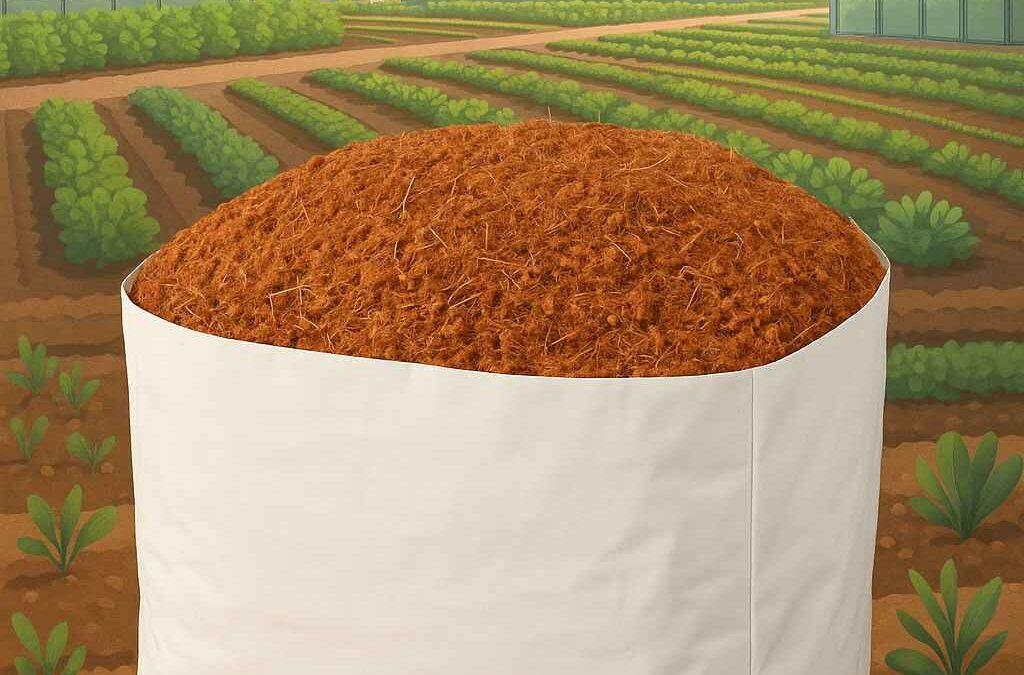
Gardening has evolved tremendously over the past two decades. What once required large plots of land, heavy machinery, and endless bags of soil can now be accomplished in a compact, efficient, and highly productive way — thanks to the growing popularity of horticulture grow bags. From rooftop gardens in crowded cities to sprawling commercial greenhouses producing year-round harvests, grow bags have quietly become one of the most versatile and reliable growing solutions available to modern growers.
But one question that comes up repeatedly — especially among beginners — is this: what plants actually grow best in horticulture grow bags? The answer might surprise you. The range of plants that thrive in grow bags is far wider than most people expect, and understanding which plants perform best in this environment can help you get significantly better results from your growing efforts.
At GREGLO, we have worked closely with farmers, greenhouse operators, nursery owners, and home gardeners across India and internationally. Through years of experience and product development, we have gained deep insight into how different plants respond to grow bag cultivation — and in this blog, we are sharing everything we know to help you grow smarter and harvest better.
Why Horticulture Grow Bags Create the Ideal Plant Environment
Before diving into specific plants, it is important to understand why horticulture grow bags are such an effective growing environment in the first place. The answer lies in how they manage three critical factors — air, water, and root space.
Traditional pots and in-ground planting often struggle with poor drainage, compacted soil, and restricted root development. Grow bags solve all three problems simultaneously. The porous material of a quality grow bag allows excess water to drain freely, preventing the waterlogging that causes root rot. At the same time, the bag's sides allow air to penetrate the root zone, a phenomenon known as air pruning that encourages plants to develop dense, fibrous root systems instead of circling roots that strangle themselves.
GREGLO's horticulture grow bags are engineered specifically to maximize these benefits, using UV-stabilized materials that maintain structural integrity across multiple growing seasons while providing the ideal balance of drainage, aeration, and root containment that plants need to perform at their best.
Tomatoes: The Most Popular Grow Bag Crop Worldwide
If there is one plant that has become almost synonymous with grow bag cultivation, it is the tomato. Tomatoes are heavy feeders with extensive root systems that respond exceptionally well to the controlled environment that horticulture grow bags provide.
In a grow bag, tomato roots receive consistent moisture and excellent aeration, which drives vigorous vegetative growth and supports heavy fruit loads without the risk of overwatering. The contained root environment also makes it far easier to manage nutrient delivery, allowing growers to dial in their feeding programs with precision.
GREGLO's coco-filled grow bags are particularly popular among greenhouse tomato growers because they provide the perfect growing medium — low EC, balanced pH, and superior water retention — that tomatoes need to produce high yields of consistently sized, high-quality fruit. Whether you are growing cherry tomatoes on a home terrace or managing rows of beefsteak tomatoes in a commercial greenhouse, GREGLO horticulture grow bags deliver results that soil simply cannot match.
Cucumbers: Fast Growing and Highly Productive in Grow Bags
Cucumbers are another crop that absolutely thrives in horticulture grow bags. These fast-growing vines have high water requirements and benefit enormously from the consistent moisture retention that quality grow bags provide. In traditional soil beds, cucumbers are prone to uneven watering, which leads to bitter fruit, blossom drop, and inconsistent yields.
In a grow bag environment, water delivery becomes far more manageable. Growers can use drip irrigation systems to deliver precise amounts of water and nutrients directly to the root zone, eliminating the variability that causes problems in open soil cultivation.
Cucumbers grown in GREGLO horticulture grow bags consistently show faster vine development, earlier fruit set, and longer productive periods compared to soil-grown crops. The clean growing environment also reduces the incidence of soil-borne diseases that commonly affect cucumber crops, reducing the need for fungicide applications and supporting cleaner, more sustainable production.
Capsicum and Bell Peppers: Premium Results From Grow Bags
Capsicum and bell peppers are premium greenhouse crops that reward careful management with high-value harvests. These plants have specific requirements for root zone temperature, moisture consistency, and nutrient availability — all of which are far easier to control in a grow bag environment than in open soil.
One of the biggest advantages of growing capsicum in horticulture grow bags is the ability to maintain optimal root zone temperatures. In hot climates like those found across India, soil temperatures can rise to levels that stress pepper roots and reduce fruit set. Grow bags, particularly those with reflective surfaces, help moderate root zone temperatures and protect crops during the hottest parts of the growing season.
GREGLO's horticulture grow bags are widely used by capsicum growers across Tamil Nadu and other southern states, where the combination of quality growing medium and well-designed bag construction helps farmers achieve the kind of consistent, premium-quality harvests that command better prices in both domestic and export markets.
Strawberries: Perfect for Vertical and Space-Saving Grow Bag Systems
Strawberries are a natural fit for bag cultivation, and their popularity in this growing system has exploded in recent years — particularly among small-scale farmers and urban growers looking to maximize production from limited space. The relatively shallow root system of strawberry plants makes them ideal candidates for grow bags, and the elevated position of bags in vertical growing systems helps protect fruit from soil contact, reducing rot and improving fruit quality.
Strawberries grown in horticulture grow bags also benefit from improved air circulation around the fruit, which reduces the incidence of fungal diseases like botrytis that commonly affect strawberry crops grown at ground level. The clean, controlled environment of a grow bag system also makes harvesting easier and produces cleaner, more visually appealing fruit that is ready for direct retail or export packing.
GREGLO supplies dedicated strawberry grow bags that are designed with the specific drainage and aeration requirements of strawberry crops in mind, helping growers across India produce high-quality fruit that meets the standards of premium markets.
Lettuce and Leafy Greens: Fast Turnaround in Grow Bags
For growers looking for fast crop cycles and reliable returns, lettuce and leafy greens grown in horticulture grow bags offer an excellent opportunity. These shallow-rooted crops grow quickly, require relatively modest nutrient inputs, and can be harvested multiple times using cut-and-come-again techniques that extend the productive life of each planting.
Lettuce, spinach, kale, arugula, and Asian greens all perform exceptionally well in grow bags, particularly when the growing medium provides the consistent moisture and aeration that these crops need for rapid, uniform leaf development. In hot climates, grow bags can be positioned to take advantage of shade during the hottest parts of the day, extending the growing season for cool-weather crops that would otherwise bolt and become bitter in full sun.
GREGLO's horticulture grow bags are used by urban farmers and commercial salad producers alike for leafy green production, providing a clean, controllable growing environment that supports multiple crop cycles per year and helps growers maximize the return from every square meter of growing space.
Herbs: Aromatic and Profitable in Horticulture Grow Bags
The global demand for fresh herbs has never been higher, and horticulture grow bags offer herb growers a clean, efficient, and highly productive way to meet this demand. Basil, coriander, mint, parsley, rosemary, thyme, and chives all grow exceptionally well in grow bags, and the contained root environment makes it easy to manage the specific drainage and moisture requirements of different herb varieties.
Mint, for example, is notorious for spreading aggressively when planted in open soil or large raised beds. In a grow bag, its spread is naturally contained, making it easy to manage alongside other herbs without the risk of it taking over the entire growing area. Basil, on the other hand, thrives in the warm, well-drained root environment that a quality grow bag provides, producing abundant, aromatic leaves that are highly valued in both culinary and commercial markets.
For home gardeners, a collection of GREGLO horticulture grow bags planted with a variety of herbs can provide a year-round supply of fresh, organic herbs for kitchen use — a simple, rewarding, and highly practical application of grow bag gardening.
Ornamental Plants and Flowers in Horticulture Grow Bags
It is not just food crops that benefit from grow bag cultivation. Ornamental plants and flowering species also perform exceptionally well in horticulture grow bags, making them a popular choice for nurseries, landscaping professionals, and home gardeners who want to create beautiful, productive container gardens.
Marigolds, petunias, geraniums, and impatiens all grow vigorously in grow bags, producing abundant blooms that last longer than those grown in standard plastic pots. The superior drainage of grow bags prevents the waterlogging that causes root rot in ornamentals, and the air pruning effect encourages the dense, compact root systems that support strong, bushy plant growth.
For nurseries that propagate and sell plants, GREGLO horticulture grow bags offer a cost-effective and professional growing solution that produces healthy, well-rooted plants that establish quickly after transplanting — a key quality indicator that helps nurseries build strong reputations with their customers.
Conclusion
The range of plants that thrive in horticulture grow bags is truly remarkable — from high-value greenhouse crops like tomatoes and capsicum to fast-cycling leafy greens, fragrant herbs, productive strawberries, and beautiful ornamentals. The common thread that connects all of these success stories is the quality of the grow bag itself and the growing medium it contains.
GREGLO's horticulture grow bags are designed and manufactured to give every plant the best possible start and the most supportive growing environment throughout its entire lifecycle. With consistent quality, sustainable materials, and a product range that covers every growing need, GREGLO is the partner that serious growers trust when results truly matter.
Whether you are planting your first tomato on a home terrace or scaling up a commercial greenhouse operation, GREGLO horticulture grow bags are ready to help you grow better, harvest more, and farm smarter.
Frequently Asked Questions
Q1. How many plants can I grow in one horticulture grow bag?
The number of plants per grow bag depends on the crop type and bag size. For tomatoes and cucumbers, one plant per bag is recommended for best results. For lettuce, herbs, and strawberries, multiple plants can be grown in a single larger bag. GREGLO offers grow bags in various sizes to suit different crops and planting densities, ensuring that every plant has adequate space for healthy root development.
Q2. How often should I water plants grown in horticulture grow bags?
Watering frequency depends on the crop, climate, and growing medium. In warm conditions, grow bags may need watering once or twice daily, while cooler conditions may require less frequent irrigation. GREGLO recommends using a drip irrigation system for consistent, precise water delivery that prevents both overwatering and underwatering — the two most common causes of poor performance in grow bag cultivation.
Q3. Can horticulture grow bags be used outdoors in all weather conditions?
Yes, GREGLO horticulture grow bags are manufactured using UV-stabilized materials that are designed to withstand outdoor conditions including direct sunlight, rain, and temperature fluctuations. They are suitable for use in open fields, rooftop gardens, greenhouse structures, and covered farming environments, making them a versatile and durable growing solution for growers across all climate zones.