
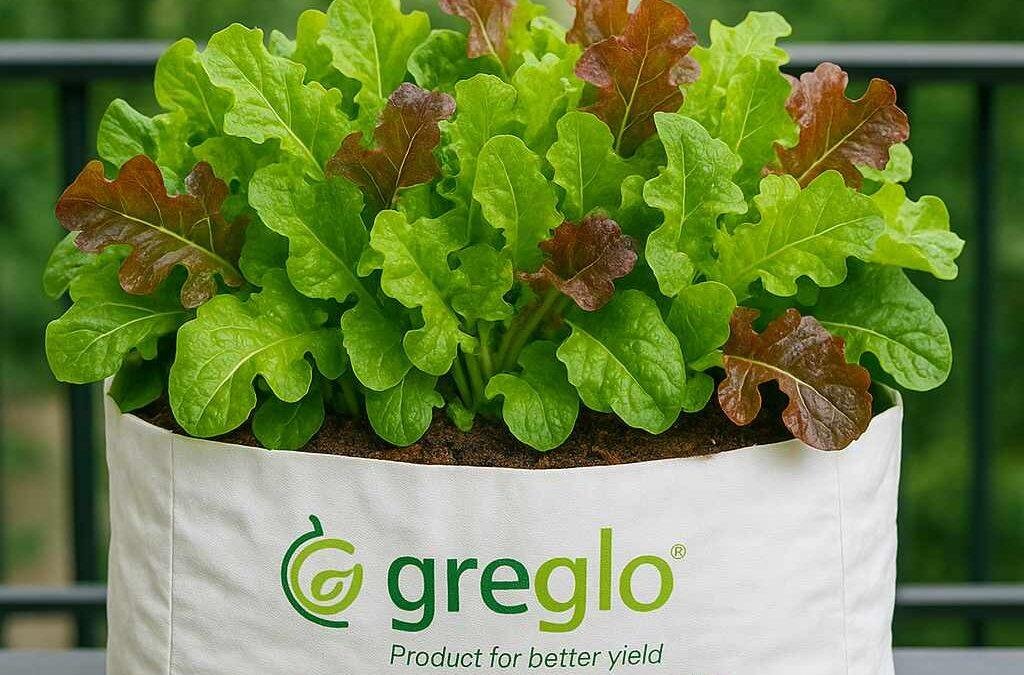
Gardening is no longer limited to large backyards or farmland. With modern solutions, even a small balcony or terrace can turn into a thriving green space. One of the most popular innovations in this space is grow bags, a flexible and efficient alternative to traditional pots. Whether you’re a beginner or someone looking to upgrade your gardening setup, understanding how these containers work can completely transform your planting experience.
In this guide by GREGLO, we’ll break down everything you need to know—from basics to practical tips—so you can start your gardening journey with confidence.
What Is Grow Bags and Why It Is Used in Modern Gardening Today
At its core, grow bags are soft-sided containers made from breathable materials such as fabric, jute, or recycled plastic. Unlike rigid pots, they allow air and water to pass through easily, creating a healthier environment for plant roots.
These containers are widely used in urban gardening because they are lightweight, portable, and adaptable to different spaces. From rooftops to balconies, they make it possible to grow vegetables, flowers, and even small trees without needing traditional soil beds. Their growing popularity comes from their ability to simplify gardening while improving plant health
How Grow Bags Work to Support Healthy Plant Root Development
The functionality of grow bags lies in their breathable structure. When plant roots reach the edges of the bag, they are exposed to air, which naturally prunes them. This process, known as air pruning, encourages the plant to develop a dense and fibrous root system.
Unlike plastic pots where roots may circle and become root-bound, these containers prevent overcrowding. The result is stronger plants that can absorb nutrients and water more efficiently. This natural root development is one of the main reasons gardeners are switching to this method.
Key Benefits of Grow Bags Compared to Traditional Pots Today
There are several advantages that make grow bags stand out compared to conventional containers. First, they offer excellent drainage, reducing the risk of overwatering—a common mistake among beginners.
Second, their portability allows you to move plants easily based on sunlight needs. Third, they are space-efficient, making them ideal for small living areas. Lastly, they are often eco-friendly, as many are made from reusable or biodegradable materials.
These benefits make them a practical and sustainable choice for modern gardening enthusiasts.
Different Types of Grow Bags Materials and Sizes Explained
Not all grow bags are the same. They come in a variety of materials, including fabric, HDPE, and biodegradable options. Fabric bags are the most popular because they provide excellent aeration and durability.
Sizes can range from small bags for herbs to large ones for vegetables like tomatoes or potatoes. Choosing the right size depends on the type of plant you want to grow. Larger plants require deeper and wider containers to support root expansion, while smaller plants thrive in compact options.
How to Choose the Right Grow Bags for Your Plants Easily
Selecting the right grow bags is essential for successful gardening. Start by considering the type of plant and its root depth. Leafy greens need shallow containers, while root vegetables require deeper ones.
Next, look at the material quality. Durable fabric bags are ideal for long-term use. Also, ensure the bag has strong stitching and proper drainage.
Finally, consider your available space and sunlight conditions. Choosing the right container ensures your plants get the best environment to grow and flourish.
Step by Step Guide to Using Grow Bags for Gardening Beginners
Getting started with grow bags is simple and beginner-friendly. First, place the bag in a location that receives adequate sunlight. Then, fill it with a high-quality potting mix, preferably enriched with organic matter like coco peat.
Next, plant your seeds or seedlings at the recommended depth. Water them gently and ensure excess water drains properly. Regularly monitor moisture levels and provide nutrients as needed.
With consistent care, you’ll start seeing healthy growth within a short time, making the process both rewarding and enjoyable.
Best Plants That Grow Well in Grow Bags at Home Gardens
A wide range of plants thrive in grow bags, making them highly versatile. Vegetables such as tomatoes, chilies, spinach, and brinjal perform exceptionally well. Herbs like mint, coriander, and basil also grow quickly in these containers.
Flowering plants, including marigolds and petunias, add beauty to your garden while benefiting from the breathable environment. Even root crops like potatoes and carrots can be cultivated successfully with the right bag size.
This flexibility allows gardeners to experiment with different plants and create a diverse garden setup.
Common Mistakes to Avoid When Using Grow Bags for Plants
While grow bags are easy to use, beginners often make a few mistakes. Overwatering is one of the most common issues, even though these containers have good drainage.
Another mistake is choosing the wrong size, which can restrict root growth. Using poor-quality soil can also affect plant health. Additionally, placing bags in areas with insufficient sunlight can limit growth.
Avoiding these errors will help you achieve better results and maintain a healthy garden.
Why GREGLO Grow Bags Are Ideal for Sustainable Gardening
When it comes to quality and reliability, GREGLO offers premium solutions designed for modern gardeners. Their products are crafted with durable materials that ensure longevity and consistent performance.
GREGLO focuses on sustainability by offering eco-friendly options that align with responsible gardening practices. Whether you are a beginner or an experienced grower, their range of products supports efficient and productive cultivation.
Choosing a trusted brand can make a significant difference in your gardening success.
Conclusion: Start Your Gardening Journey with Grow Bags Today
Gardening has become more accessible than ever, thanks to innovative solutions like grow bags. They provide flexibility, better root health, and ease of use, making them perfect for beginners.
With the right knowledge and tools, anyone can create a thriving garden, even in limited spaces. By choosing high-quality products from GREGLO, you can ensure a smooth and rewarding gardening experience.
Now is the perfect time to start growing your own plants and enjoy the benefits of a greener lifestyle.
Frequently Asked Questions (FAQs)
1. What is grow bags and how is it different from pots?
Grow bags are flexible, breathable containers that promote better root growth through air pruning, unlike traditional pots that can restrict roots.
2. Can beginners use grow bags for gardening easily?
Yes, they are beginner-friendly, easy to set up, and require minimal maintenance, making them ideal for new gardeners.
3. Which plants grow best in grow bags?
Vegetables, herbs, flowers, and even root crops like potatoes and carrots grow very well in these containers.