
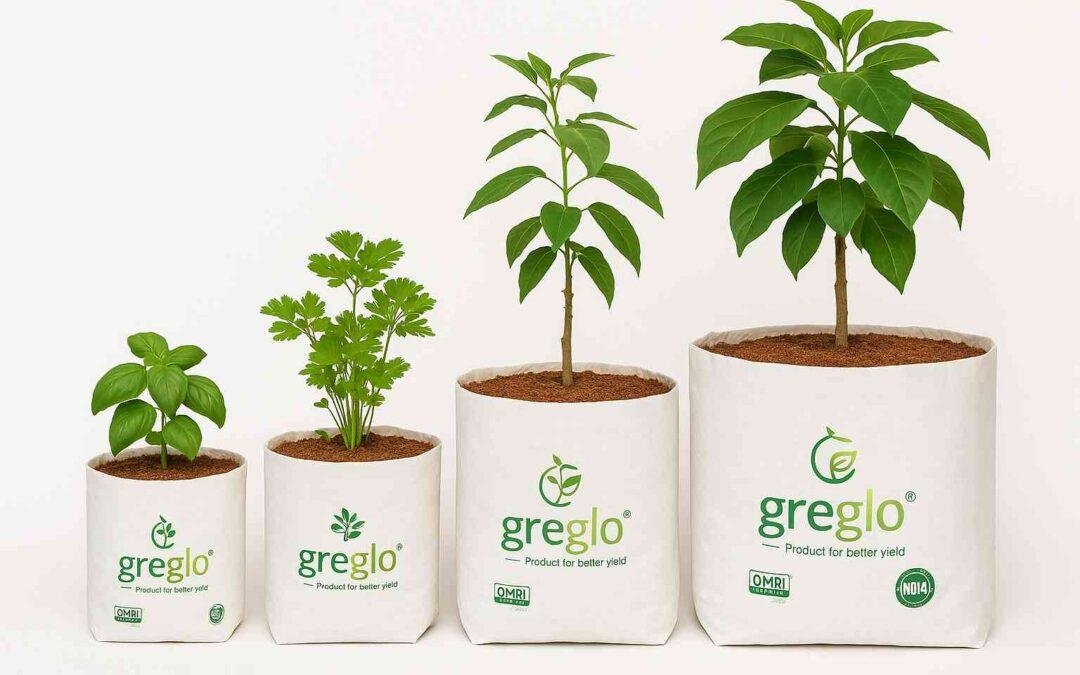
Gardening is no longer limited to backyards and large open spaces. Today, people are growing vegetables, herbs, and flowers on balconies, terraces, and even indoors. However, traditional pots often create challenges such as poor drainage, root binding, and difficulty in handling.
This is where plant grow bags are changing the game. Designed for modern gardening needs, grow bags offer flexibility, better plant health, and improved yields. Whether you are a beginner or an experienced gardener, switching to grow bags can significantly improve your gardening results.
In this guide, we’ll explore why plant grow bags are becoming the preferred choice and how you can use them effectively for maximum output.
The Problem with Traditional Pots
Traditional pots have been used for decades, but they come with several limitations that directly affect plant growth.
One of the biggest issues is root circling. When plants grow in hard containers, roots tend to wrap around the edges, limiting their ability to expand. This leads to weaker plants and reduced yields.
Another common problem is poor drainage. Excess water often gets trapped at the bottom of pots, causing root rot and fungal growth. This is especially problematic for beginners who may not have precise watering control.
Pots are also heavy and difficult to move, making them unsuitable for terrace or balcony gardening. Additionally, they can crack or break over time, increasing long-term costs.
These limitations have led gardeners to look for more efficient alternatives—enter plant grow bags.
What Makes Plant Grow Bags Different?
Unlike rigid pots, plant grow bags are made from breathable materials such as fabric or HDPE. This allows air to circulate around the roots, promoting a process called air pruning.
Air pruning prevents roots from circling and encourages the development of a strong, fibrous root system. This directly improves nutrient absorption and overall plant health.
Another major advantage is temperature control. Grow bags dissipate heat more effectively than plastic or ceramic pots, protecting roots from overheating in hot climates.
Their lightweight and flexible design also make them easy to move and store, making them ideal for urban gardening setups.
7 Reasons Grow Bags Are Taking Over Gardening
- Better root development due to air pruning
- Excellent drainage that prevents overwatering
- Lightweight and easy to move
- Ideal for small spaces like balconies and terraces
- Higher yield in vegetables and herbs
- Cost-effective compared to traditional pots
- Eco-friendly and reusable for multiple seasons
Which Plants Perform Best in Grow Bags?
One of the biggest advantages of using grow bags is their versatility. They can support a wide variety of plants, making them suitable for almost any type of gardener.
Vegetables like tomatoes, chillies, brinjal, and potatoes perform exceptionally well in grow bags due to better root aeration. Leafy greens such as spinach and lettuce also thrive because of consistent moisture control.
Herbs like mint, basil, and coriander are perfect for smaller grow bags, especially in balcony setups. Flowering plants can also benefit from improved drainage and root health.
For those interested in kitchen gardening, grow bags are an excellent choice for maximizing yield in limited space.
How to Get Maximum Yield Using Plant Grow Bags
To get the best results from plant grow bags, it’s important to focus on efficiency rather than just basic usage.
Choosing the right size is crucial. Larger plants like tomatoes require bigger grow bags, while herbs can thrive in smaller ones. Using the correct size ensures proper root expansion and better growth.
The growing medium plays a key role. A mix of cocopeat, compost, and soil provides the right balance of aeration, nutrients, and moisture retention. This combination supports faster plant development.
Proper placement is equally important. Most plants require at least 5–7 hours of sunlight, so positioning your grow bags in well-lit areas can significantly improve yield.
Watering should be controlled rather than excessive. Since grow bags offer excellent drainage, it’s important to maintain consistent moisture without overwatering.
Grow Bags vs Pots – Real Comparison
When comparing plant grow bags with traditional pots, the differences become clear.
Grow bags promote healthier root systems, which directly leads to better plant growth. Pots, on the other hand, restrict root expansion, affecting overall performance.
In terms of maintenance, grow bags require less effort due to their natural drainage system. Pots often need careful monitoring to prevent waterlogging.
From a cost perspective, grow bags are more affordable and reusable, making them a better long-term investment.
For modern gardeners, the choice is increasingly shifting toward grow bags due to their efficiency and practicality.
How to Choose the Right Plant Grow Bags
Selecting the right plant grow bags can make a significant difference in your gardening success.
- Choose size based on plant type (small for herbs, large for vegetables)
- Look for durable materials like HDPE or thick fabric
- Ensure proper stitching and strength for long-term use
- Prefer UV-treated grow bags for outdoor gardening
- Check for good drainage design
Common Grow Bag Mistakes That Reduce Yield
Even though grow bags are beginner-friendly, certain mistakes can reduce their effectiveness.
Using low-quality bags can lead to tearing and poor performance. It’s always better to invest in durable options.
Overcrowding plants is another common issue. Each plant needs enough space for proper growth, and overcrowding can limit nutrient availability.
Poor soil mix can also affect results. Without the right balance of nutrients and aeration, plants may not grow efficiently.
Ignoring sunlight requirements is another mistake. Even with the best grow bags, plants need sufficient light to thrive.
Avoiding these mistakes can help you get the most out of your gardening efforts.
Are Grow Bags Worth It?
The answer is simple—yes. Plant grow bags offer a combination of efficiency, affordability, and performance that traditional pots cannot match.
They improve plant health, increase yield, and reduce common gardening problems. Their reusable nature also makes them a cost-effective solution over time.
For both beginners and experienced gardeners, grow bags provide a practical and modern approach to gardening.
For brands like GREGLO, offering high-quality grow bags can meet the growing demand for sustainable and efficient gardening solutions.
Conclusion
Gardening is evolving, and so are the tools we use. Plant grow bags have emerged as a smarter alternative to traditional pots, offering better root health, improved drainage, and higher yields.
As more people adopt urban and space-efficient gardening methods, the demand for grow bags continues to grow. Their versatility, affordability, and sustainability make them an essential tool for modern gardeners.
If you’re looking to improve your gardening results, switching to grow bags could be the simplest and most effective decision you make.