
The success of any commercial cannabis cultivation project begins below the surface. While lighting, irrigation, nutrients, and environmental control all play essential roles, healthy roots remain the foundation of vigorous plant growth and consistent harvests. Strong root systems absorb water efficiently, utilize nutrients effectively, and help plants withstand environmental stress throughout every stage of cultivation.
Modern cannabis growers are increasingly moving away from traditional plastic containers in favor of fabric growing solutions that promote healthier root development. One of the biggest reasons behind this shift is the growing adoption of Grow Bags for Cannabis, which provide better aeration, improved drainage, and enhanced root pruning compared to conventional pots.
At GREGLO, we understand the importance of reliable growing solutions for commercial cultivation. Our premium grow bags are designed to support healthier root systems, improve growing efficiency, and help professional growers achieve consistent results across every cultivation cycle.
Healthy Roots Are the Key to Strong Cannabis Plants
Roots perform several vital functions that directly influence plant performance. They absorb moisture, transport nutrients, anchor the plant, and interact with beneficial microorganisms that contribute to overall plant health.
When roots develop freely in an ideal environment, plants grow faster, produce stronger stems, and develop dense foliage capable of supporting high-quality flowers.
Unfortunately, root problems often develop long before they become visible above the growing medium. Poor drainage, restricted airflow, excessive moisture, and root circling can limit plant growth and reduce final yields.
Why Modern Growers Prefer Fabric Growing Containers
Traditional plastic pots have served growers for many years, but commercial cultivation demands more efficient growing systems.
Plastic containers often trap excess moisture while restricting airflow around the root zone. Over time, roots begin circling the container walls instead of spreading naturally. This condition reduces nutrient uptake and limits overall plant development.
Fabric containers solve many of these challenges by allowing air to move through the sides of the container.
Professional growers appreciate how these containers maintain an excellent balance between water retention and drainage, reducing many of the problems commonly associated with rigid pots.
Better Oxygen Flow Creates Healthier Root Zones
Roots require oxygen just as much as they require water.
Many cultivation problems occur because growing media remain saturated for extended periods, reducing the oxygen available to plant roots.
Fabric grow bags improve oxygen availability by allowing air to circulate naturally around the container.
Improved Aeration Offers Several Important Benefits:
- Stronger root development
- Faster nutrient absorption
- Reduced root stress
- Improved microbial activity
- Better overall plant vigor
These conditions create an ideal environment for vigorous cannabis growth throughout the cultivation cycle.
Healthy oxygen levels also reduce the likelihood of anaerobic conditions that may contribute to root diseases in poorly drained containers.
Improved Drainage Prevents Common Root Problems
Excess moisture is one of the leading causes of poor root health.
When growing media remain waterlogged, roots struggle to function efficiently. Oxygen levels decrease while harmful pathogens become more active.
Using Grow Bags for Cannabis helps excess water drain naturally while retaining sufficient moisture for healthy plant growth.
This balanced moisture environment allows growers to maintain consistent irrigation schedules without creating conditions that encourage root rot or fungal diseases.
For commercial operations managing hundreds or thousands of plants, consistent drainage significantly improves crop uniformity and simplifies irrigation management.
Strong Root Systems Lead to Better Nutrient Uptake
Healthy roots absorb nutrients more efficiently than compact or damaged root systems.
As cannabis plants progress through vegetative growth and flowering, nutrient demand increases considerably.
A well-developed root network allows nutrients to be distributed evenly throughout the plant, supporting stronger branches, healthier foliage, and improved flower development.
Growers often notice more vigorous growth when roots have sufficient space, oxygen, and moisture balance to function efficiently.
Rather than compensating with additional fertilizers, optimizing root health often produces better results using existing nutrient programs.
At GREGLO, our premium grow bags are designed to create these ideal growing conditions by combining durability, breathability, and consistent performance for professional cultivation environments.
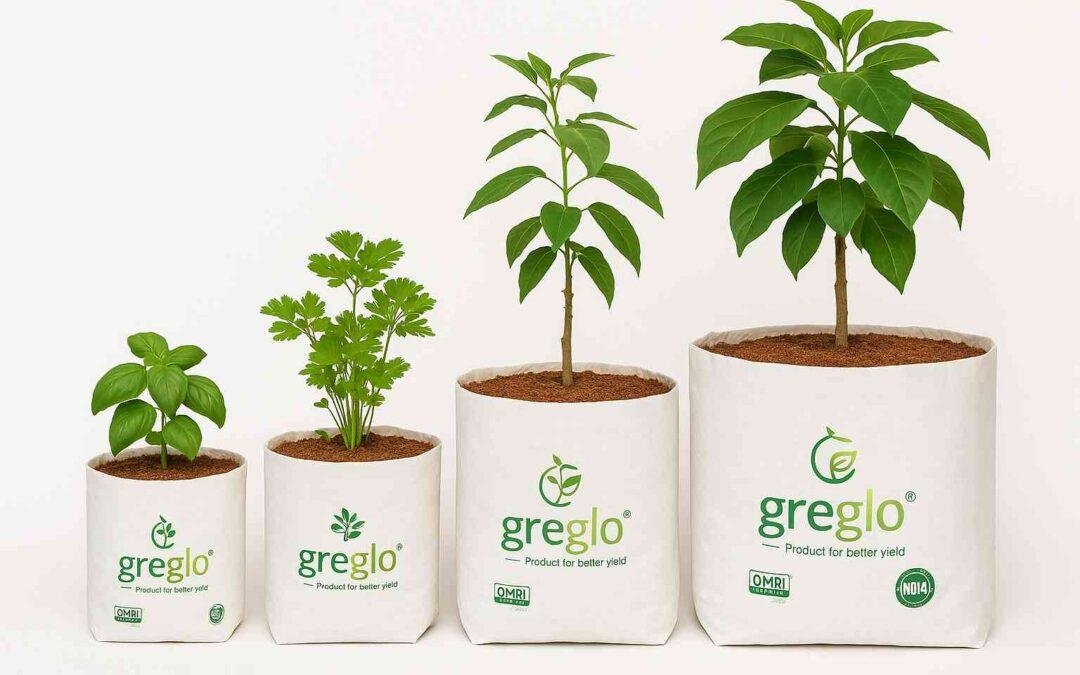
Choosing the Right Grow Bag Size for Every Growth Stage
Selecting the appropriate container size is just as important as choosing a high-quality growing medium. A grow bag that is too small can restrict root expansion, while an oversized container may retain more moisture than necessary during the early stages of growth.
Commercial cultivators typically choose container sizes based on plant genetics, cultivation methods, and production goals.
Factors to Consider Include:
- Expected plant size
- Vegetative growth duration
- Indoor or greenhouse cultivation
- Irrigation frequency
- Growing medium composition
- Root expansion requirements
Starting with the right container allows roots to establish quickly and supports healthy development throughout the cultivation cycle.
Professional growers often standardize container sizes across cultivation areas to simplify irrigation, nutrient management, and crop maintenance.
Better Water Management Improves Growing Efficiency
Efficient irrigation is one of the biggest challenges in modern cultivation.
Plants require a consistent balance of moisture and oxygen around their root systems. Overwatering limits oxygen availability, while underwatering slows plant growth and reduces nutrient uptake.
One reason experienced cultivators prefer Grow Bags for Cannabis is their ability to maintain this balance naturally.
Fabric construction encourages excess water to drain while retaining enough moisture for healthy root activity. This creates a more forgiving irrigation environment compared to rigid plastic containers.
As a result, growers can maintain healthier plants with more predictable irrigation schedules and improved growing consistency.
Supporting Indoor and Greenhouse Cultivation
Controlled environment agriculture continues to expand as growers seek greater control over temperature, humidity, lighting, and plant health.
Indoor cultivation and greenhouse production both require containers that perform consistently under intensive growing conditions.
Fabric grow bags complement these systems by promoting stable root-zone conditions throughout the growing season.
Their lightweight design also makes them easier to move, reposition, and organize within cultivation facilities.
Whether managing a compact indoor grow room or a large commercial greenhouse, growers benefit from containers that improve airflow while reducing excess moisture around the roots.
Quality Makes a Noticeable Difference
Not all fabric grow bags are manufactured to the same standards.
Lower-quality products may lose their shape, tear during handling, or provide inconsistent drainage after repeated use.
Professional growers should evaluate several important features before purchasing grow bags:
- Durable stitching
- Strong handles
- Breathable fabric
- Uniform thickness
- UV resistance
- Long service life
- Consistent manufacturing quality
High-quality construction ensures that containers continue supporting healthy root development throughout multiple growing cycles.
Investing in premium products often reduces replacement costs while improving overall cultivation reliability.
Frequently Asked Questions
1. Why are fabric grow bags better than plastic pots for cannabis?
Fabric grow bags allow air to circulate through the root zone, encouraging natural air pruning and preventing roots from circling inside the container. They also provide better drainage, reduce the risk of overwatering, and create a healthier environment for root development, leading to stronger and more productive plants.
2. What size grow bag is best for cannabis cultivation?
The ideal size depends on the plant variety, cultivation method, and growth cycle. Smaller bags are suitable for seedlings and short vegetative periods, while larger containers provide ample space for root expansion during longer growth cycles. Choosing the correct size helps maintain healthy root development and supports optimal plant performance.
3. Can grow bags be reused for multiple growing cycles?
Yes. Premium-quality fabric grow bags can be cleaned, disinfected, and reused across multiple cultivation cycles when properly maintained. Regular cleaning and inspection help preserve drainage, durability, and overall performance while reducing long-term cultivation costs.
Conclusion
Healthy roots are the foundation of successful cannabis cultivation, influencing everything from nutrient uptake and water efficiency to plant strength and harvest quality. By creating an ideal balance of aeration, drainage, and moisture retention, fabric grow bags help growers overcome many of the challenges associated with traditional containers.
As commercial cultivation continues to advance, investing in high-quality Grow Bags for Cannabis has become a practical way to improve crop consistency, enhance root health, and achieve higher yields. Whether used in indoor facilities, greenhouses, or large-scale cultivation projects, the right grow bags contribute to healthier plants and more efficient growing operations.
At GREGLO, we are committed to providing premium grow bags that meet the demands of modern cultivation. Manufactured with durability, breathability, and consistent performance in mind, our growing solutions help professional cultivators build stronger root systems, improve operational efficiency, and produce reliable, high-quality harvests season after season.