
Commercial farming has entered a new era where growers are expected to produce higher yields while using fewer natural resources. Climate uncertainty, water scarcity, and increasing demand for premium-quality crops have encouraged farmers to adopt smarter growing methods. Among the many innovations shaping this transformation, coco coir-based growing media has become one of the most reliable choices for professional horticulture and hydroponic production.
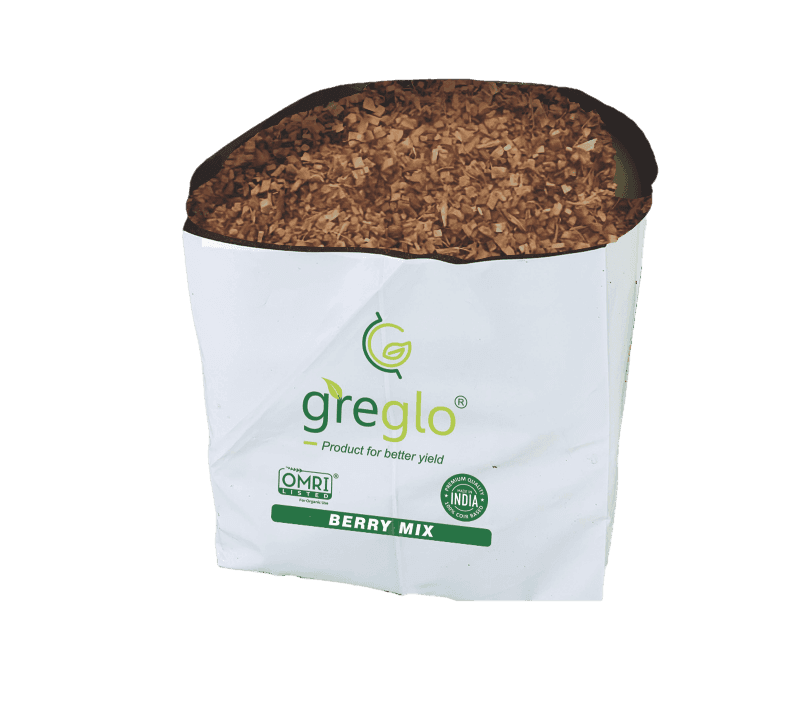
As farming techniques evolve, growers are no longer looking only for growing media they are investing in complete cultivation systems that improve consistency, efficiency, and sustainability. Coir Bags have become an important part of this transition because they provide a stable root environment while supporting better irrigation and nutrient management.
At GREGLO, continuous product innovation and strict quality standards help commercial growers receive reliable coco coir solutions that meet international agricultural requirements. Looking ahead, the future of modern farming will depend on technologies and materials that improve productivity without compromising environmental responsibility.
Sustainable Growing Solutions Are Becoming the Industry Standard
Agriculture is steadily moving away from resource-intensive cultivation practices. Governments, retailers, and consumers increasingly expect food production to reduce environmental impact while maintaining excellent crop quality.
Natural growing substrates are replacing conventional materials because they support renewable farming practices and reduce waste generation. This shift is particularly noticeable in greenhouse cultivation, hydroponic farming, and export-oriented horticulture.
Growers Today Evaluate Substrates Based on Multiple Performance Factors, Including:
- Water retention efficiency
- Root aeration
- Drainage consistency
- Disease management
- Ease of transportation
- Environmental sustainability
These requirements have made Coir Bags one of the preferred growing systems for professional operations seeking long-term productivity.
Advanced Manufacturing Will Improve Product Consistency
One of the biggest trends shaping the industry is the increasing demand for standardized growing media.
Commercial farms operate on tight production schedules, making consistency essential. Modern manufacturing facilities now use automated screening, controlled washing processes, and strict quality testing to ensure every production batch delivers similar performance.
Future Production Methods Will Focus On:
- Uniform fiber distribution
- Stable EC levels
- Balanced moisture content
- Improved buffering
- Better compression technology
- Enhanced packaging durability
Manufacturers that invest in quality control will become preferred partners for international growers who require predictable growing conditions across multiple cultivation cycles.
Precision Irrigation Will Drive Better Crop Performance
Modern agriculture increasingly relies on data rather than assumptions.
Greenhouses are rapidly adopting automated irrigation systems equipped with moisture sensors, fertigation controls, and climate monitoring technologies. Growing substrates must perform consistently under these precision systems.
The future of Coir Bags will include designs that work seamlessly with automated irrigation by maintaining an ideal balance between water retention and oxygen availability.
This Combination Allows Growers To:
- Reduce irrigation waste
- Improve nutrient absorption
- Lower fertilizer losses
- Maintain stable root-zone moisture
- Increase overall crop uniformity
Precision irrigation is expected to become the industry standard rather than an optional upgrade.
Hydroponic Farming Will Continue Expanding Worldwide
Hydroponics has moved beyond niche farming and is becoming an important contributor to commercial food production.
Countries facing limited agricultural land and water shortages are rapidly investing in protected cultivation systems. Vegetables, herbs, berries, and specialty crops are increasingly produced inside climate-controlled facilities.
Reliable growing substrates play a crucial role in these environments because every irrigation cycle directly influences crop performance.
Professional Growers Prefer Media That Delivers:
- Excellent drainage
- Stable moisture retention
- Strong root support
- Easy handling
- Consistent crop growth
As hydroponic operations become larger and more technologically advanced, substrate quality will become even more important.
Smart Greenhouses Will Increase Demand for Premium Growing Media
The greenhouse industry is becoming increasingly automated.
Artificial intelligence, climate sensors, automated fertigation systems, and remote monitoring platforms now help growers optimize every stage of production.
Growing media must support these technologies rather than create variability.
Premium substrates are expected to deliver predictable physical properties throughout the growing season.
Future Commercial Production Will Prioritize:
- Uniform root development
- Stable moisture distribution
- Reduced disease risks
- Improved crop consistency
- Higher operational efficiency
This trend encourages manufacturers to continually improve substrate engineering rather than simply increasing production volume.
Export Markets Will Expect Higher Quality Standards
Global agricultural trade continues to grow each year.
International buyers now assess suppliers based on product quality, manufacturing transparency, and sustainability certifications rather than price alone.
Professional Exporters Must Demonstrate:
- Reliable production capacity
- Batch traceability
- Low contamination risk
- Quality assurance systems
- Consistent product specifications
Companies investing in advanced processing technologies will be better positioned to serve demanding international horticultural markets.
For growers supplying supermarkets and export chains, dependable substrate quality directly influences crop consistency and customer satisfaction.
Innovation Will Focus on Root Health and Plant Productivity
Healthy roots remain the foundation of successful crop production.
Future research is expected to improve substrate structures that optimize oxygen availability while maintaining sufficient moisture around developing roots.
Better Root Environments Contribute To:
- Faster establishment
- Improved nutrient uptake
- Stronger plant vigor
- Better flowering
- Increased fruit quality
- Higher harvest consistency
Manufacturers are continuously studying fiber composition and particle distribution to develop products that maximize these benefits for commercial growers.
Digital Farming Will Influence Substrate Development
Agriculture is becoming increasingly connected through digital technologies.
Modern farms use software platforms to monitor irrigation, fertilizer application, weather conditions, labor efficiency, and crop performance.
Growing substrates are expected to integrate smoothly with these digital management systems.
Future product development will focus on predictable physical performance that allows growers to make accurate irrigation decisions based on real-time data.
This data-driven approach reduces guesswork while improving production efficiency across entire farming operations.
Sustainability Will Become a Competitive Advantage
Environmental responsibility is no longer simply a marketing message.
Retailers, food processors, and consumers increasingly prefer products produced using sustainable agricultural practices.
Renewable growing substrates help reduce dependence on non-renewable materials while supporting environmentally responsible farming systems.
Future Purchasing Decisions Will Increasingly Consider:
- Renewable raw materials
- Responsible manufacturing
- Efficient water use
- Reduced production waste
- Lower environmental impact
Companies that invest in sustainable production methods are likely to gain stronger market recognition in the years ahead.
Why Choosing the Right Manufacturing Partner Matters
Even the best cultivation practices depend on reliable growing media.
Professional growers need suppliers capable of delivering consistent quality throughout every shipment.
When Selecting a Manufacturer, Buyers Should Evaluate:
- Production expertise
- Modern manufacturing facilities
- Quality testing procedures
- Export experience
- Product customization
- Technical support
- Reliable logistics
- Long-term supply capability
GREGLO combines advanced manufacturing practices with extensive industry experience to produce premium coco coir products that support commercial horticulture and hydroponic farming worldwide. By maintaining strict quality standards and continuously improving production processes, the company helps growers build dependable cultivation systems for long-term success.
Frequently Asked Questions
⬇
1. Why are coir growing systems becoming more popular in commercial horticulture?
They provide excellent water retention, root aeration, drainage, and sustainability while supporting consistent crop production in greenhouse and hydroponic environments.
2. Are coir-based growing substrates suitable for hydroponic farming?
Yes. They are widely used in hydroponic systems because they maintain an ideal balance of moisture and oxygen, helping plants develop healthy root systems while supporting efficient nutrient delivery.
3. What should commercial growers consider when selecting a coir product supplier?
Growers should evaluate manufacturing quality, export capability, production consistency, quality certifications, customization options, and reliable logistics before choosing a long-term supplier.
Conclusion
The future of commercial horticulture and hydroponics will be shaped by innovation, sustainability, automation, and precision farming. As growers adopt smarter cultivation methods, reliable growing substrates will play an even greater role in achieving consistent yields and efficient resource management. Manufacturers that focus on quality, research, and responsible production will lead the industry in the years ahead. With its commitment to premium manufacturing standards and customer-focused solutions, GREGLO continues to support growers worldwide with products designed for the evolving demands of modern agriculture.