
If you're interested in gardening, farming, or sustainable agriculture, you've likely heard the term coir pith. It has become one of the most popular growing media for home gardeners, nurseries, commercial farms, and greenhouse growers. But many people still ask a simple question: What is the coir pith meaning?
Coir pith is more than just a by-product of the coconut industry. It is an environmentally friendly material that improves plant growth, conserves water, and supports sustainable farming practices. Because it is biodegradable and renewable, it has become an excellent alternative to traditional growing media such as peat moss.
In this guide, you'll learn the coir pith meaning, how it is produced, its major benefits, common applications, and why it has become a preferred choice for growers across India and around the world.
What Is the Coir Pith Meaning?
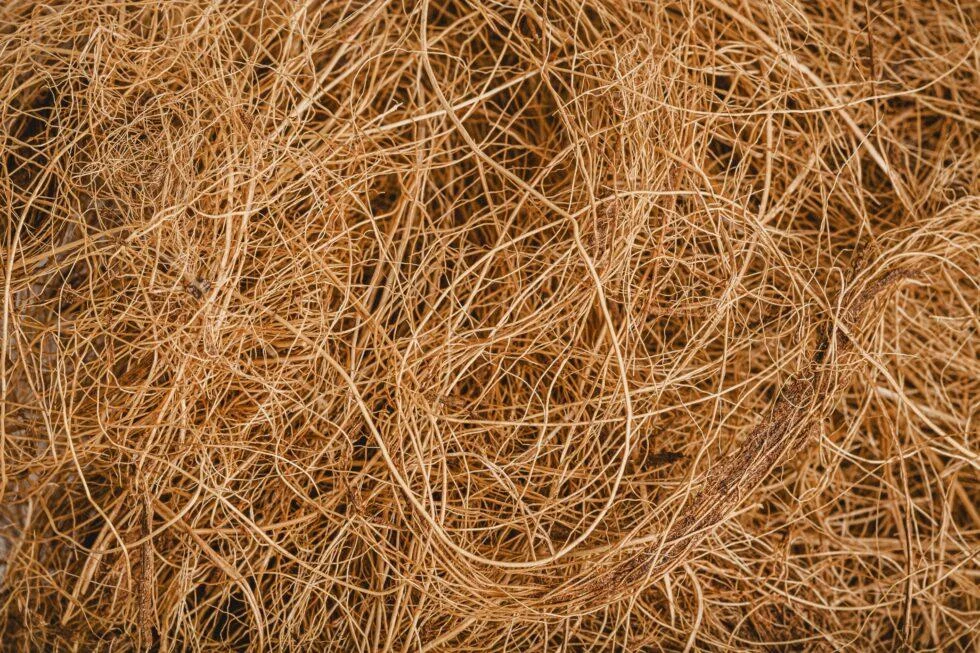
The coir pith meaning refers to the soft, sponge-like material left behind after fibres are extracted from coconut husks. During the manufacturing of coconut fibre products such as ropes, mats, brushes, and geotextiles, fine particles remain. These particles are processed into what is known as coir pith, also commonly called cocopeat or coconut peat.
Years ago, this material was often treated as agricultural waste. Today, thanks to better processing techniques and increasing demand for sustainable products, coir pith has become a valuable growing medium used worldwide.
Its ability to retain moisture while allowing roots to breathe makes it suitable for a wide variety of crops and ornamental plants.
How Is Coir Pith Produced?
Understanding how coir pith is made helps explain why it performs so well in gardening and agriculture.
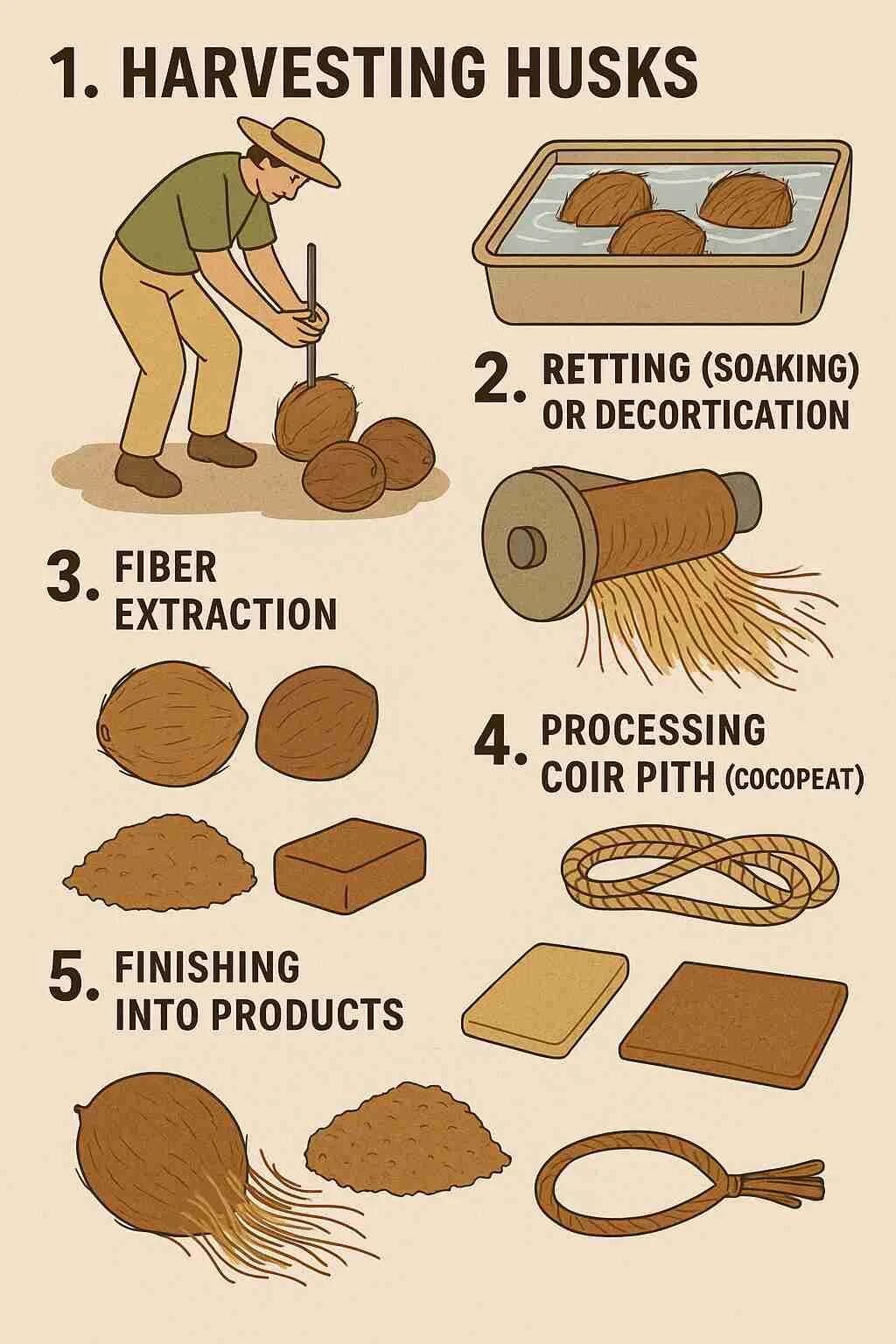
The production process begins with mature coconuts. Once the coconuts are harvested, the husks are separated from the shells. The husks then undergo fibre extraction, where long coir fibres are removed for industrial use.
The remaining fine particles are collected, cleaned, dried, and sieved to remove impurities. Depending on the intended use, the coir pith may also be washed and buffered to reduce natural salts. Finally, it is compressed into blocks, briquettes, grow bags, or discs for easier storage and transportation.
This process transforms what was once considered waste into a valuable and eco-friendly product.
Why Has Coir Pith Become So Popular?
One reason gardeners and farmers prefer coir pith is its unique combination of water retention and aeration. Many growing media either hold too much water or drain too quickly. Coir pith provides a healthy balance between the two.
Some of its key advantages include:
- Excellent moisture retention
- Improved airflow around plant roots
- Lightweight and easy to transport
- Environmentally friendly and biodegradable
- Renewable resource
- Long-lasting growing medium
- Easy to mix with soil or compost
These characteristics make it suitable for beginners as well as commercial growers.
Benefits of Using Coir Pith
Excellent Water Retention
One of the biggest advantages of coir pith is its ability to absorb and retain several times its own weight in water. Plants can access moisture over a longer period, reducing the need for frequent watering.
This makes coir pith particularly useful in regions that experience hot summers or irregular rainfall.
Better Root Development
Healthy roots require oxygen as well as moisture. Coir pith provides excellent pore space, allowing air to circulate around the roots. Better aeration promotes stronger root systems and healthier plants.
Sustainable and Eco-Friendly
Unlike peat moss, which is harvested from natural peatlands that take centuries to regenerate, coir pith comes from coconut husks—a renewable agricultural by-product. Using coir pith helps reduce waste while supporting more sustainable farming practices.
Easy to Handle
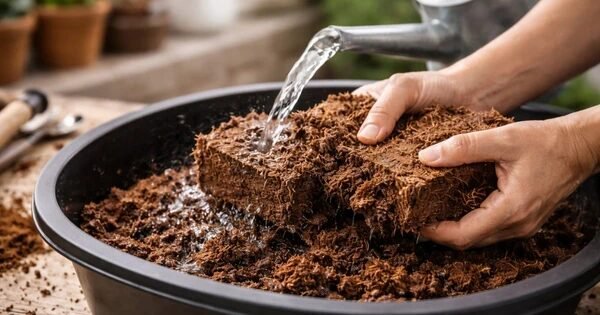
Compressed coir pith blocks are lightweight and compact, making them easy to transport and store. When water is added, they expand into a loose, fluffy growing medium that is simple to use in pots, raised beds, seed trays, and gardens.
Common Uses of Coir Pith
Coir pith is extremely versatile and can be used in many different applications.
Home Gardening
Many home gardeners mix coir pith with compost and garden soil to improve moisture retention and create a healthier growing environment.
It is suitable for:
- Flowering plants
- Vegetables
- Indoor plants
- Herbs
- Fruit plants
Nursery Production
Plant nurseries use coir pith for seed germination and young plants because it provides consistent moisture while encouraging strong root growth.
Greenhouse Farming
Commercial greenhouse operators often choose coir pith because it offers a clean and reliable growing medium. Its uniform texture allows growers to maintain consistent growing conditions throughout the year.

Coir Pith in Modern Agriculture
Modern agriculture focuses on improving productivity while reducing environmental impact. Coir pith supports these goals by enhancing soil quality, reducing water usage, and improving root health.
Farmers frequently combine coir pith with compost, vermicompost, or organic fertilizers to create a balanced growing medium for vegetables, fruits, spices, and ornamental plants.
It is also widely used in hydroponic systems and protected cultivation because it offers reliable performance and easy handling.
Coir Pith vs. Cocopeat: Are They the Same?
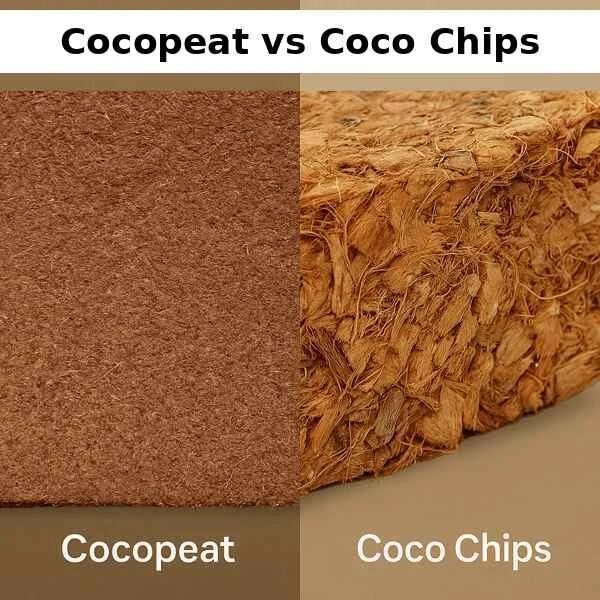
Many people use the terms coir pith and cocopeat interchangeably, and in most cases, they refer to the same material. Both are derived from coconut husks after the fibres have been extracted. However, the name "cocopeat" is more commonly used in the gardening and horticulture industry, while "coir pith" is often used in manufacturing and export sectors.
Regardless of the name, the product offers the same core benefits, including excellent moisture retention, improved aeration, and a sustainable alternative to conventional growing media.
If you're shopping for gardening products, don't be confused by the different names. Always check the product specifications, such as moisture retention, electrical conductivity (EC), pH level, and whether the material has been washed or buffered.
Coir Pith vs. Peat Moss
Coir pith is frequently compared with peat moss because both are widely used as growing media. While they share some similarities, there are important differences.
|
Feature. |
Coir Pith |
Peat Moss |
|
Source |
Coconut husk |
Peat bogs |
|
Renewable |
Yes |
No |
|
Water Retention |
Excellent |
Excellent |
|
Aeration |
Very Good |
Good |
|
Eco-Friendly |
High |
Lower |
|
Reusability. |
Can often be reused |
Limited |
Peat moss is harvested from natural peatlands, which take hundreds of years to regenerate. Coir pith, on the other hand, is produced from coconut processing waste, making it a renewable and environmentally responsible choice.
For gardeners looking to reduce their environmental impact, coir pith is often the preferred option.
How to Use Coir Pith
One of the biggest advantages of coir pith is its ease of use. Compressed blocks expand significantly when soaked in water, producing a soft and fluffy growing medium.
Here are some common ways to use it:
Seed Germination
Young seedlings require consistent moisture to develop healthy roots. Coir pith provides an ideal environment because it stays moist without becoming waterlogged.
Potting Mix
Many gardeners mix coir pith with compost, garden soil, and organic fertilizers to create a balanced potting mix.
A simple mix could include:
- 40% coir pith
- 40% compost
- 20% garden soil
This combination improves drainage while supplying nutrients through the compost.
Raised Garden Beds
Raised beds can dry out quickly during hot weather. Adding coir pith helps retain moisture and reduces the frequency of watering.
Hydroponic Systems
Hydroponic growers often use coir pith because it provides excellent root support while allowing nutrient-rich water to circulate effectively.
Common Mistakes to Avoid
Although coir pith is easy to work with, a few mistakes can reduce its effectiveness.
Using Poor-Quality Products
Low-quality coir pith may contain excess salts or impurities that can affect plant growth. Always purchase products from trusted manufacturers.
Overwatering
Because coir pith retains water so well, beginners sometimes continue watering as if they were using ordinary soil. Always check the moisture level before watering again.
Ignoring Nutrient Requirements
Coir pith contains very few nutrients on its own. It should be combined with compost or supplemented with appropriate fertilizers to support healthy plant growth.
Not Expanding Blocks Properly
Compressed blocks need sufficient water and time to expand fully. Breaking them apart too early may leave dry sections that don't absorb moisture evenly.
How to Choose High-Quality Coir Pith
Not all coir pith products offer the same performance. Before purchasing, consider these important factors:
- Washed to reduce salt content
- Buffered for sensitive crops
- Uniform texture
- Good water absorption
- Low dust content
- Free from stones and other impurities
- Proper packaging for storage
High-quality coir pith provides better consistency and delivers more reliable results for both home gardeners and commercial growers.
Frequently Asked Questions
Is coir pith suitable for all plants?
Coir pith works well for most vegetables, flowers, herbs, fruit plants, and ornamental plants. However, it should usually be combined with nutrients because it is not a fertilizer.
Is coir pith suitable for all plants?
For some hydroponic and greenhouse applications, yes. For general gardening, many growers prefer mixing it with compost and soil for better nutrition.
How long does coir pith last?
Depending on usage, coir pith can last for several growing seasons if maintained properly and refreshed when needed.
Is coir pith environmentally friendly?
Yes. It is made from coconut husks, which are a renewable agricultural by-product. Using coir pith also helps reduce waste from coconut processing.
Where can I learn more about coir pith?
If you'd like a more detailed explanation of coir pith meaning, its production process, and practical applications, you can read Greglo's comprehensive guide here:
Conclusion
Understanding the coir pith meaning is valuable for anyone interested in gardening, horticulture, or sustainable agriculture. What was once considered a by-product of coconut processing has become one of the most trusted growing media in modern cultivation.
Its ability to retain moisture, improve root aeration, and support environmentally friendly gardening makes it an excellent choice for home gardeners, commercial growers, and agricultural professionals alike.
Whether you're starting a kitchen garden, managing a nursery, or operating a greenhouse, incorporating high-quality coir pith into your growing practices can help create healthier plants while contributing to more sustainable farming methods.
As interest in eco-friendly gardening continues to grow, coir pith is likely to remain an essential component of modern horticulture. By choosing quality products and using them correctly, growers can enjoy better plant performance while making responsible use of renewable natural resources.