
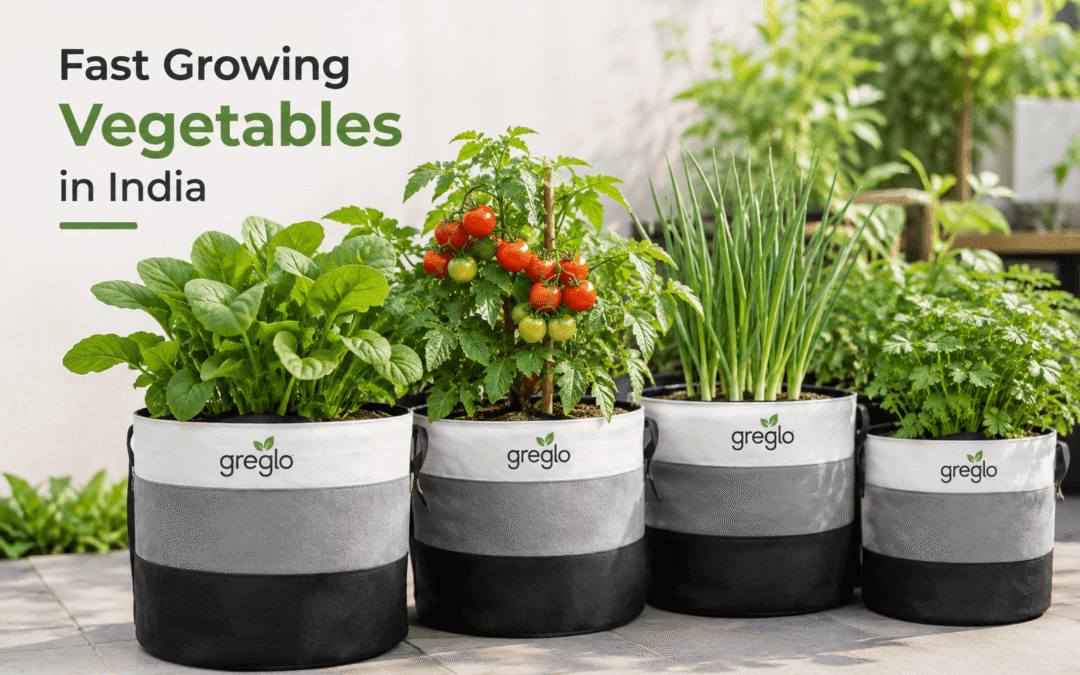
If you want to start a home vegetable garden but do not want to wait months for your first harvest, fast growing vegetables in India are a good place to begin. Several leafy greens, herbs, and root vegetables can produce harvests relatively quickly when they receive suitable sunlight, water, nutrition, and growing space.
You do not need a large backyard to get started. A balcony, terrace, patio, or small outdoor area can be enough. Grow bags, pots, and cocopeat-based growing media can make container gardening easier, particularly where garden soil is unavailable.
However, the actual harvest time depends on the vegetable variety, season, temperature, sunlight, growing medium, and care. The day ranges below are therefore approximate rather than guaranteed.
What Do You Need to Start a Fast-Growing Vegetable Garden?
Before planting, prepare the basic materials. You do not need expensive equipment or a complicated setup.
1. Grow Bags or Containers
Grow bags for vegetables are useful for terrace, balcony, and small-space gardening.
Choose the size according to the crop:
-
- Leafy greens: Shallow to medium grow bags or trays
- Radish: Medium-depth containers or grow bags
- Beans: Medium to large grow bags
- Tomatoes: Larger grow bags with enough root space
- Okra: Medium to large containers
- Cucumber: Large grow bags with climbing support
Always choose containers with adequate drainage holes.
2. Cocopeat or Coco Coir
Cocopeat, also known as coco coir, is a useful component of a container growing medium because it helps retain moisture while keeping the medium relatively light.
Rather than using cocopeat alone, combine it with suitable compost and other components to create a balanced growing medium.
A simple starting mix can be:
Cocopeat + compost + suitable soil or another structural component
The exact ratio can be adjusted according to the crop, climate, and materials available.
3. Vegetable Seeds
Choose fresh seeds from a reliable source and select varieties that suit your local climate.
For beginners, leafy vegetables and quick crops are generally easier to manage than large fruiting plants.
4. Watering Can or Hose
Use a watering can with a gentle flow or a suitable hose attachment. Strong water pressure can disturb seeds and wash away the growing medium.
5. Basic Gardening Tools
A small hand trowel, pruning scissors, gloves, and a simple support or trellis can be useful depending on the crops you grow.
Fast Growing Vegetables in India
The following crops can be considered when you want relatively quick harvests from a home garden.
|
Vegetable |
Approx. First Harvest* |
Suitable Space |
Difficulty |
|
Methi |
20–30 days |
Trays, pots, grow bags |
Easy |
|
Radish |
25–45 days |
Pots, grow bags |
Easy |
|
Spinach |
25–40 days |
Pots, grow bags |
Easy |
|
Amaranth |
20–35 days |
Pots, trays, grow bags |
Easy |
|
Coriander |
30–45 days |
Pots, containers |
Easy |
|
Green onions |
20–40 days |
Pots, containers |
Easy |
|
Beans |
45–60 days |
Grow bags |
Moderate |
|
Cucumber |
45–60+ days |
Large grow bags |
Moderate |
|
Okra |
50–65+ days |
Large pots, grow bags |
Moderate |
*Harvest time varies with variety, season, temperature, sunlight, and growing conditions.
1. Methi
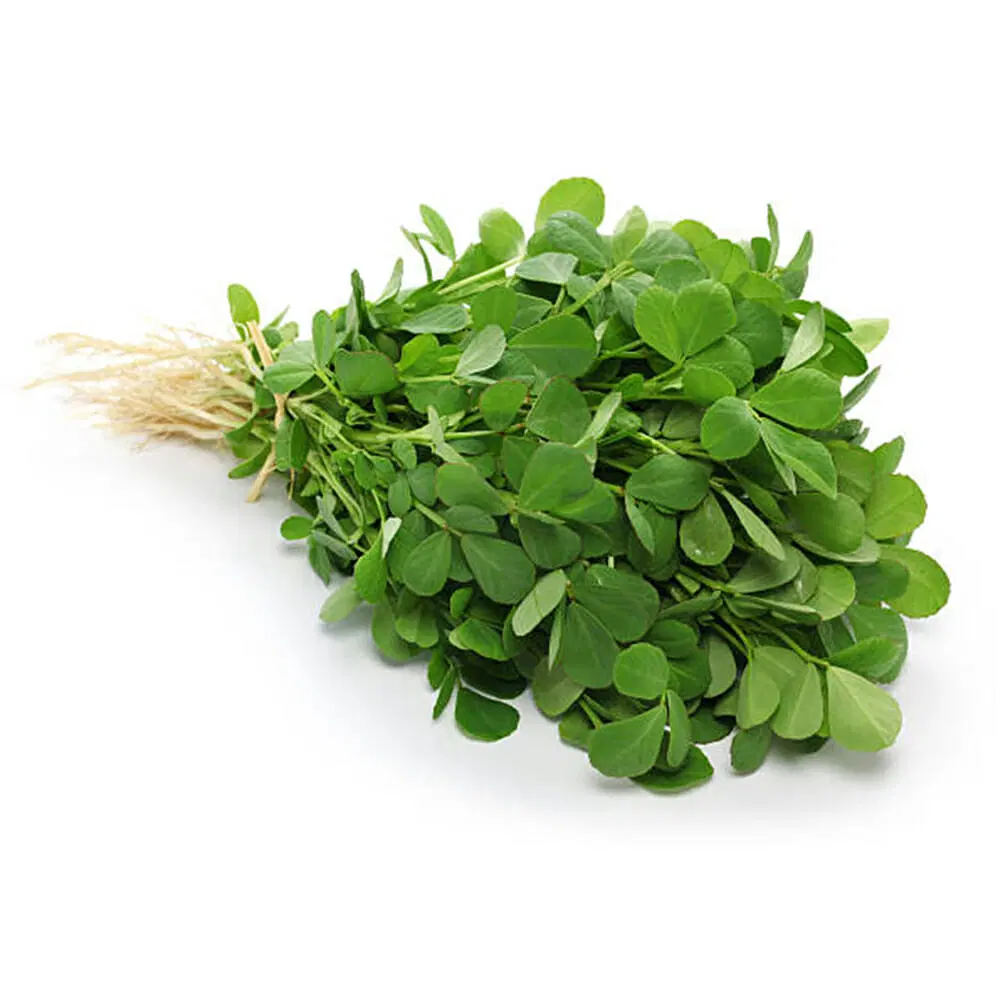
Methi is one of the easiest crops to start when you want a relatively quick harvest.
It can be grown in shallow containers because you are primarily harvesting the leaves rather than developing a large root system.
How to Grow Methi
- Fill a tray or shallow grow bag with a suitable growing medium.
- Scatter the seeds evenly.
- Cover them lightly with the growing medium.
- Water gently.
- Place the container where it receives suitable sunlight.
- Keep the medium consistently moist during germination.
Young methi leaves can often be harvested within a few weeks under suitable conditions.
Trimming and Harvesting
Instead of pulling out every plant, you can cut the leaves above the growing point, depending on your preferred harvest method.
Avoid removing too much foliage at once. Regular harvesting can encourage continued growth when conditions are suitable.
2. Radish
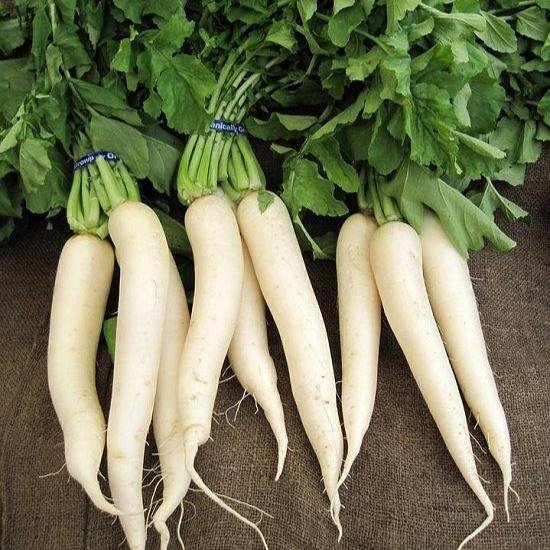
Radish is a useful choice if you want a relatively quick root vegetable.
The most important consideration is container depth. The root needs enough space to develop properly.
How to Grow Methi
- Fill a tray or shallow grow bag with a suitable growing medium.
- Scatter the seeds evenly.
- Cover them lightly with the growing medium.
- Water gently.
- Place the container where it receives suitable sunlight.
- Keep the medium consistently moist during germination.
Young methi leaves can often be harvested within a few weeks under suitable conditions.
Trimming and Harvesting
Instead of pulling out every plant, you can cut the leaves above the growing point, depending on your preferred harvest method.
Avoid removing too much foliage at once. Regular harvesting can encourage continued growth when conditions are suitable.
3. Spinach
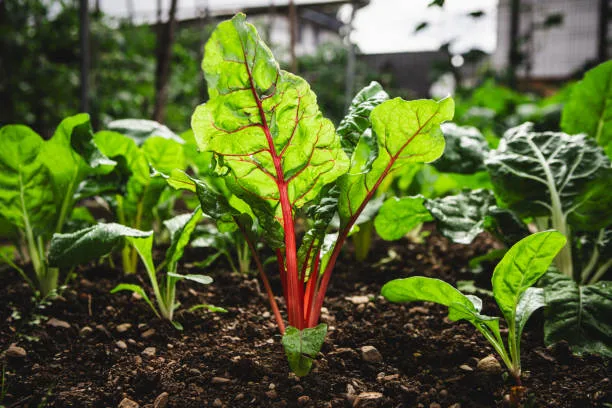
Spinach is a practical option for balconies, terraces, and small home gardens.
It does not require a large container and can provide repeated leaf harvests when managed correctly.
How to Grow Spinach
- Fill a container with a well-draining growing medium.
- Sow the seeds at the recommended depth.
- Water gently.
- Place the container in suitable sunlight.
- Keep the medium consistently moist.
- Thin crowded seedlings if necessary.
Young leaves may be harvested after several weeks, depending on the variety and growing conditions.
Trimming Spinach
Use clean scissors to harvest the larger outer leaves while allowing younger leaves to continue developing.
Avoid cutting the entire plant when you want continued production.
4. Amaranth
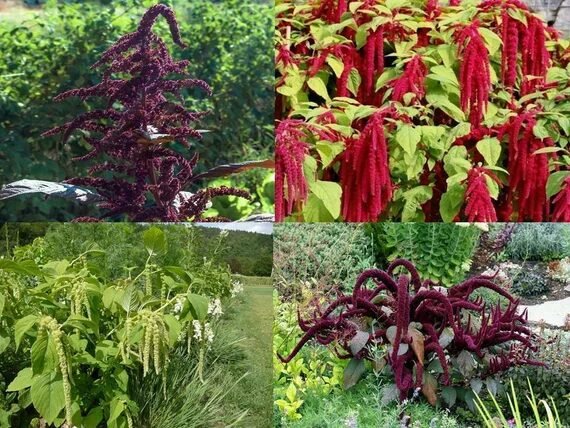
Amaranth is another leafy crop that can be suitable for Indian home gardens.
It can be grown in containers or grow bags and is particularly useful when you want a crop that can provide leafy harvests without requiring a large growing area.
Basic Care
-
- Use a fertile, well-draining growing medium.
- Provide adequate sunlight.
- Water when the growing medium begins to dry.
- Avoid prolonged waterlogging.
- Thin plants if they are growing too closely together.
Harvest young leaves regularly rather than allowing plants to become excessively mature if you prefer tender greens.
5. Coriander
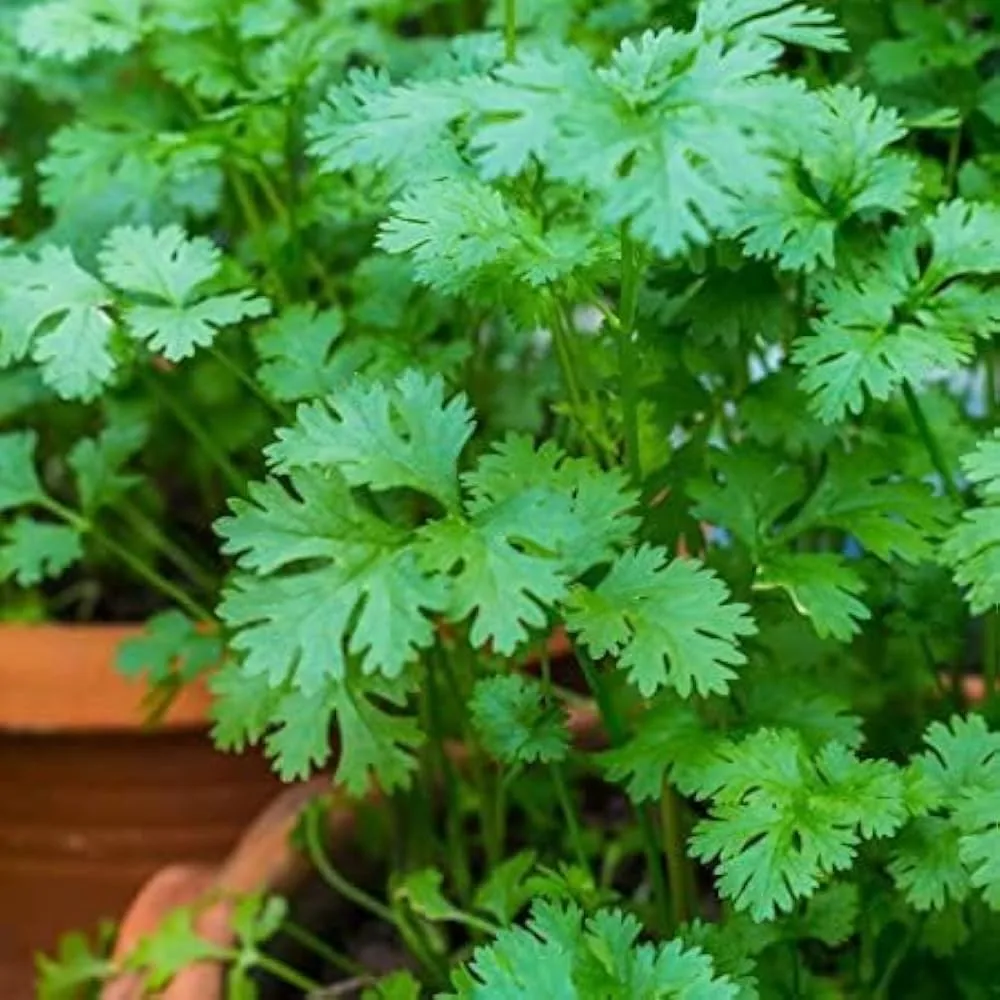
Coriander is a useful addition to a kitchen garden in India because it can be grown in relatively small containers.
For a continuous supply, do not sow all your seeds at the same time. Instead, sow smaller batches at intervals.
Simple Method
Sow → Water gently → Provide sunlight → Maintain moisture → Harvest gradually
When harvesting, cut the stems above the base rather than disturbing the entire root system if you want the remaining plants to continue growing.
How Often Should You Water Fast-Growing Vegetables?
This is one of the most common questions beginners ask.
There is no fixed rule such as watering every day or every two days. The correct frequency depends on the crop, weather, container size, growing medium, sunlight, and drainage.
Instead of following a strict calendar, check the growing medium.
Before Watering, Check:
-
- Is the surface becoming dry?
- Does the container feel unusually light?
- Is the plant beginning to wilt?
- Has the weather been particularly hot?
- Did the container receive heavy rain recently?
If the growing medium is already wet, watering again can create excessive moisture around the roots.
🌞 During Hot Weather
In India's hotter months, containers can dry faster because of high temperatures and strong sunlight. You may need to check them more frequently.
🌧 During Monsoon
Do not automatically increase watering during the monsoon.
Rain may already provide enough moisture, and containers with poor drainage can become waterlogged.
The goal is not to water on a fixed schedule. The goal is to maintain appropriate moisture without keeping the roots constantly saturated.
How to Use Cocopeat for Fast-Growing Vegetables
Cocopeat is useful for container gardening because it is lightweight and retains moisture. However, plain cocopeat should not be used as the complete growing medium for vegetables.
Simple Growing Medium
Cocopeat + Compost + Soil or other suitable material
Before use:
- Hydrate and loosen the cocopeat.
- Mix it with compost and other materials.
- Fill the grow bag without compacting it.
- Moisten the medium before sowing.
The final mix should retain moisture while allowing excess water to drain.
How Much Sunlight Do Fast-Growing Vegetables Need?
Sunlight requirements vary by crop.
1. Leafy Vegetables
Methi, spinach, and amaranth can generally be grown with several hours of suitable light.
2. Root Vegetables
Radish benefits from adequate sunlight and enough container depth for root development.
3. Fruiting Vegetables
Tomatoes, chillies, cucumber, beans, and okra generally need more sunlight than leafy greens.
If your balcony receives only a few hours of direct sunlight, start with crops that are more tolerant of lower light conditions rather than choosing crops that require strong, prolonged sunlight.
A Simple Weekly Care Routine
You do not need to spend hours every day maintaining a small vegetable garden.
Daily: 2–5 Minutes
Check:
- Soil or growing-medium moisture
- Wilting
- Pest activity
- Broken stems
- Extreme heat exposure
Every Few Days
Check:
- New growth
- Leaf colour
- Drainage
- Weed growth
- Container moisture
Weekly
Look for:
- Pest damage
- Yellowing leaves
- Overcrowding
- Root or drainage problems
- Need for plant support
- Harvest-ready leaves or vegetables
Common Mistakes When Growing Fast Vegetables
Avoid these common mistakes:
-
- Overwatering containers
- Using cocopeat alone as the complete growing medium
- Choosing a container that is too small
- Poor drainage
- Too little sunlight
- Planting seeds too deeply
- Overcrowding seedlings
- Adding excessive fertilizer
- Ignoring pests
- Harvesting too aggressively
- Following the same watering schedule throughout the year
How to Get Faster and Healthier Harvests
If your goal is to harvest vegetables as quickly as possible, focus on the fundamentals rather than trying to force plant growth.
Choose the right variety → use an appropriate container → prepare a healthy growing medium → provide enough sunlight → maintain suitable moisture → monitor plants → harvest at the right stage.
Using grow bags and cocopeat-based growing media can make container gardening convenient, but they are only part of the growing system. Good drainage, nutrition, sunlight, and regular observation are equally important.
Conclusion
Growing fast growing vegetables in India is possible even when you have limited gardening space. Crops such as methi, radish, spinach, amaranth, coriander, and green onions can be good starting points for beginners because they can provide relatively quick harvests under suitable conditions.
Start with a few containers or grow bags, prepare a well-draining growing medium using cocopeat and suitable organic matter, and choose crops according to your local season and sunlight.
Most importantly, do not focus only on the number of days to harvest. Healthy plants, correct watering, adequate sunlight, good drainage, and timely harvesting will give you a much better home gardening experience.