
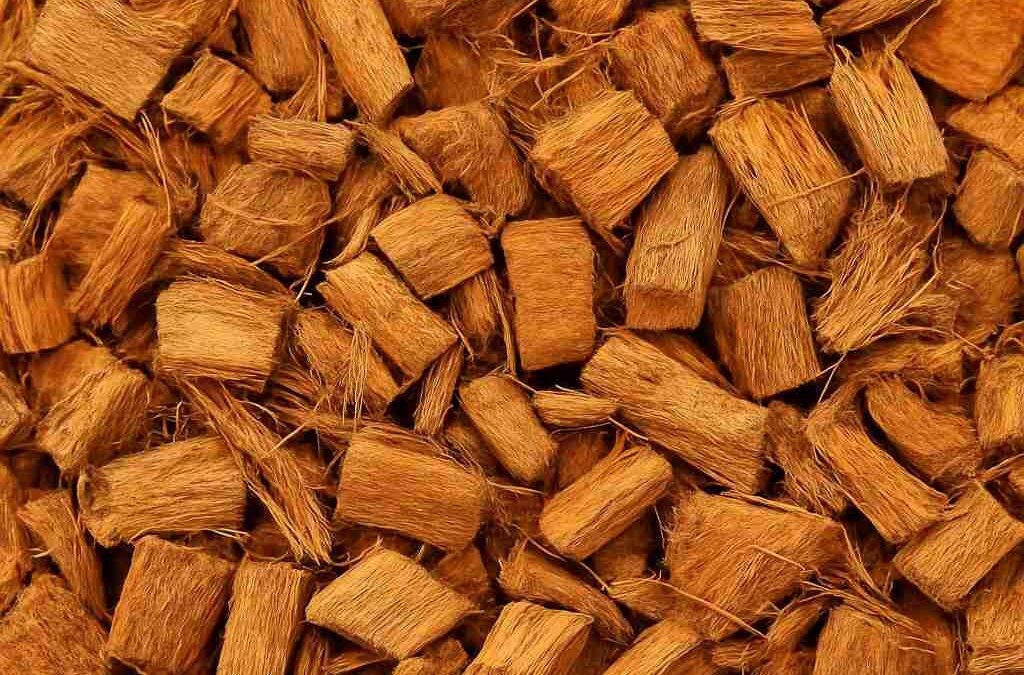
Modern gardening is no longer just about soil and water. With increasing awareness of plant health and sustainability, gardeners are adopting better growing mediums that improve results while reducing effort. One of the most effective natural solutions available today is Cocochips.
At GREGLO, the focus is on providing high-quality, eco-friendly materials that help plants grow stronger in both indoor and outdoor environments. When used correctly, this natural medium can significantly improve root development, moisture balance, and overall plant performance.
Benefits of Cocochips for Healthy Indoor Plant Growth
Indoor plants often struggle due to limited airflow and improper drainage in pots. Cocochips help solve these issues by creating a well-balanced growing environment. Their structure allows roots to receive enough oxygen, which is essential for healthy growth.
They also hold moisture efficiently, ensuring plants stay hydrated without being overwatered. This reduces the risk of root rot, one of the most common problems in indoor gardening. Additionally, they prevent soil from becoming too compact over time, allowing roots to expand freely and absorb nutrients more effectively.
For plant lovers, this means less maintenance and more consistent growth results.
How Cocochips Improve Drainage and Soil Aeration Balance
Proper drainage and aeration are critical for plant survival. Cocochips play an important role in maintaining this balance by creating small air pockets within the soil.
These air pockets allow excess water to drain out quickly while ensuring that enough moisture remains for plant use. At the same time, they improve airflow, preventing roots from suffocating and reducing the chances of fungal infections.
This combination makes them suitable for a wide range of plants, especially those sensitive to overwatering. By maintaining the right soil conditions, plants can grow healthier and more efficiently.
Step by Step Guide to Using Cocochips in Indoor Plants
Using Cocochips for indoor plants is a simple process when done correctly. Begin by soaking them in water for several hours. This step is important as it removes dust and ensures the material is fully hydrated before use.
After soaking, mix them with potting soil depending on the plant’s requirements. Some plants prefer a higher ratio, while others need only a small amount mixed into the soil. Fill the pot with this mixture and plant your indoor species carefully.
Once planted, water thoroughly and place the pot in a suitable location with proper light. Regular monitoring of moisture levels will help maintain the right conditions for plant growth.
Best Ways to Use Cocochips in Outdoor Garden Soil Beds
Outdoor gardens can greatly benefit from the addition of Cocochips, especially when dealing with poor soil conditions. Mixing them into garden beds improves soil structure and enhances its ability to retain moisture.
They also help reduce soil compaction, allowing roots to grow deeper and stronger. This leads to better nutrient absorption and healthier plants overall.
Another effective method is using them as mulch around plants. This helps conserve water, regulate soil temperature, and reduce weed growth, making garden maintenance easier and more efficient.
Ideal Plants That Thrive Well in Cocochips Growing Medium
Many plants grow exceptionally well in Cocochips due to their ability to provide balanced moisture and airflow. Orchids are among the most suitable plants, as they require excellent aeration around their roots.
Indoor plants like ferns, anthuriums, and peace lilies also benefit greatly from this medium. These plants thrive in environments where moisture is consistent but not excessive.
In outdoor settings, vegetables such as tomatoes and cucumbers perform better when soil is improved with this material. It supports root health and encourages better yield and growth.
Common Mistakes to Avoid When Using Cocochips for Plants
Although Cocochips are easy to use, certain mistakes can affect their performance. One common error is skipping the soaking process before use, which can limit their ability to retain moisture effectively.
Overwatering is another issue that gardeners should avoid. Even though they hold water well, too much moisture can still damage roots. Monitoring plant needs is essential for maintaining balance.
Another mistake is using them without adding nutrients. Since they do not provide essential nutrients on their own, combining them with compost or fertilizers is necessary for optimal plant growth.
Mixing Cocochips with Other Media for Better Plant Growth
For best results, Cocochips can be combined with other growing materials. Mixing them with coco peat helps improve moisture retention, while adding perlite enhances drainage.
Compost can be included to supply essential nutrients required for plant development. This combination creates a balanced growing medium that supports both root health and overall plant growth.
Such mixtures are especially useful in container gardening and controlled environments like greenhouses, where maintaining the right balance is crucial for success.
Why Cocochips Are a Sustainable Choice for Gardening Needs
Sustainability has become an important factor in modern gardening, and Cocochips offer an environmentally friendly solution. They are made from natural coconut husks, which makes them biodegradable and safe for the environment.
They are also reusable and long-lasting, reducing the need for frequent replacements. This not only saves money but also minimizes waste.
By choosing natural growing mediums, gardeners contribute to a healthier ecosystem while ensuring their plants grow in a safe and chemical-free environment.
Conclusion
Using Cocochips is a smart and effective way to improve gardening results in both indoor and outdoor settings. Their ability to enhance aeration, maintain moisture, and support root development makes them a valuable addition to any garden.
With proper usage and care, gardeners can achieve healthier plants and better growth outcomes. GREGLO continues to provide reliable and sustainable solutions that meet the needs of modern gardening practices.
Frequently Asked Questions (FAQs)
1. Can Cocochips be used alone for all plants?
They can be used alone for specific plants like orchids, but most plants require a mix with soil or compost for better nutrient support.
2. How often should plants be watered when using Cocochips?
Watering frequency depends on the plant type, but generally, less frequent watering is needed due to good moisture retention.
3. Are Cocochips suitable for beginners in gardening?
Yes, they are easy to use and help simplify plant care, making them ideal for beginners as well as experienced gardeners.