
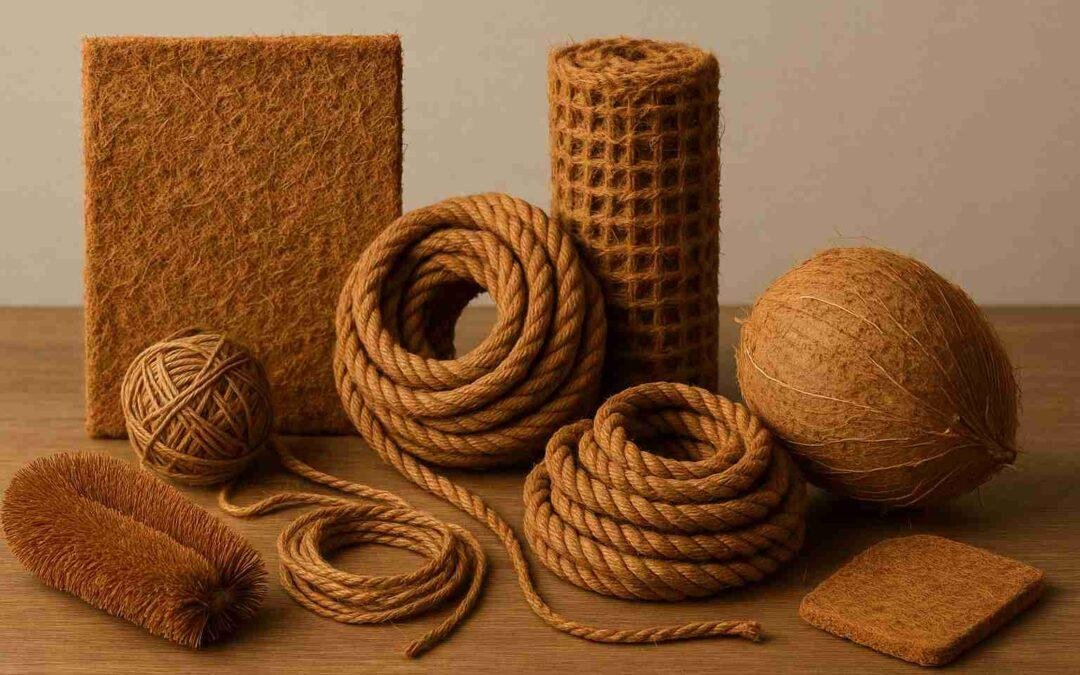
Coconut husk is more than a leftover material. With the right processing, it can become a useful growing medium for modern horticulture. Coconut husk chips are valued for their ability to create air spaces while also holding moisture around plant roots.
For buyers, product quality starts long before the chips are packed. Raw material selection, chip size, washing, drying, screening, and packaging can all affect the final product. This is why choosing experienced Coconut Husk Chips Manufacturers is important for growers and importers.
GREGLO produces coconut-based growing products for agricultural and horticultural applications. Its product range includes coco chips in compressed blocks and smaller brick formats.
How Coconut Husk Becomes Growing Chips
The journey starts with the coconut husk. After the coconut is processed, the husk can be separated and prepared for different coir products.
For husk chips, the material is cut into smaller pieces. The size can vary based on the needs of the buyer and the intended growing system.
A simple production flow looks like this:
Coconut husk → Selection → Cutting → Washing → Drying → Screening → Quality check → Packing
Each stage has a purpose. Clean raw material helps create a better final product. Proper cutting gives the chips a more consistent structure. Washing helps manage unwanted salts and dust.
Good processing also makes the product easier for growers to use in pots, nursery mixes, greenhouses, and other growing systems.
Why Chip Size Matters for Plant Growth
Chip size is not just a packaging detail. It can change how the growing medium behaves.
Larger chips create wider spaces between pieces. These spaces can improve air movement around plant roots. Smaller chips can hold more moisture because they have more surface area.
The right size depends on the crop and growing method.
For example:
- Small chips: Useful when more moisture retention is needed.
- Medium chips: Offer a balance of moisture and air space.
- Large chips: Can provide stronger aeration and drainage.
- Mixed sizes: Can be used in blends for specific growing needs.
Good manufacturers should be able to explain the available sizes and their intended applications. This helps buyers select a product based on performance rather than appearance.
Selecting Good Coconut Husk for Processing
Quality starts with the raw material. Manufacturers need suitable coconut husks before they begin processing.
The condition of the husk can affect the final chips. Clean and mature husks can provide a suitable base for producing durable coir-based media.
Manufacturers may check:
- Husk condition
- Moisture
- Cleanliness
- Fibre structure
- Foreign materials
- Suitability for the required chip size
Raw material storage also matters. Poor storage can expose husks to excess moisture, dirt, or other unwanted material.
GREGLO sources and stores coconut husk and raw coco materials to support regular production. Its manufacturing facility includes equipment for producing husk chips and other coco products.
Washing Helps Prepare Cleaner Husk Chips
Freshly processed coconut material may contain dust and soluble salts. Washing helps remove unwanted material before the chips are supplied to growers.
This step becomes especially important for horticultural products. Sensitive plants may react to high salt levels in a growing medium.
A controlled washing process can help improve product quality.
Manufacturers should pay attention to:
- Water quality
- Washing method
- Washing cycles
- Drainage
- Final salt levels
- Product cleanliness
Buyers should ask for product specifications when placing bulk orders. A clear specification gives them a better idea of what they are purchasing.
Quality Checks Before Export Packing
Export-ready chips need more than a good appearance. Buyers often want clear information about the product before placing large orders.
Important checks may include:
| Quality Factor | Why It Matters |
|---|---|
| Chip size | Affects air spaces and moisture movement |
| Moisture | Supports better storage and handling |
| EC | Helps buyers assess soluble salt levels |
| pH | Helps match the product to growing needs |
| Cleanliness | Reduces unwanted material |
| Expansion | Helps assess performance after hydration |
| Packaging | Protects the product during transport |
GREGLO highlights quality parameters such as pH and processed coco products that are washed and buffered for suitable applications. Its manufacturing process includes pre- and post-quality control stages.
How Coconut Husk Chips Support Modern Growing
Coconut husk chips are useful because they create larger air spaces than fine coco peat. At the same time, the chips can absorb and hold some moisture.
This combination makes them useful for several applications.
Common uses include:
- Orchid growing
- Nursery production
- Potting mixes
- Greenhouse cultivation
- Hydroponic growing
- Floriculture
- Indoor plants
- Root-zone applications
They can also be mixed with coco peat or other growing materials. This allows growers to adjust the balance between moisture retention and aeration.
The exact blend should depend on the crop and growing conditions.
Why Export Buyers Look for Consistency
Bulk buyers need products that perform in a predictable way. A single good sample is not enough if later batches are very different.
Consistency matters because growers build irrigation and crop management plans around their growing medium.
Before placing a large order, buyers can request:
- Product specifications
- A representative sample
- Chip-size information
- EC and pH details
- Moisture information
- Packaging details
- Production capacity
- Quality-control information
This gives the buyer a clearer picture of the supplier’s capabilities.
Experienced Coconut Husk Chips Manufacturers should be able to discuss these points clearly and provide information that matches the actual product.
Preparing Coconut Husk Chips Before Use
Compressed chips need hydration before they are used in many growing systems. Water allows the compressed material to expand and become loose.
GREGLO also recommends preparing coco-based products before use by hydrating compressed materials. Its coconut husk product range includes compressed coco chips in both 5 kg blocks and 650 g bricks.
A simple preparation process is:
First, add clean water.
Allow the chips to absorb water and expand.
Next, loosen the material.
Break apart compressed sections so the chips can spread evenly.
Then, inspect the product.
Remove any visible unwanted material.
Finally, use the chips in the selected growing system.
Growers can use them alone or mix them with other suitable media.
How GREGLO Prepares Coco Chips for Buyers
GREGLO works with coconut-based products for growers, nurseries, and agricultural buyers. Its manufacturing setup includes machinery for husk chips, cocopeat blocks, coco cubes, grow bags, and other products.
The process focuses on several important areas:
- Coconut husk sourcing
- Mechanical processing
- Chip preparation
- Washing
- Drying
- Screening
- Quality checks
- Compression
- Packaging
GREGLO’s published product information also highlights triple-washed and buffered coco products and a pH range of 5.5 to 6.5 for its cocopeat offerings. Product specifications can vary by product, so buyers should confirm the required parameters for their specific order.
Choosing a Reliable Manufacturer for Export Orders
Price is important, but it should not be the only factor. A lower price may not provide good value if the product is inconsistent or poorly packed.
When comparing suppliers, look at:
Product quality: Does the product match the required specifications?
Processing: Does the supplier explain washing, drying, and screening?
Consistency: Can the manufacturer maintain similar quality across batches?
Capacity: Can the supplier handle your required order volume?
Packaging: Is the product protected for transport?
Communication: Does the supplier provide clear and timely information?
Samples: Can you test the product before placing a bulk order?
These checks can help reduce problems later.
For international buyers, documentation and shipping support also matter. Clear product details make it easier to plan import, storage, and growing operations.
Frequently Asked Questions (FAQs)
⇩
1. What are coconut husk chips used for?
Coconut husk chips are used as a growing medium in orchid cultivation, nurseries, potting mixes, greenhouse growing, hydroponics, and other horticultural applications. They help create air spaces while retaining some moisture around roots.
2. How do Coconut Husk Chips Manufacturers maintain product quality?
Manufacturers can improve quality by controlling raw material selection, chip size, washing, drying, screening, testing, and packaging. Regular checks also help maintain consistency between production batches.
3. What should buyers check before ordering coconut husk chips?
Buyers should check chip size, moisture, EC, pH, cleanliness, expansion, packaging, and processing details. Requesting a sample and product specifications before a bulk order can also help confirm suitability.
Conclusion
Turning coconut husk into export-ready chips requires more than cutting the material into pieces. Each stage can affect the final product.
Raw material selection, washing, drying, screening, quality checks, compression, and packaging all play a role. The right process can produce chips that are cleaner, more consistent, and easier for growers to use.
For buyers, working with experienced Coconut Husk Chips Manufacturers can make sourcing easier. A good supplier should provide clear product information and understand the needs of modern horticulture.