
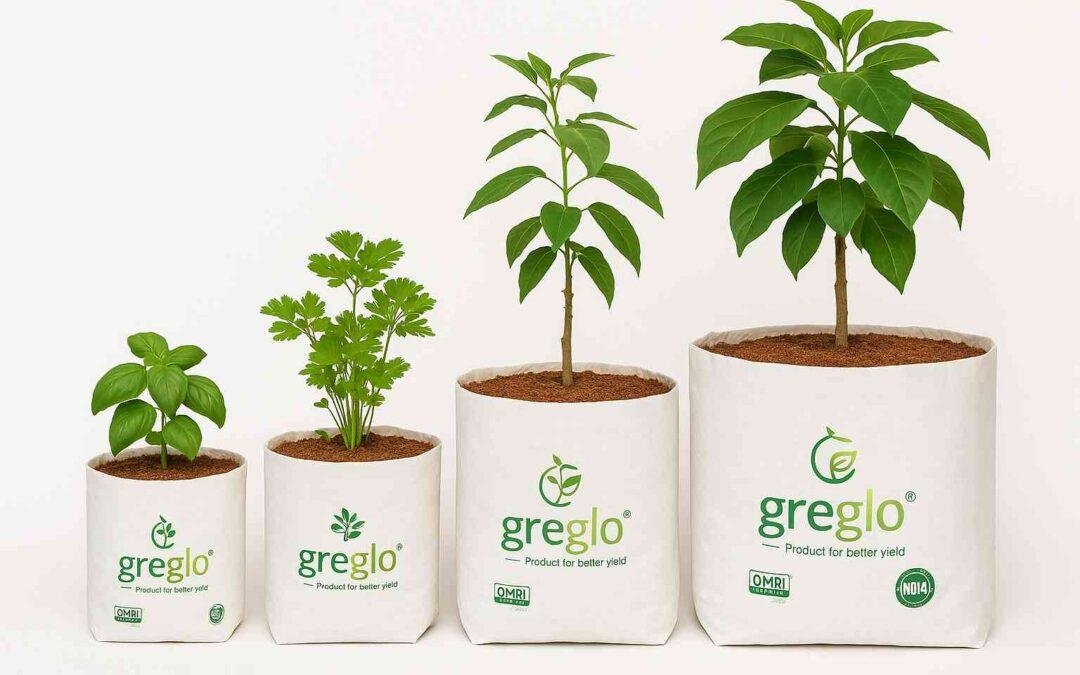
A healthy crop starts with a healthy root zone. The growing medium must hold enough water, allow air to reach the roots, and support steady plant growth. This is why coir-based growing media are gaining attention in modern horticulture.
Coir Pith Grow Bags offer a practical option for greenhouse farming, nurseries, and protected cultivation. They use processed coconut coir pith to create a ready growing environment for plants.
However, grow bag quality can vary from one product to another. The raw material, particle size, washing, pH, EC, moisture, and bag design can all affect crop performance.
GREGLO produces processed coco products for agriculture and horticulture. Its focus on quality processing helps growers select products based on their crop and growing system.
Start With Quality Coconut Coir Pith
The quality of the raw material has a direct effect on the final grow bag. Coco pith comes from coconut husk after the fibre is separated.
The material then goes through further processing. This can include screening, washing, drying, buffering, and other preparation steps.
Good raw material should be:
- Clean
- Suitable for processing
- Free from unwanted materials
- Consistent in structure
- Suitable for the intended crop
Poor raw material can create problems later. It may lead to uneven texture or inconsistent performance.
For this reason, manufacturers need to control the raw material before production begins.
Choose the Right Particle Size for Your Crop
Particle size has a major role in root-zone performance. Fine particles can hold more water. Larger particles create more air spaces.
Neither option is automatically better. The right balance depends on the crop and growing method.
For example:
| Particle Type | Main Benefit |
|---|---|
| Fine | Better moisture retention |
| Medium | Balanced water and air |
| Coarse | More air space and drainage |
| Mixed | Can suit specific growing needs |
Growers should consider the crop before choosing the product. A crop that needs more moisture may require a different structure from one that needs faster drainage.
The right particle mix can make irrigation easier to manage.
Balance Water Retention With Root Aeration
Roots need both water and oxygen. A growing medium that holds too much water may reduce air around the roots.
Coir pith can hold moisture while its structure creates spaces for air. This makes it useful for controlled growing systems.
However, the balance depends on the product quality and irrigation method.
Growers should watch:
- Moisture level
- Drainage
- Irrigation frequency
- Root growth
- Temperature
- Humidity
A good root zone should remain moist without staying waterlogged.
This balance is one of the main reasons growers use coir-based growing media.
Check EC Before Planting Sensitive Crops
Electrical conductivity, or EC, shows the level of soluble salts in a growing medium.
Coconut-based materials can naturally contain salts. Washing helps reduce these salts before the product reaches the grower.
High EC can create problems for some crops. It may affect how roots take up water and nutrients.
Before buying, growers should ask for:
- EC value
- Washing details
- Test results
- Product batch information
- Recommended crop applications
The ideal EC depends on the crop and growing system. A manufacturer should provide clear product information to help buyers make the right choice.
Maintain the Right pH for Better Nutrient Use
pH can affect how plants access nutrients. A suitable pH range helps create a better environment for nutrient uptake.
Coco-based media are often slightly acidic. However, the actual pH can vary based on the raw material and processing method.
Growers should check the product specification before planting.
They should also monitor the root zone during the crop cycle. Irrigation water and fertilisers can change pH over time.
Keeping track of pH helps growers make better nutrient decisions.
Buffering Helps Prepare Coir for Controlled Growing
Buffering is another process used for selected coir products. It helps prepare the material for growing systems where nutrient control is important.
This can be useful for:
- Greenhouse crops
- Nursery plants
- Hydroponic systems
- Soilless cultivation
- Commercial horticulture
Buffering does not mean every crop needs the same product. Growers should match the product to their crop and nutrient plan.
A reliable supplier should clearly state whether the product is washed, buffered, or both.
This makes product selection easier and more transparent.
Moisture Content Affects Storage and Preparation
Moisture content matters before the grow bag reaches the farm. Too much moisture can increase weight and make transportation harder.
Very dry material may need more water during preparation.
The right moisture level depends on the product and packaging format.
Before planting, growers should:
- Place the grow bag correctly
- Add water as required
- Allow the coir to expand
- Check moisture distribution
- Create proper drainage
- Prepare the planting holes
Correct preparation helps the growing medium work more evenly.
Consistency Matters Across Every Production Batch
Commercial growers need consistent growing media. A major change between batches can affect irrigation and crop management.
This is why Coir Pith Grow Bags should be checked for consistent quality.
Buyers can ask manufacturers for:
- Product specifications
- pH information
- EC information
- Moisture details
- Particle-size details
- Bag dimensions
- Sample products
- Quality reports
Testing a sample before a large purchase is a useful step.
It allows growers to check how the product behaves under their own growing conditions.
How GREGLO Supports Quality-Focused Production
GREGLO produces coconut-based growing products for agriculture and horticulture. The company focuses on processing quality and practical applications.
Its coco product range includes different formats for growers and agricultural buyers.
Quality-focused production includes:
Raw material selection: Suitable coconut material is chosen for processing.
Processing: The coir is prepared for the required product type.
Washing: Washed products help manage unwanted soluble salts.
Buffering: Selected products can be buffered for controlled growing systems.
Product preparation: Coco materials are prepared for practical agricultural use.
Quality checks: Product properties are checked during production.
This approach helps buyers select coco products based on actual growing needs.
Frequently Asked Questions (FAQs)
⤵
1. What affects the quality of coir pith grow bags?
Raw material, particle size, washing, buffering, pH, EC, moisture, bag size, and processing consistency can all affect quality. The right combination depends on the crop and growing system.
2. Are coir pith grow bags suitable for greenhouse farming?
Yes. They can be used for many greenhouse and protected cultivation crops. Growers should select the correct bag size and coir structure based on the crop, irrigation method, and root-zone needs.
3. Should I test a grow bag before buying in bulk?
Yes. A sample test can show how the product holds water, drains, expands, and supports your crop. It can also help you check the product specifications before making a large purchase.