
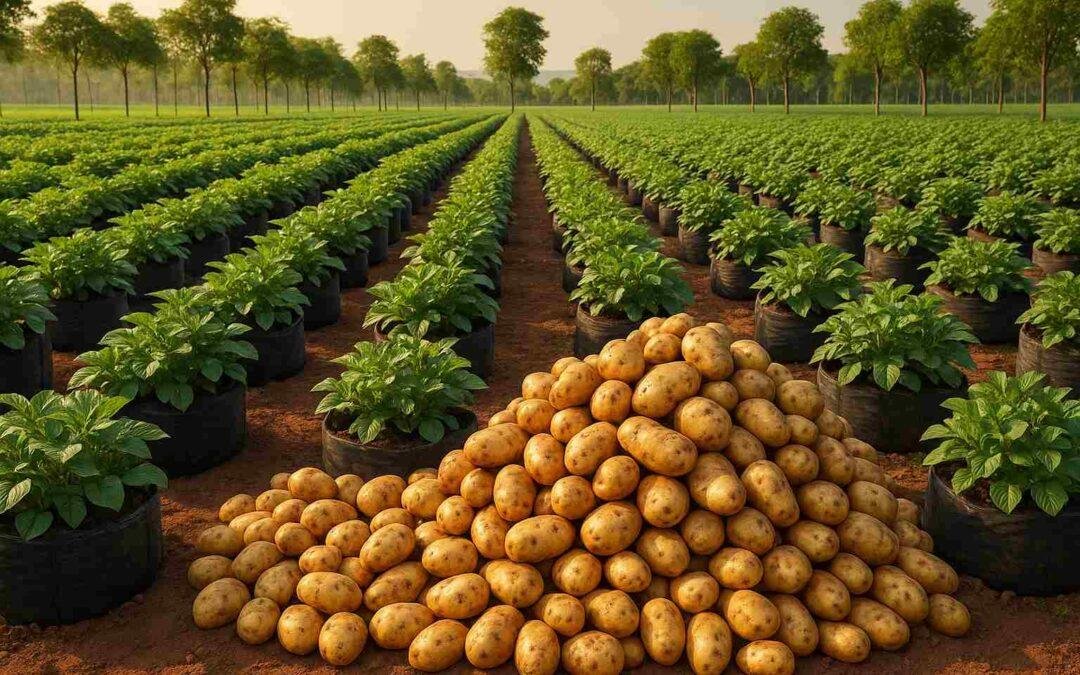
Commercial potato farming is evolving rapidly as growers search for efficient and sustainable cultivation methods. Traditional farming techniques often face challenges such as poor soil drainage, uneven crop growth, pest attacks, and limited space management. Modern agricultural practices now focus on smarter growing solutions that improve productivity while reducing operational difficulties. One of the most practical innovations adopted by commercial farmers today is the use of Grow bags for potato cultivation.
These advanced planting containers provide better aeration, controlled root growth, and healthier crop development compared to conventional farming systems. Many professional growers now rely on high-quality grow bags to increase potato yield while managing farms more effectively. Brands like GREGLO are helping farmers adopt reliable cultivation solutions that support large-scale potato production with consistent results.
Why Commercial Potato Farming Needs Modern Growing Solutions
Commercial potato cultivation demands proper soil conditions, balanced moisture levels, and efficient nutrient management. Traditional field farming sometimes creates problems such as compacted soil, excessive water retention, and irregular root expansion. These conditions can directly reduce crop quality and productivity.
Modern farming techniques aim to overcome these issues through controlled cultivation systems. Using Grow bags for potato farming allows growers to create a healthier environment for potato roots. The flexible structure of grow bags supports proper air circulation and reduces the risk of waterlogging, which is essential for potato crops.
Commercial growers also prefer modern solutions because they simplify farm management. Grow bags can be arranged systematically, making irrigation, fertilization, and harvesting easier. This improves labor efficiency and helps farmers maintain better crop consistency across large cultivation areas.
Key Benefits of Using Premium Grow Bags for Potato Farming
Premium grow bags provide multiple advantages that support commercial farming operations. Their design improves both plant health and overall farm productivity. High-quality materials ensure durability, allowing farmers to use the bags across several growing seasons.
One major advantage of Grow bags for potato cultivation is superior drainage. Potatoes require moist soil but cannot tolerate standing water around the roots. Grow bags help maintain balanced moisture levels, reducing root diseases and fungal infections.
Premium grow bags are also highly flexible for farm layouts. Farmers can easily shift or reorganize planting areas according to seasonal requirements. This mobility makes them suitable for both open-field and greenhouse potato farming systems.
How Grow Bags Improve Potato Root Development Naturally
Healthy root development is one of the most critical factors in successful potato farming. Potatoes need loose, well-aerated growing conditions to develop evenly and achieve better size consistency. Compacted soil often restricts root expansion and limits crop productivity.
Using Grow bags for potato farming creates an ideal root environment naturally. The breathable fabric design allows excess heat and moisture to escape while maintaining proper soil conditions. This helps roots expand freely without stress.
As a result, potato plants grown in premium grow bags often show healthier foliage, stronger stems, and improved tuber formation compared to conventional methods.
Smart Drainage Systems Help Increase Potato Crop Productivity
Drainage management plays a vital role in commercial potato farming. Excessive moisture around potato roots can lead to rot, fungal infections, and poor-quality harvests. Traditional soil beds may struggle to maintain balanced moisture during heavy irrigation or rainfall.
Premium Grow bags for potato cultivation offer excellent drainage performance. Their porous material allows excess water to flow out naturally while retaining enough moisture for healthy plant growth. This balance protects crops from water stress and supports consistent tuber development.
Better drainage also improves fertilizer efficiency. Nutrients remain available to the plant roots without becoming trapped in waterlogged soil. Commercial farmers benefit from healthier crops and reduced losses caused by disease outbreaks.
Choosing Durable Materials for Large-Scale Potato Cultivation
Material quality is one of the most important considerations when selecting grow bags for commercial farming. Poor-quality containers may tear easily, lose shape, or fail to provide proper airflow during the growing cycle.
Reliable brands like GREGLO focus on durable materials that withstand demanding agricultural conditions. High-strength fabric supports repeated use while maintaining structural stability throughout the cultivation period.
Commercial farmers prefer premium materials because they resist UV exposure, heavy moisture, and continuous outdoor usage. Durable Grow bags for potato farming also reduce replacement costs, making them a cost-effective investment over time.
Space Optimization Techniques with Commercial Potato Grow Bags
Efficient land utilization is becoming increasingly important in modern agriculture. Commercial growers often look for ways to maximize productivity without expanding cultivation areas significantly. Grow bags provide an excellent solution for optimized space management.
Using Grow bags for potato cultivation allows vertical and organized planting arrangements that improve accessibility and crop monitoring. Farmers can maintain clear walking paths, irrigation systems, and harvesting zones with greater convenience.
Grow bags are especially useful in greenhouse farming, rooftop agriculture, and controlled farming environments where space is limited. Their flexible arrangement helps growers increase planting density while maintaining healthy plant spacing.
Sustainable Farming Practices Supported by Premium Grow Bags
Sustainability is becoming a major priority in commercial agriculture. Farmers are adopting environmentally responsible methods that conserve resources while maintaining high productivity levels. Premium grow bags support several sustainable farming practices.
Premium Grow bags for potato farming also support reusable cultivation systems. High-quality grow bags can be used for multiple seasons, reducing agricultural waste and lowering operational expenses.
Many commercial growers are now integrating sustainable solutions into their farming operations to meet market demands for eco-friendly agricultural products.
Why GREGLO Grow Bags Are Ideal for Commercial Potato Farming
Selecting the right farming products can significantly influence cultivation success. GREGLO has become a trusted name among commercial growers seeking reliable agricultural solutions for modern farming systems.
The company focuses on manufacturing premium grow bags designed to meet the demands of professional potato cultivation. Their products combine durability, airflow efficiency, and strong drainage performance to support healthier crop production.
Using high-quality Grow bags for potato farming from GREGLO helps growers improve crop consistency, reduce soil-related problems, and simplify farm management operations. These advantages make them highly suitable for large-scale commercial farming projects.
Conclusion
Commercial potato farming requires smarter cultivation strategies that improve productivity, crop health, and operational efficiency. Traditional growing methods often face limitations related to drainage, soil compaction, and inconsistent plant development. Premium grow bags provide a modern solution that addresses these challenges effectively.
From improved root aeration to better moisture management, grow bags support healthier potato cultivation while simplifying commercial farming practices. Their flexibility, durability, and space optimization benefits make them ideal for both large farms and controlled agricultural systems.
Brands like GREGLO continue helping commercial growers adopt advanced farming methods through high-quality agricultural products designed for long-term performance. Investing in premium grow bags can help potato farmers achieve higher productivity, healthier crops, and more sustainable farming operations.
Frequently Asked Questions
1. Why are grow bags better for commercial potato farming?
Grow bags provide better drainage, improved aeration, and healthier root development compared to traditional soil beds. These advantages support stronger potato growth and improved harvest quality.
2. How long can premium potato grow bags last?
High-quality grow bags made from durable materials can last for several growing seasons when maintained properly. Their reusable design also helps reduce farming costs over time.
3. Can grow bags be used in greenhouse potato cultivation?
Yes, grow bags are highly suitable for greenhouse farming. They help optimize space, improve airflow, and support controlled cultivation conditions for commercial potato production.