
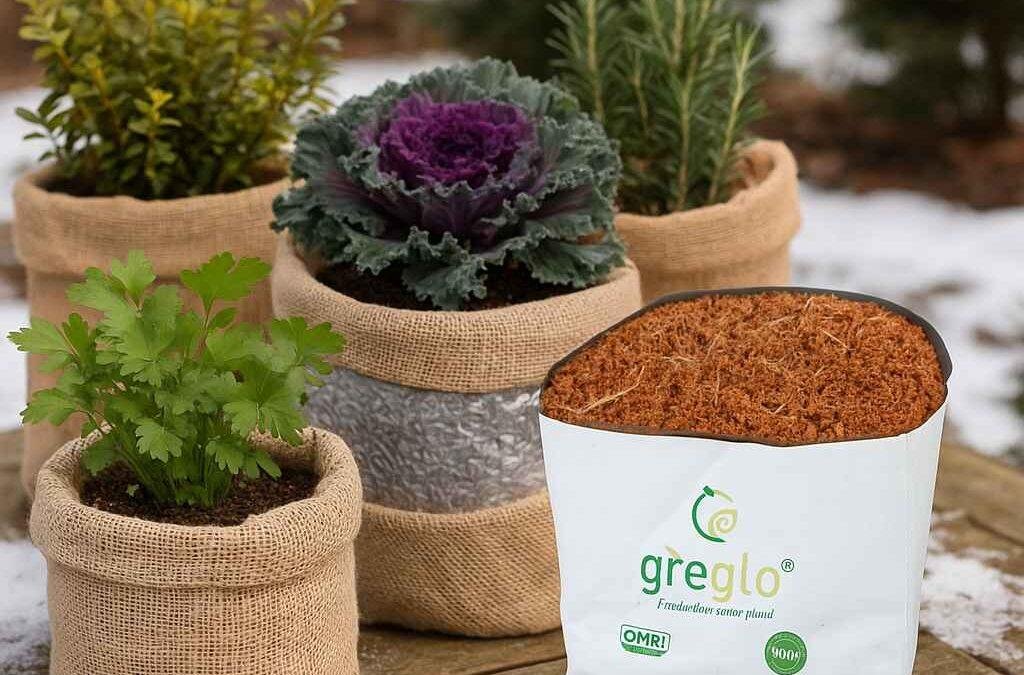
Organic farming is growing rapidly across India, the US, Europe, and the Middle East as consumers demand chemical-free, residue-free produce. Farmers are now shifting from traditional ground cultivation to controlled growing systems that improve soil health and crop consistency. One of the most practical solutions adopted in recent years is Open top grow bags.
But the real question is: Are Open top grow bags good for organic farming? The answer depends on soil structure, drainage, root health, and sustainable input management. In this detailed guide, we explain how Open top grow bags support organic cultivation and why many farmers prefer them for vegetables, fruits, herbs, and greenhouse crops.
At GREGLO, we work closely with growers who use Open top grow bags for export-grade organic production, and this article shares practical insights from real farming applications.
What Are Open Top Grow Bags in Organic Systems?
Open top grow bags are flexible planting containers designed without a sealed upper cover. Unlike slab systems or closed grow bags, they allow direct access to the growing media, enabling farmers to add compost, cocopeat, vermicompost, or organic amendments easily.
In organic farming, soil quality is everything. Open top grow bags make it simple to:
- Mix natural fertilizers
- Improve aeration
- Maintain microbial activity
- Adjust moisture levels
Because the top is open, farmers can manage the soil ecosystem naturally, which is essential in certified organic cultivation.
How Open Top Grow Bags Support Soil Health Naturally
Healthy soil is the foundation of organic farming. Open top grow bags create a controlled root environment where beneficial microbes can thrive.
When filled with cocopeat, compost, and organic nutrients, these bags:
- Prevent soil compaction
- Encourage earthworm activity (in some systems)
- Improve oxygen circulation
- Maintain consistent moisture
Unlike traditional soil beds, Open top grow bags isolate crops from contaminated land. This is especially important in areas where soil has been exposed to chemicals in the past. By using clean substrates inside Open top grow bags, farmers can maintain organic integrity from root to harvest.
Why Open Top Grow Bags Improve Root Aeration
Roots require oxygen as much as they need water. In conventional farming, heavy soil often restricts airflow, leading to root rot and fungal infections.
Open top grow bags are typically made from breathable, UV-stabilized materials that allow controlled air exchange. This enhances:
- Strong root branching
- Faster nutrient absorption
- Reduced waterlogging risk
- Lower disease incidence
For organic farmers who avoid synthetic fungicides, natural root health is critical. Proper aeration in Open top grow bags reduces dependency on corrective treatments.
Water Management Benefits in Organic Farming
Overwatering is one of the most common mistakes in farming. In organic systems, excessive moisture can encourage pests and diseases.
Open top grow bags offer superior drainage compared to plastic pots or ground beds. When paired with drip irrigation, farmers can:
- Deliver precise water quantities
- Reduce runoff
- Prevent nutrient leaching
- Maintain balanced moisture levels
Because the growing media remains loose and aerated, crops develop deeper root systems. This translates to stronger plants and better resistance to environmental stress.
Are Open Top Grow Bags Safe for Organic Certification?
For certified organic farming, materials used in cultivation must comply with standards set by regulatory bodies. The good news is that Open top grow bags themselves are containers and do not directly interfere with organic certification.
What matters more is:
- The type of substrate used
- Organic-approved fertilizers
- Absence of chemical contamination
High-quality Open top grow bags from trusted manufacturers like GREGLO are made from durable, non-toxic materials suitable for agricultural use. When combined with certified organic inputs, they align well with organic farming principles.
Farmers should always verify compliance with their local certification authority, but in most cases, Open top grow bags are fully compatible with organic production systems.
Best Crops for Organic Farming in Open Top Grow Bags
Many high-value crops perform exceptionally well in Open top grow bags. These include:
- Tomatoes
- Capsicum
- Cucumbers
- Strawberries
- Leafy greens
- Herbs
Because the growing environment can be customized, farmers achieve consistent plant spacing and nutrient control. Organic growers particularly benefit from the ability to rotate crops easily without disturbing the soil ecosystem.
In greenhouse setups, Open top grow bags offer uniformity, which is essential for export-oriented organic vegetable production.
Reduced Weed Growth and Chemical Dependency
Weed control is a major challenge in organic farming since chemical herbicides are not allowed.
Open top grow bags significantly reduce weed growth because:
- The growing media is controlled
- External seeds cannot easily enter
- Soil contamination is minimized
This decreases manual labor and improves operational efficiency. By limiting unwanted plant competition, crops receive better nutrient availability, resulting in higher yields.
For organic farmers focused on sustainability, Open top grow bags help maintain clean cultivation areas with minimal intervention.
Sustainability and Reusability Advantages
Environmental responsibility is at the core of organic agriculture. Many farmers wonder whether Open top grow bags are eco-friendly.
High-grade Open top grow bags are:
- Reusable for multiple seasons
- Resistant to UV degradation
- Durable under varying climates
When properly maintained, they can last several growing cycles, reducing plastic waste compared to single-use containers. At GREGLO, emphasis is placed on manufacturing strong, long-lasting Open top grow bags to support sustainable agriculture practices.
By reusing bags and recycling growing media responsibly, farmers can maintain an eco-conscious production model.
Cost Efficiency for Organic Farmers
Organic inputs such as compost and biofertilizers can be expensive. Open top grow bags allow precise input management, preventing wastage.
Because farmers can control:
- Media quantity
- Water application
- Fertilizer dosage
They reduce unnecessary costs. Additionally, higher yield consistency leads to better market returns, especially in premium organic markets.
For small-scale terrace growers as well as large commercial farms, Open top grow bags offer flexibility in scaling operations without heavy infrastructure investment.
Open Top Grow Bags in Greenhouse Organic Farming
Greenhouse organic farming demands precision. Temperature, humidity, and irrigation must be tightly managed.
Open top grow bags integrate seamlessly with:
- Drip irrigation systems
- Mulching techniques
- Integrated pest management
- Vertical farming models
They are particularly effective in hydro-organic or soilless systems where cocopeat is the primary medium. This allows growers to maintain organic purity while maximizing productivity per square meter.
Many progressive farmers working with GREGLO prefer Open top grow bags for greenhouse organic cultivation due to uniform crop performance and easier maintenance.
Are There Any Limitations to Consider?
While Open top grow bags offer many advantages, farmers should consider:
- Proper drainage hole placement
- Correct GSM strength selection
- Adequate support for tall crops
- Regular substrate monitoring
Choosing low-quality bags can lead to tearing or poor aeration. Therefore, sourcing from a reliable manufacturer like GREGLO ensures durability and performance.
Proper setup and good farming practices determine overall success. When managed well, Open top grow bags become a highly efficient organic cultivation tool.
Conclusion
So, are Open top grow bags good for organic farming?
Yes, they are highly suitable when used with certified organic inputs and proper cultivation techniques. They support soil health, enhance root aeration, improve water management, reduce weeds, and enable controlled nutrient application.
For farmers seeking sustainable, scalable, and high-yield organic systems, Open top grow bags provide a practical and reliable solution. With quality manufacturing and agricultural expertise from brands like GREGLO, growers can confidently adopt Open top grow bags to achieve consistent organic production.
As organic agriculture continues to expand globally, innovative cultivation methods such as Open top grow bags will play a crucial role in ensuring cleaner, healthier, and more profitable farming.
Frequently Asked Questions
1. Can Open top grow bags be reused in organic farming?
Yes, high-quality Open top grow bags can be reused for multiple seasons if cleaned and stored properly. Ensure the growing media is refreshed or sterilized between cycles.
2. What growing media is best for Open top grow bags?
Cocopeat mixed with compost and organic fertilizers works extremely well. The media should provide good drainage and aeration.
3. Are Open top grow bags better than traditional soil beds?
For controlled environments, greenhouse farming, and areas with poor soil quality, Open top grow bags offer better drainage, weed control, and nutrient management compared to traditional beds.