
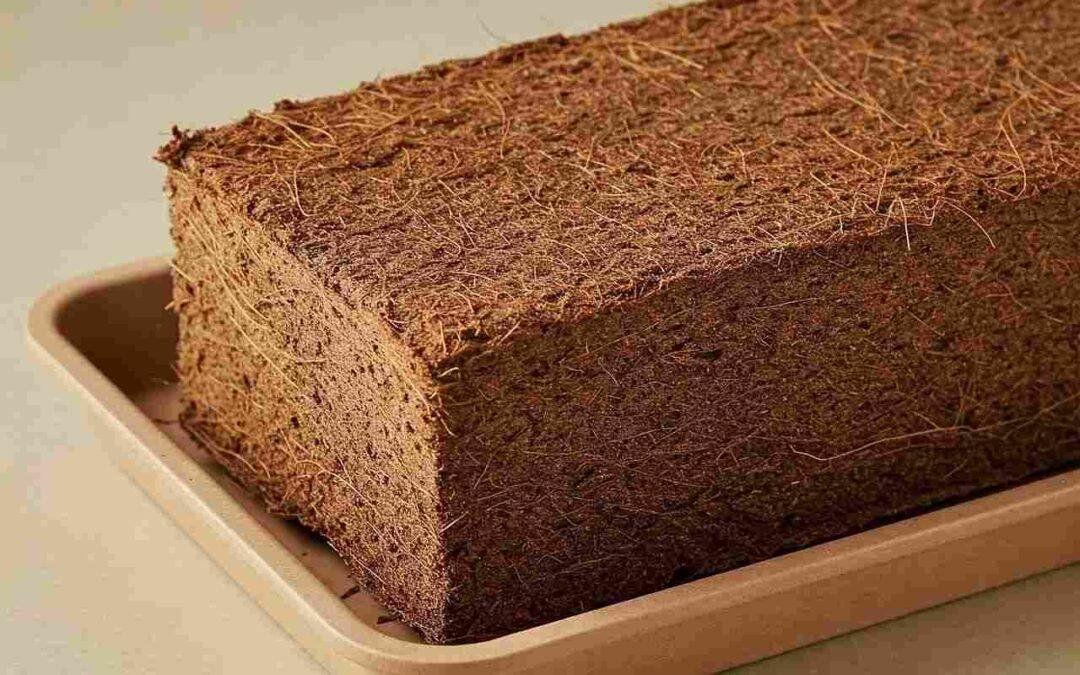
Whether you manage a commercial farm, operate a nursery, or enjoy growing vegetables in your backyard, choosing the right growing medium can significantly influence plant health and productivity. Among the many options available today, cocopeat has become a trusted choice because of its excellent water retention, aeration, and eco-friendly nature. However, before making a purchase, most buyers ask the same question: how can they find the Cocopeat Price in India that offers both quality and value?
Price alone should never be the deciding factor. The quality of cocopeat depends on several factors, including raw material selection, processing methods, washing, buffering, moisture content, and expansion ratio. Low-priced products may seem attractive initially, but they can lead to poor crop performance, lower yields, and higher long-term costs.
At GREGLO, we believe buyers deserve transparent information that helps them invest wisely. This guide explains what influences pricing, how to evaluate product quality, and what farmers and gardeners should look for before purchasing.
Why Cocopeat Is Becoming the Preferred Growing Medium
Agriculture has changed rapidly over the past decade. Farmers and gardeners are increasingly moving away from traditional soil-based cultivation due to issues such as poor drainage, soil-borne diseases, and declining fertility. Cocopeat has emerged as an effective alternative because it creates an ideal root environment while supporting sustainable farming practices.
Produced from processed coconut husks, cocopeat offers excellent moisture retention without becoming waterlogged. It also improves airflow around roots, encouraging stronger root development and healthier crops. Whether used for vegetables, fruits, flowers, hydroponics, or ornamental plants, it delivers consistent performance across different growing conditions.
Another advantage is its sustainability. Since cocopeat is made from a renewable by-product of the coconut industry, it reduces agricultural waste while providing growers with a reliable growing medium. This combination of environmental responsibility and practical performance continues to increase demand, directly influencing the Cocopeat price across domestic and international markets.
What Determines the Cocopeat Price in India?
Many buyers assume that every cocopeat block is identical, but this is far from reality. Manufacturing standards, processing techniques, and quality control measures create significant differences between products, which ultimately affect the Cocopeat Price in India.
One of the biggest pricing factors is electrical conductivity (EC). Low EC cocopeat is specially processed to remove excess salts, making it ideal for sensitive crops and hydroponic systems. Because additional washing and testing are involved, these products generally cost more than standard cocopeat.
Moisture content also plays an important role. Properly dried and compressed cocopeat expands efficiently after hydration, giving growers more usable growing media from every block.
How Quality Saves More Than the Lowest Price
Every farmer wants to reduce production costs, but selecting the cheapest growing medium can become an expensive mistake. Low-quality cocopeat may contain excessive salts, uneven particle sizes, contaminants, or poor moisture retention, leading to slower plant growth and reduced yields.
For home gardeners, premium cocopeat makes gardening easier by improving seed germination and reducing maintenance. Commercial growers benefit from higher crop consistency and fewer cultivation problems.
Trusted manufacturers like GREGLO focus on producing cocopeat that meets international quality standards, helping growers achieve reliable results across diverse agricultural applications.
How Farmers Can Get Better Value for Their Investment
Buying cocopeat is not just about finding the lowest price. Smart farmers look at the overall value of the product. A high-quality growing medium often delivers better results throughout the crop cycle.
For example, one compressed cocopeat block with a high expansion ratio can produce more usable material than a cheaper block with lower expansion. This means fewer blocks are needed to prepare the same growing area.
Before purchasing, compare these factors:
- Expansion ratio after adding water
- Electrical conductivity (EC)
- pH level
- Moisture content
- Fibre and dust balance
- Packaging quality
When these factors meet industry standards, the Cocopeat Price in India becomes a worthwhile investment instead of just another farming expense.
Choosing the Right Cocopeat for Your Plants
Different crops need different types of cocopeat. A product that performs well for vegetables may not be the best choice for hydroponics or seed germination.
For home gardens, a standard washed cocopeat works well for flowering plants, herbs, and vegetables. It improves water retention and reduces the need for frequent watering.
Commercial growers usually prefer low EC or buffered cocopeat. These products are processed to remove excess salts. As a result, they create a healthier environment for sensitive crops.
Why Quality Matters More Than Cheap Pricing
Every farmer wants to reduce production costs. However, choosing the cheapest product can create bigger problems later.
Low-quality cocopeat may contain excess salts or impurities. It can also have poor moisture retention or uneven texture. These issues affect root growth and plant health.
Premium cocopeat provides consistent performance from the first irrigation to the final harvest. Plants receive better oxygen, stronger root development, and improved nutrient uptake.
This is why experienced growers compare quality before comparing prices. In the long run, better products usually produce better returns.
When evaluating the Cocopeat Price in India, think about crop performance instead of the purchase cost alone.
Why GREGLO Is a Trusted Cocopeat Supplier
Choosing the right supplier is just as important as choosing the right product. Reliable manufacturers follow strict quality standards throughout the production process.
At GREGLO, every stage is carefully monitored. The coconut husk is processed using modern methods to maintain consistent quality. Products are checked for moisture, EC, pH, and expansion before they reach customers.
Instead of offering only competitive Cocopeat price, GREGLO focuses on delivering long-term value. Customers receive products that support healthier crops, better root development, and improved growing results season after season.
Tips for Comparing Cocopeat Before You Buy
Buying cocopeat without checking its quality can lead to poor plant growth and higher farming costs. Taking a few minutes to compare products helps you make a better decision.
Before placing an order, ask the supplier these questions:
- What is the EC level of the cocopeat?
- Is the product washed or buffered?
- What is the expansion ratio?
- Is the moisture content within the recommended range?
- Has the product been tested for quality?
- Is it suitable for my crop?
You should also request product specifications or laboratory reports when buying in bulk. These details help you understand what you are paying for.
The Cocopeat Price in India may differ from one supplier to another. However, the product specifications often explain those differences. A slightly higher price can offer better consistency, fewer cultivation problems, and improved crop performance.
Future Trends in the Indian Cocopeat Market
India continues to lead the global cocopeat industry because of its strong coconut production and advanced processing facilities. As sustainable farming grows, the demand for high-quality cocopeat is also increasing.
Modern farming methods such as hydroponics, greenhouse cultivation, and precision agriculture rely heavily on premium growing media. This trend is encouraging manufacturers to improve quality and adopt better production practices.
Export demand also influences the domestic market. When international buyers require premium-grade cocopeat, manufacturers invest more in washing, buffering, and quality testing. These improvements benefit Indian farmers as well.
As the industry continues to grow, the Cocopeat Price in India will reflect not only production costs but also the value of better processing, higher quality, and reliable performance.
Conclusion
Finding the best Cocopeat Price in India is about more than choosing the cheapest option. Quality, consistency, and supplier reliability play an important role in successful farming and gardening.
At GREGLO, we believe every farmer and gardener deserves growing media they can trust. Our focus on quality processing, strict testing, and customer satisfaction ensures that every product delivers dependable performance.
Compare product specifications carefully, ask the right questions, and work with trusted suppliers. By focusing on value instead of price alone, you can make a confident buying decision that supports long-term success. The right Cocopeat Price in India is the one that delivers consistent quality, dependable results, and excellent value for every growing season.
FAQs
1. What factors affect the Cocopeat Price in India?
Several factors influence the Cocopeat Price in India, including EC level, washing and buffering processes, moisture content, expansion ratio, packaging quality, and manufacturing standards. Premium products usually cost more because they offer better consistency and performance.
2. How can I choose the best cocopeat for farming?
Select cocopeat based on your crop requirements. Check the EC level, pH, expansion ratio, and moisture content. Buying from a trusted manufacturer like GREGLO helps ensure consistent quality and better growing results.
3. Is premium cocopeat worth the higher price?
Yes. Premium cocopeat improves water retention, root aeration, and nutrient uptake. Although the initial Cocopeat price may be slightly higher, it often reduces crop losses and improves productivity, making it a better long-term investment.