
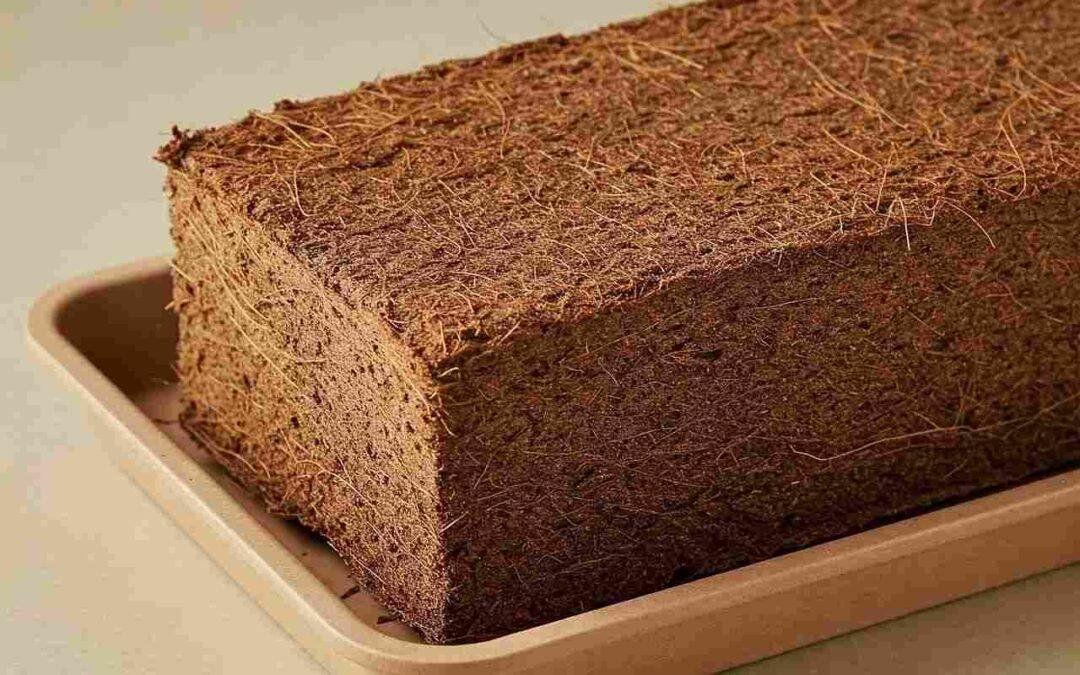
The global demand for cocopeat has increased rapidly over the last few years as agriculture, horticulture, and hydroponic industries continue searching for sustainable growing solutions. Farmers, greenhouse operators, nurseries, and home gardeners are now turning to cocopeat because of its excellent water retention, aeration, and eco-friendly nature. As the market grows, buyers often notice that pricing differs depending on the quantity purchased and the type of customer making the purchase.
Understanding the difference between wholesale and retail Cocopeat Price helps buyers make smarter purchasing decisions and avoid unnecessary costs. Businesses buying in bulk often receive lower pricing structures, while individual buyers usually pay higher rates due to packaging, transportation, and retail handling expenses. Knowing these differences can help customers choose the right purchasing model based on their needs.
At GREGLO, customers from different industries rely on high-quality cocopeat products designed for both large-scale and small-scale usage. Whether you are managing a commercial farm or maintaining a home garden, understanding pricing structures can help you maximize value while ensuring consistent product quality.
How Bulk and Small-Scale Cocopeat Sales Work Differently
Cocopeat is commonly sold in multiple forms such as blocks, briquettes, grow bags, loose fiber mixes, and compressed discs. The pricing structure changes depending on the packaging format, order volume, moisture content, and transportation method. Suppliers generally divide their sales channels into wholesale and retail categories to meet the demands of different customers.
Wholesale buyers usually include agricultural distributors, greenhouse operators, exporters, nurseries, and large farming businesses. These buyers purchase cocopeat in bulk quantities, often through containers or pallet shipments. Retail buyers, on the other hand, are typically home gardeners, hobby growers, or small nurseries purchasing limited quantities from stores or online platforms.
The retail Cocopeat Price is usually higher because retailers add storage, marketing, labor, and packaging expenses to maintain profitability. Wholesale pricing focuses more on volume and long-term business relationships. This creates a significant pricing gap between the two markets.
Why Bulk Cocopeat Orders Cost Less Per Unit
One of the biggest reasons wholesale pricing remains lower is economies of scale. When businesses purchase large quantities, suppliers can reduce packaging costs, handling charges, and operational expenses per unit. Bulk orders also reduce the time and resources needed to process multiple smaller transactions.
Another reason wholesale costs remain lower is long-term partnerships. Many suppliers offer better rates to repeat buyers because consistent demand helps stabilize production planning. This allows businesses to negotiate more competitive contracts and reduce fluctuations in Cocopeat Price over time.
Retail sellers, however, operate differently. They need to maintain storefronts, online sales platforms, staff salaries, and customer service systems. These added operational costs increase the final selling price for smaller buyers.
Key Market Elements That Change Cocopeat Costs
Several important factors determine the cost of cocopeat in both wholesale and retail markets. Buyers who understand these elements can better evaluate supplier offers and product quality.
The first major factor is raw material quality. Cocopeat made from mature coconut husks with proper washing and processing usually costs more because it provides better performance for plant growth. High-quality cocopeat offers balanced pH levels, reduced salt content, and improved water retention.
Compression ratio also affects pricing. Highly compressed blocks reduce shipping space, allowing suppliers to transport larger quantities efficiently. This lowers logistics expenses and impacts the overall Cocopeat Price for bulk shipments.
Transportation distance is another critical factor. International exports often involve shipping charges, customs fees, and port handling costs. Buyers located far from manufacturing regions may pay more due to freight expenses.
How Packaging Methods Affect Overall Product Cost
Packaging plays a major role in distinguishing wholesale and retail cocopeat products. Wholesale shipments are usually designed for maximum transportation efficiency rather than visual presentation. Products may be palletized, container-loaded, or wrapped in industrial plastic packaging to reduce handling time.
Retail products are packaged differently because they target individual consumers. Smaller blocks, lightweight bags, and colorful branding are commonly used to attract buyers in garden stores and online marketplaces. These packaging materials improve convenience but also increase production costs.
The Impact of Freight and Shipping on Large Orders
Shipping and logistics are among the biggest contributors to pricing differences. Wholesale shipments are typically transported in full truckloads or containers, which reduces the shipping cost per unit. Bulk transportation allows suppliers to optimize space and reduce fuel expenses.
International logistics can further influence pricing structures. Exporters must consider freight rates, customs regulations, documentation costs, and warehouse storage charges. Buyers who import large volumes generally receive better shipping rates because transportation companies prioritize container-level orders.
Businesses purchasing in bulk can often stabilize their long-term Cocopeat Price by planning orders ahead of peak seasons and negotiating annual contracts with suppliers.
Why Product Quality Changes Long-Term Growing Results
Wholesale buyers usually prioritize consistency because their operations depend on predictable product performance. Commercial agriculture and hydroponic systems require cocopeat with uniform texture, low EC levels, and reliable moisture retention.
To maintain these standards, professional suppliers invest in quality testing, screening systems, washing processes, and controlled production methods. Although premium-grade products may initially seem more expensive, they often reduce crop issues and improve productivity over time.
At GREGLO, product quality remains a priority across both wholesale and retail categories. Consistent processing standards help ensure growers receive reliable cocopeat suitable for various agricultural applications.
Choosing the Right Purchase Model for Your Growing Needs
Choosing between wholesale and retail purchasing depends entirely on the buyer’s needs, storage capacity, and business goals. Large farms, nurseries, exporters, and greenhouse operators usually benefit from wholesale purchasing because the lower per-unit cost supports long-term profitability.
Wholesale buying also provides greater flexibility for businesses requiring continuous supply throughout the year. Many suppliers offer customized specifications, packaging options, and long-term agreements for bulk clients.
However, frequent small purchases may eventually cost more than bulk sourcing. Customers who regularly use cocopeat often find that switching to larger orders helps reduce their overall Cocopeat Price and ensures consistent product availability.
How Cocopeat Suppliers Decide Commercial Pricing
Suppliers calculate pricing based on production costs, labor, shipping, packaging, raw material availability, and market demand. Wholesale clients generally receive customized quotations depending on order volume and delivery schedules.
Long-term contracts often help businesses lock in better pricing structures. Suppliers appreciate predictable purchasing patterns because they simplify inventory planning and manufacturing schedules.
The balance between affordability and quality is important in both markets. Extremely cheap products may indicate lower-quality processing, higher salt levels, or inconsistent moisture content. Buyers should evaluate supplier credibility rather than focusing only on the lowest Cocopeat Price available.
Rising Demand for Eco-Friendly Growing Media Worldwide
Sustainable agriculture practices are increasing the global demand for cocopeat products. Growers around the world are moving away from non-renewable growing media and adopting eco-friendly alternatives that improve soil performance and water management.
Cocopeat is widely appreciated because it is biodegradable, renewable, and suitable for multiple cultivation methods. Hydroponic farms, organic growers, greenhouse operations, and urban gardening projects continue expanding their use of cocopeat products.
As demand increases, buyers are becoming more careful about selecting trustworthy suppliers who can deliver consistent quality at competitive rates. Businesses that understand wholesale and retail pricing structures can make better purchasing decisions and improve operational efficiency.
GREGLO continues supporting customers with dependable cocopeat solutions tailored for both commercial and individual usage. By maintaining quality standards and flexible supply options, the company helps buyers navigate changing market conditions effectively.
Conclusion
The difference between wholesale and retail pricing mainly comes down to order volume, packaging, transportation, and operational costs. Wholesale buyers benefit from lower unit costs because suppliers can optimize logistics and reduce handling expenses. Retail customers pay higher rates due to smaller packaging, additional branding, and individual shipping requirements.
Understanding these pricing structures allows buyers to choose the most cost-effective purchasing strategy based on their cultivation needs. Businesses requiring large quantities often gain significant savings through bulk sourcing, while small-scale users benefit from the convenience of retail purchases.
When selecting a supplier, product consistency, quality standards, and long-term reliability are just as important as price itself. Working with experienced companies like GREGLO ensures customers receive dependable cocopeat products suitable for a wide range of agricultural applications.
Frequently Asked Questions
1. What is the main difference between wholesale and retail cocopeat purchasing?
Wholesale purchasing involves buying large quantities directly from suppliers at lower per-unit costs, while retail purchasing focuses on smaller quantities sold at higher prices due to packaging and operational expenses.
2. Why do bulk buyers receive lower pricing?
Bulk buyers reduce shipping, packaging, and handling costs for suppliers. Large orders also help manufacturers streamline production and logistics, allowing them to offer more competitive rates.
3. Is wholesale cocopeat suitable for small home gardeners?
Wholesale purchasing is usually more suitable for commercial growers or customers with high usage needs. Small home gardeners may prefer retail purchases unless they require large quantities regularly.