
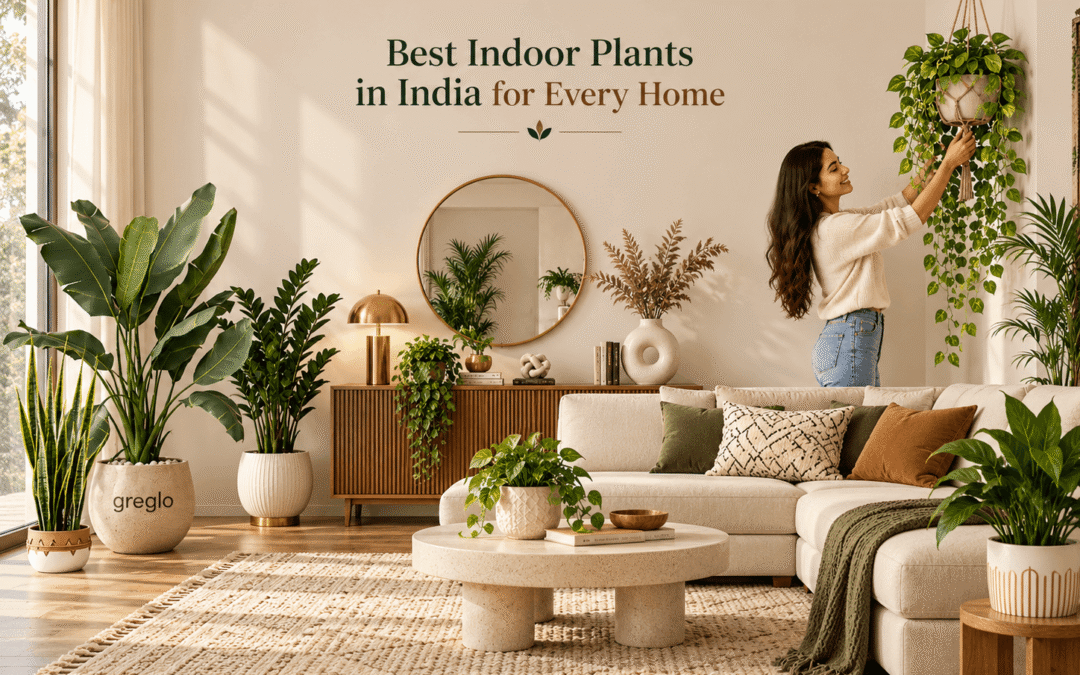
Choosing the best indoor plants can help you bring greenery into your home, even if you have limited space or little gardening experience. From attractive foliage plants to easy-care varieties, there are many indoor plants in India that can grow well in apartments, bedrooms, living rooms, and workspaces.
The right plant depends on the light available in your home, your watering routine, and the space you can provide. Some plants tolerate lower light and occasional missed watering, while others need brighter conditions and more consistent care.
In this guide, discover popular houseplants for Indian homes, how to choose the right variety, and how to keep your indoor garden healthy.
Best Indoor Plants for Indian Homes
Here are some popular indoor plants to consider for different home environments.
1. Money Plant
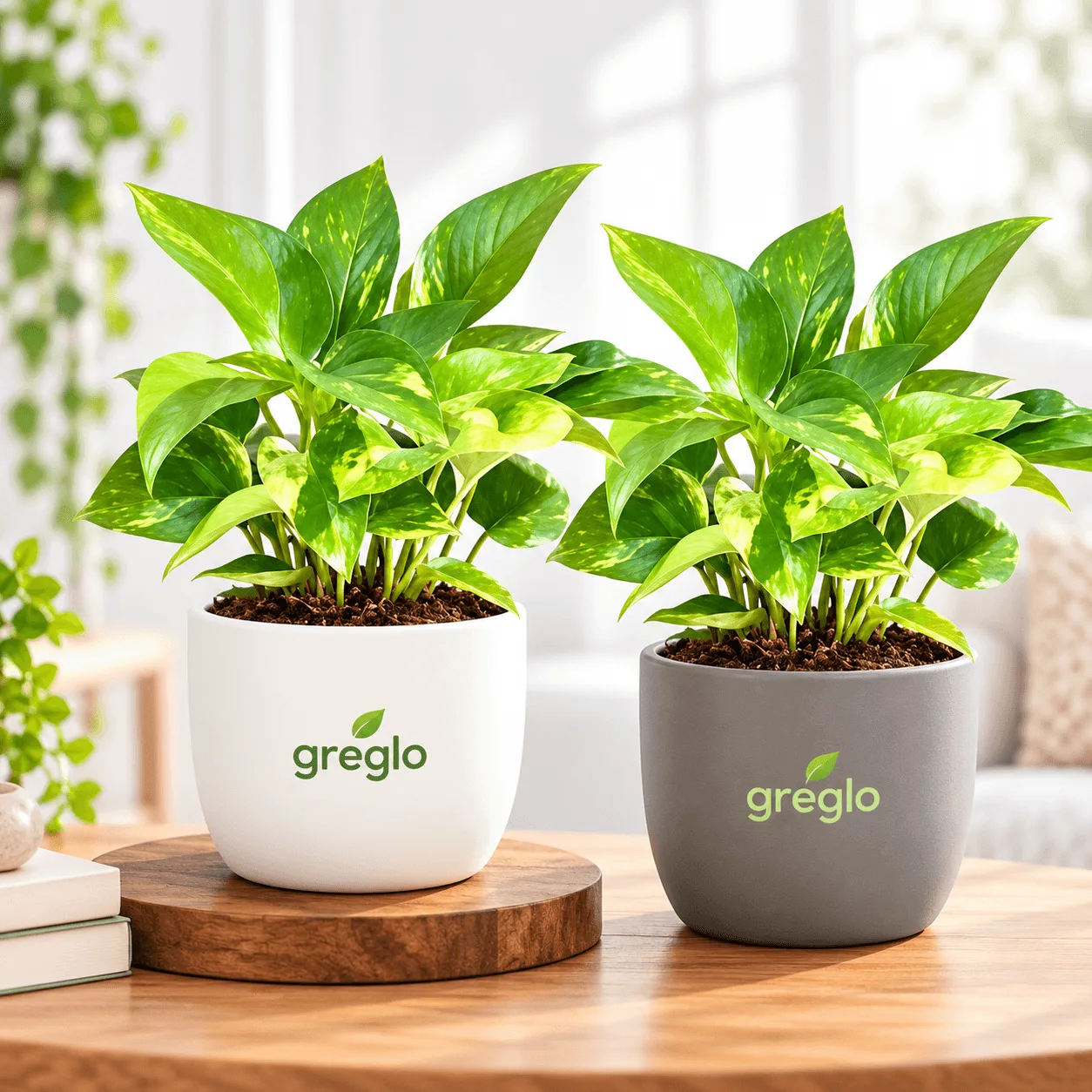
Money plant, commonly grown as pothos, is a popular choice for beginners because of its trailing vines and attractive foliage. It can be placed on shelves, in hanging containers, or in pots near a bright window.
Care tips:
-
- Provide bright, indirect light for good growth.
- Allow the upper layer of the potting mix to dry before watering.
- Use a pot with drainage holes.
- Trim long vines when necessary to maintain the shape.
Money plants can tolerate some lower light, but growth and leaf colour may be better with sufficient indirect light.
2. Snake Plant
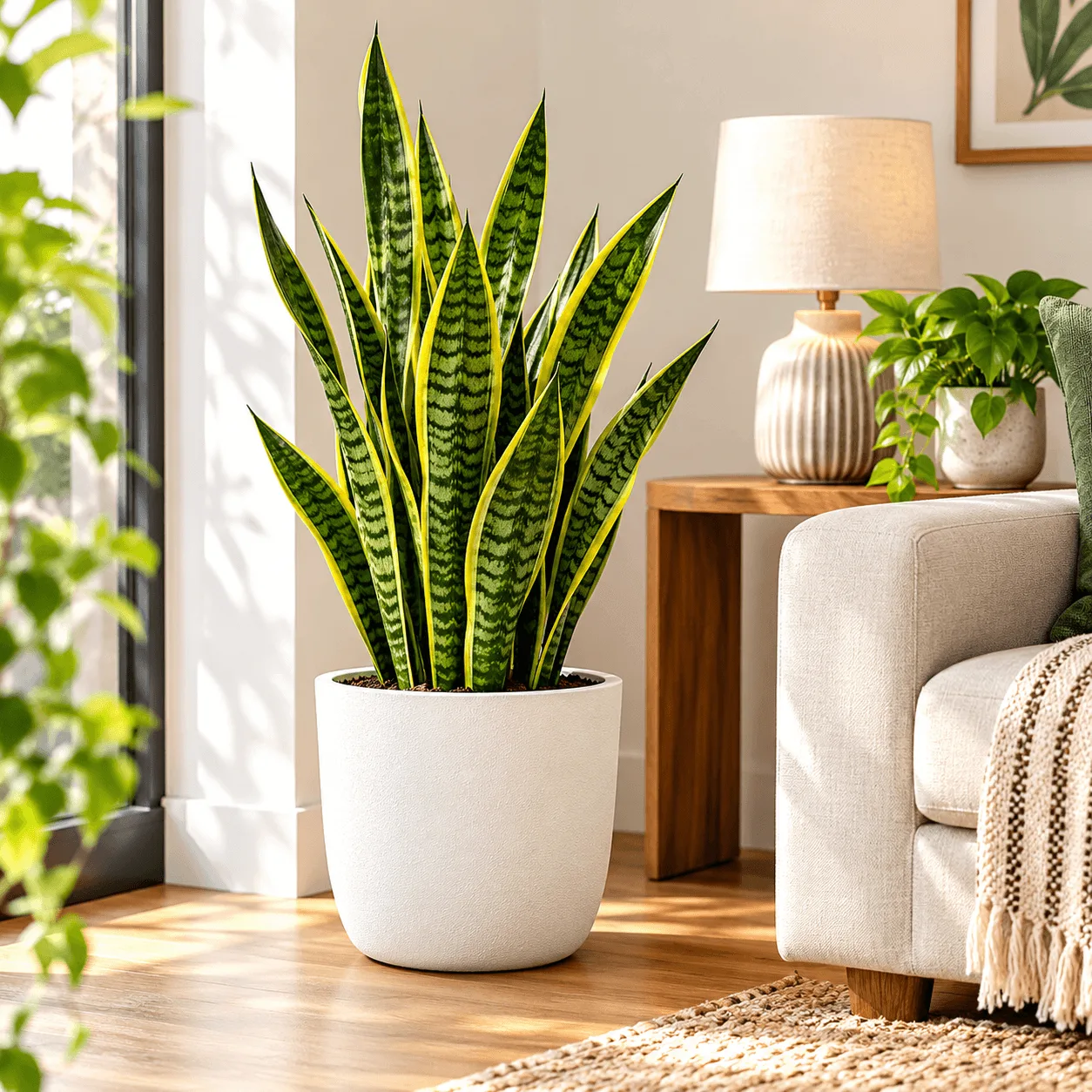
Snake plants have upright, pointed leaves that add structure to indoor spaces. They are well suited to people who prefer plants that do not need frequent watering.
Care tips:
-
- Place in bright, indirect light or a suitable lower-light location.
- Let the potting mix dry thoroughly between waterings.
- Use a well-draining growing medium.
- Avoid leaving water in the pot's saucer.
Snake plants are a practical option for beginners, offices, and living rooms.
3. Peace Lily
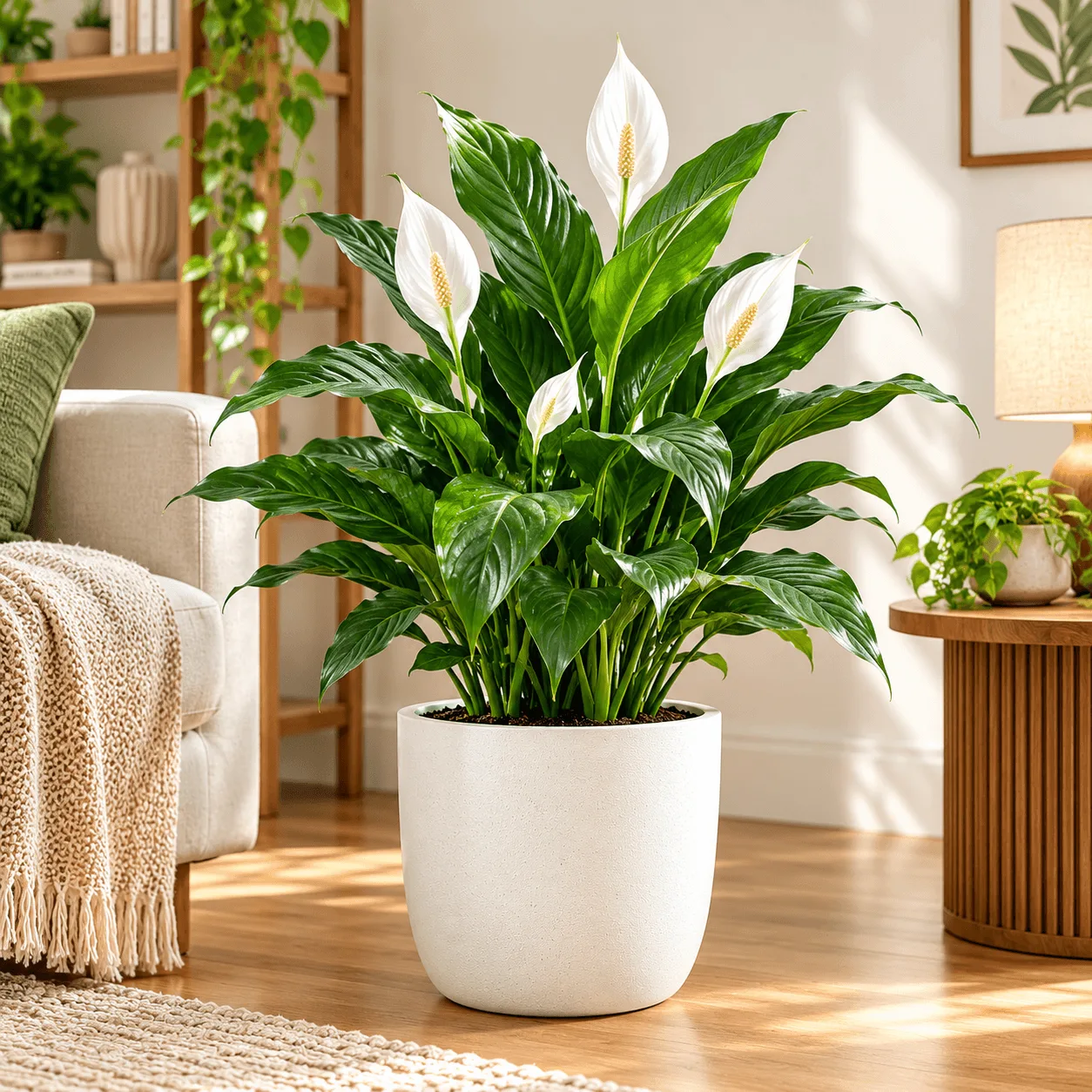
Peace lilies have broad green leaves and distinctive white spathes. They can add an attractive focal point to a room with bright, indirect light.
Care tips:
-
- Avoid strong direct sunlight.
- Keep the growing medium lightly and evenly moist without waterlogging.
- Check the soil before watering.
- Wipe dust from the leaves when needed.
Peace lilies are toxic if chewed, so keep them away from pets and children who might ingest plant material.
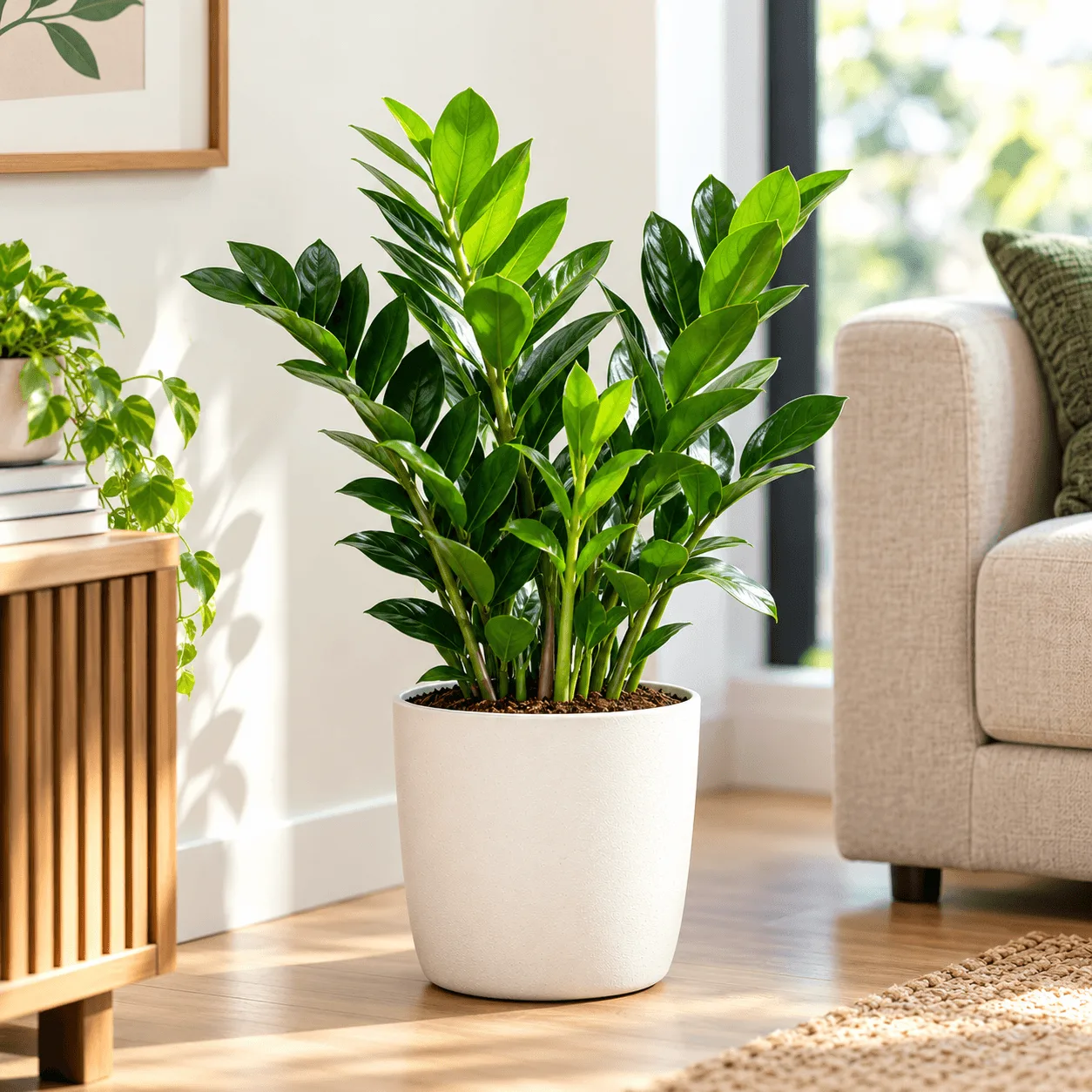
4. ZZ Plant
The ZZ plant has glossy, dark green leaves and can tolerate lower light better than many houseplants. Its thick underground rhizomes store water, so it generally needs less frequent watering.
Care tips:
-
- Grow in indirect light or moderate lower-light conditions.
- Allow the potting mix to dry well between waterings.
- Ensure excess water drains freely.
- Avoid frequent watering when the mix is still wet.
ZZ plants are suitable for people who want an attractive plant with relatively simple care needs.
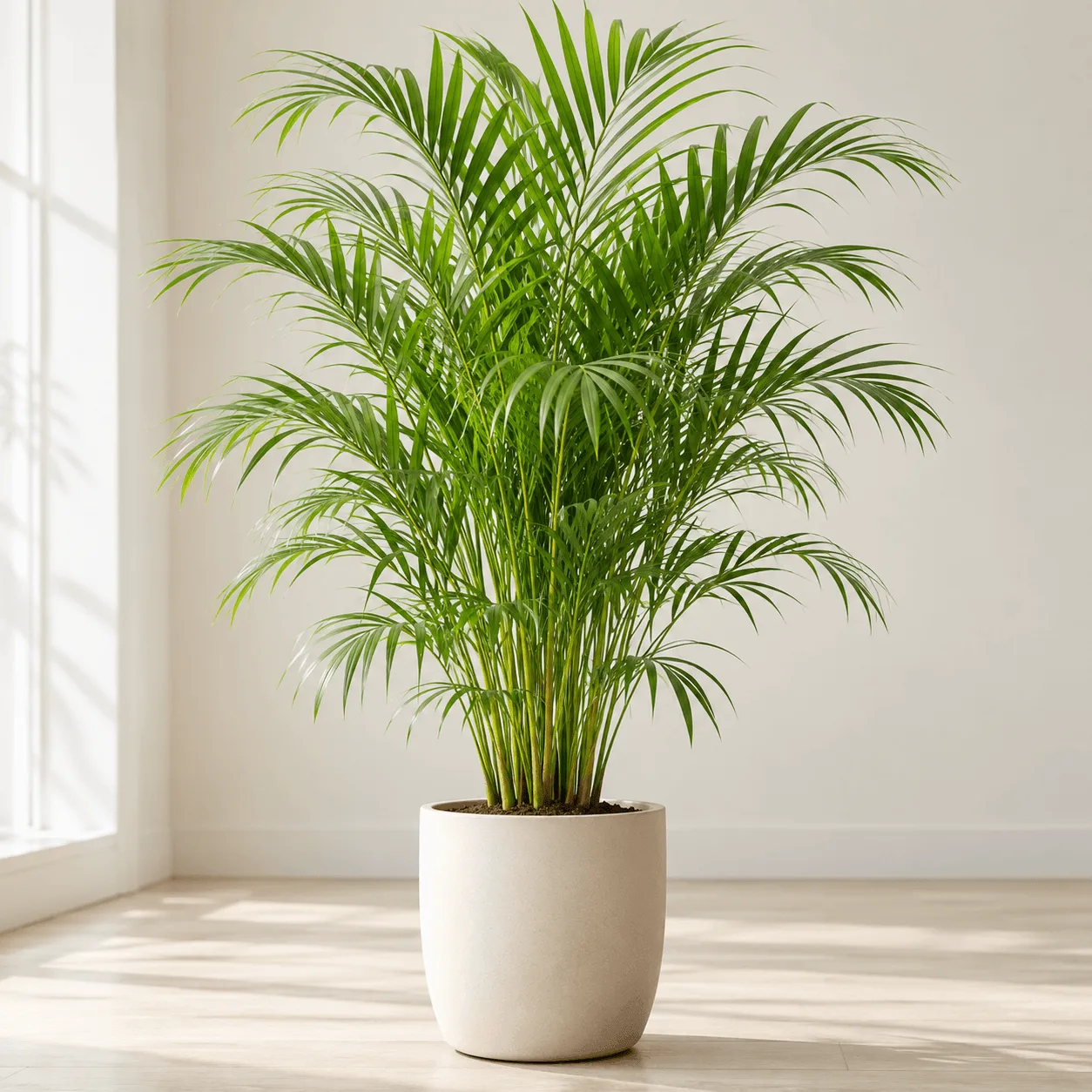
5. Areca Palm
Areca palm is a popular choice for living rooms and other spacious areas because of its feathery leaves. It creates a tropical look and works well as a larger indoor plant when the conditions are suitable.
Care tips:
-
- Provide bright, indirect light.
- Water when the upper layer of the growing medium begins to dry.
- Use a pot with good drainage.
- Keep it away from harsh afternoon sunlight and strong air-conditioning airflow.
Allow enough space for the plant to spread as it grows.
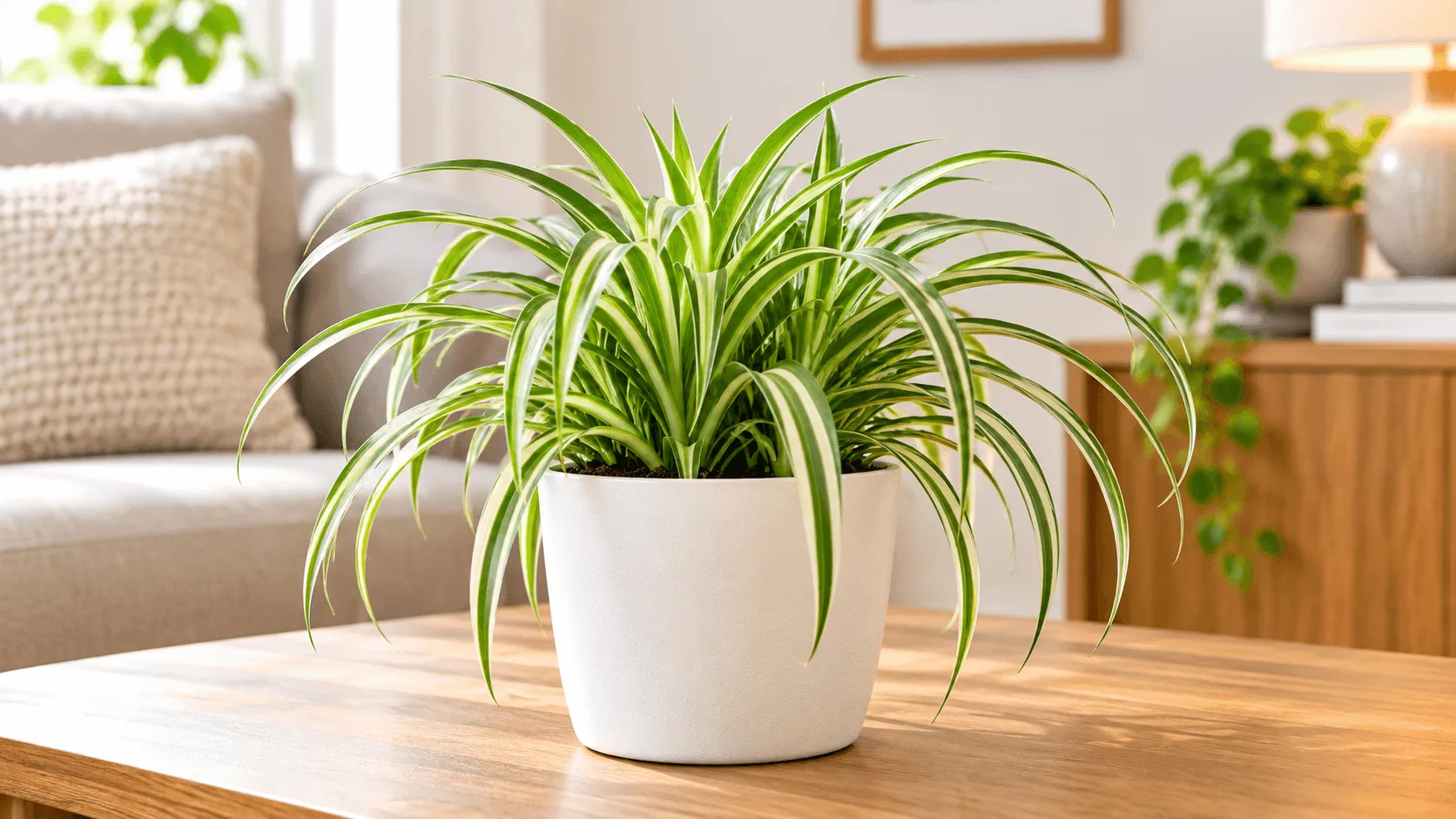
6. Spider Plant
Spider plants have narrow, arching leaves and can produce small plantlets on long stems. They suit shelves, plant stands, and hanging containers.
Care tips:
- Provide bright, indirect light.
- Water when the upper layer of the mix begins to dry.
- Avoid prolonged waterlogging.
- Remove dry or damaged leaf tips as needed.
Spider plants are a good option for adding foliage to compact indoor spaces.
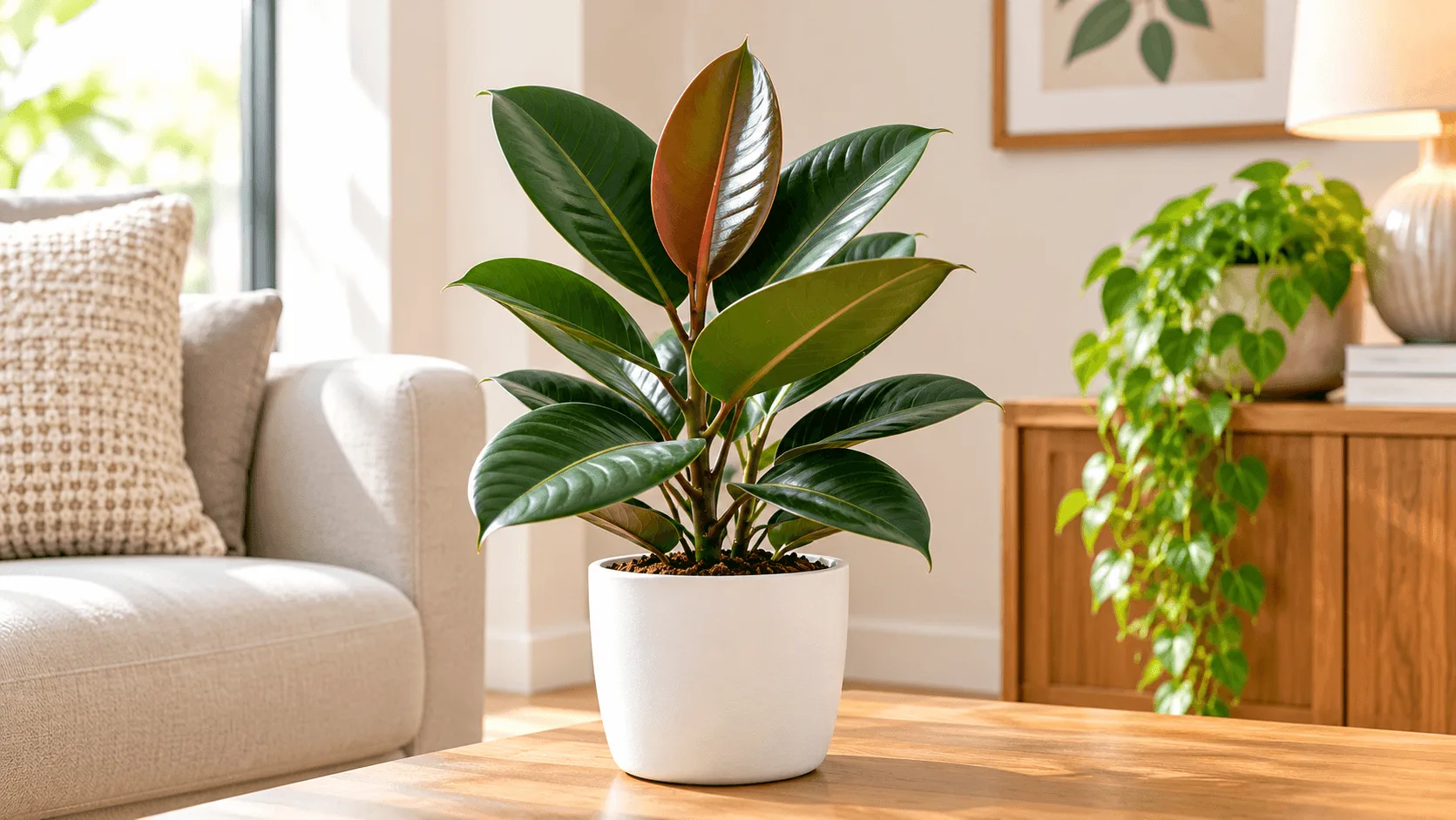
7. Rubber Plant
Rubber plants have large, glossy leaves and can grow into striking indoor specimens. They are best for spaces with adequate light and room for a larger pot.
Care tips:
-
- Place in bright, indirect light.
- Water after checking the moisture level of the growing medium.
- Keep the leaves free from dust.
- Rotate the pot occasionally for more even growth.
The plant's milky sap can irritate skin, so take care when pruning and keep cuttings away from children and pets.
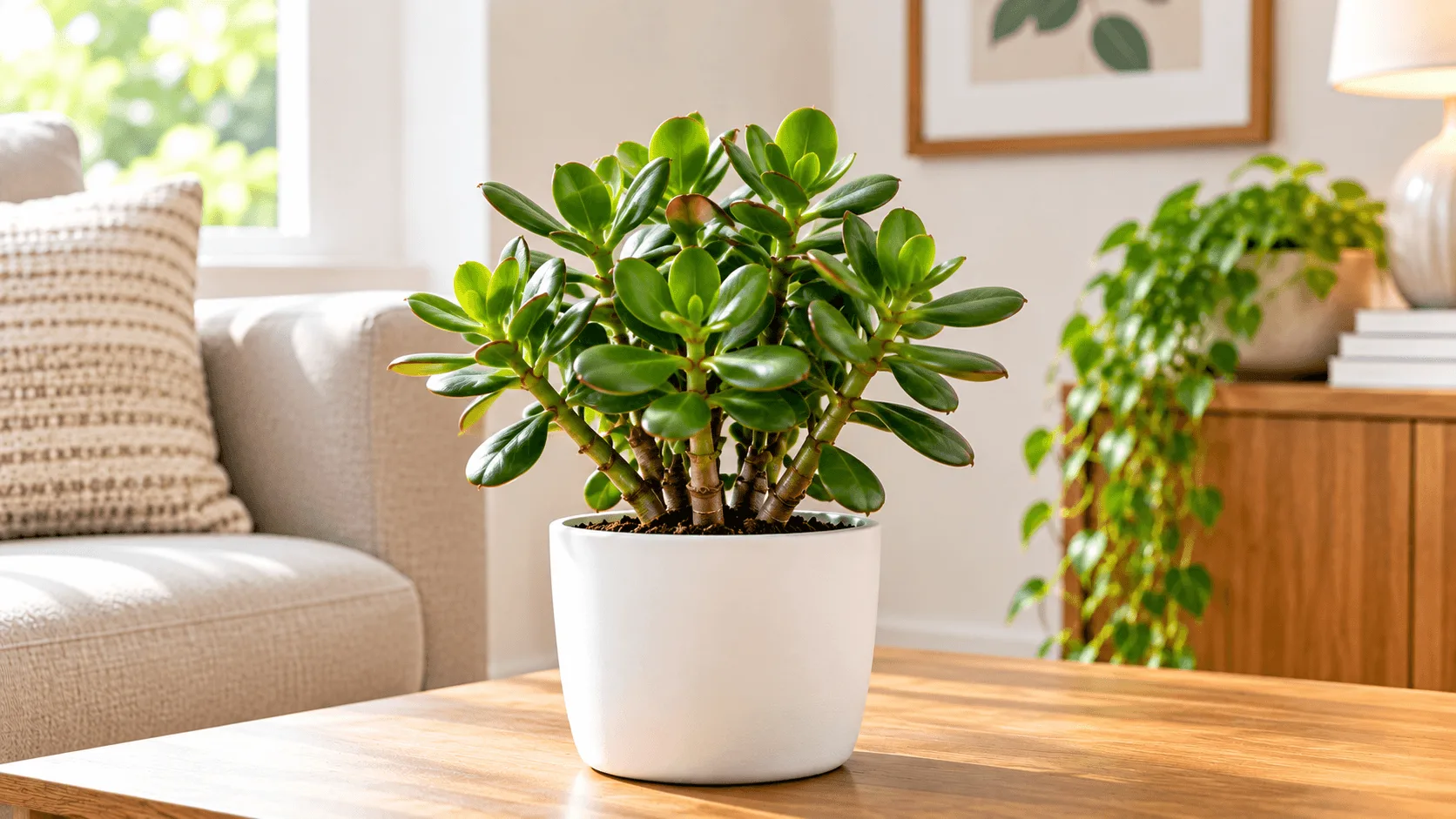
8. Jade Plant
Jade plants are succulents with thick leaves and sturdy stems. They need brighter light than many traditional foliage houseplants, so place them near a bright window.
Care tips:
-
- Provide several hours of bright light, with direct sun introduced gradually if appropriate.
- Use a freely draining succulent mix.
- Let the growing medium dry between waterings.
- Avoid keeping the roots constantly wet.
Jade plants are best for homes with a sunny window rather than dark corners.
Best Indoor Plants for Beginners
If you are new to gardening, start with varieties that match your home's light and your watering habits. Consider these options:
| Plant | Light preference | Watering approach |
| Money plant | Bright, indirect to moderate light | Water when the upper mix dries |
| Snake plant | Bright, indirect to lower light | Let the mix dry thoroughly |
| ZZ plant | Indirect to lower light | Allow the mix to dry well |
| Spider plant | Bright, indirect light | Water when the upper mix dries |
| Peace lily | Bright, indirect light | Maintain light, even moisture |
These are general guidelines. Pot size, temperature, humidity, and growing-medium composition can change how quickly a plant needs water.
Best Indoor Plants for Low-Light Areas
Some indoor plants tolerate lower light, making them useful for rooms that do not receive strong natural sunlight.
Popular options include:
- Snake plant: Tolerates lower light, although growth may slow.
- ZZ plant: Adapts to lower light and generally needs infrequent watering.
- Money plant: Can grow in moderate light, but variegated leaves may lose some colour in dim conditions.
- Peace lily: Can tolerate moderate light, though flowering may decrease when light is insufficient.
Low-light tolerance does not mean a plant can thrive in complete darkness.
If a room receives very little daylight, consider a suitable grow light or move the plant periodically to a brighter location.
For more detailed recommendations, link to Greglo's supporting article on low light indoor plants once published.
How to Choose the Best Indoor Plants for Your Home
Before choosing an indoor plant, consider these factors:
1. Check the Available Light
Choose plants based on the room’s natural light. Jade plants need brighter light, while snake plants tolerate lower light.
2. Consider Your Space
Use small plants for shelves and desks, and larger plants like areca palms for spacious areas.
3. Match Your Routine
Choose low-maintenance plants like snake plants or ZZ plants if you prefer less frequent watering.
4. Check Plant Safety
Some houseplants are toxic if chewed. Check plant safety before bringing them into homes with children or pets.
Common Mistakes to Avoid When Growing Indoor Plants
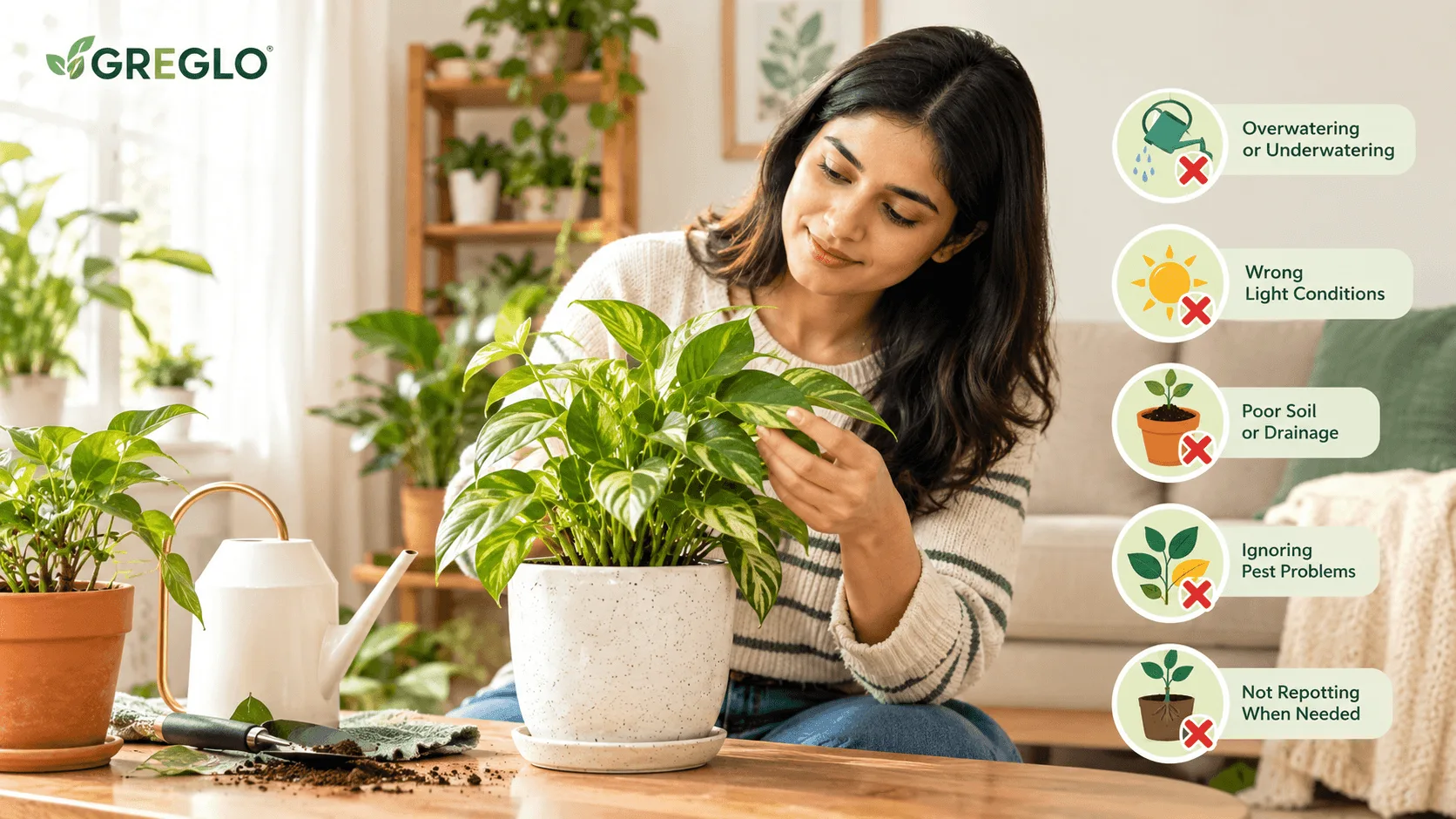
Avoid these common mistakes to give your houseplants a better chance of healthy growth.
- Overwatering: Check soil moisture rather than watering automatically every day.
- Insufficient light: Move plants closer to suitable natural light or use a grow light when needed.
- Poor drainage: Use pots with drainage holes and avoid standing water.
- Using the same mix for every plant: Succulents usually need a more freely draining medium than moisture-loving foliage plants.
- Overfertilising: Follow the fertiliser label and avoid applying extra nutrients to solve problems without identifying the cause.
- Ignoring pests: Inspect new plants before placing them near your existing collection.
Frequently Asked Questions
1. Which are the best indoor plants in India?
Money plants, snake plants, ZZ plants, spider plants, peace lilies, and areca palms are popular choices. The best option depends on light, space, watering habits, and household safety.
2. Which indoor plants need less maintenance?
Snake plants and ZZ plants are often considered low-maintenance because they tolerate some neglect and do not require frequent watering. They still need adequate light and well-draining soil.
3. Can indoor plants grow in small apartments?
Yes. Choose compact varieties, use shelves or hanging containers where appropriate, and select plants according to the light available in the apartment.