
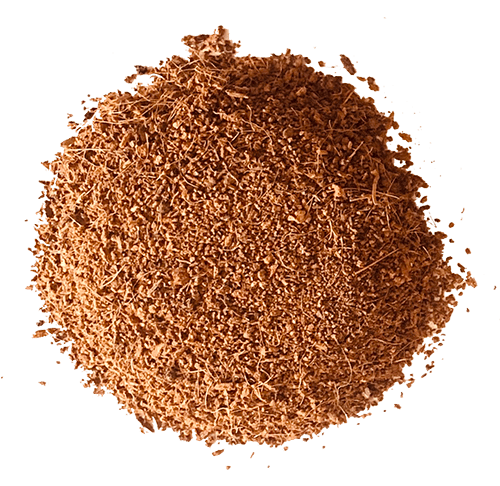
Modern gardening and agriculture are rapidly shifting toward sustainable and eco-friendly practices. With increasing awareness about soil degradation, water scarcity, and climate change, growers are searching for renewable alternatives to traditional growing media. Coir Pith has emerged as one of the most reliable and environmentally responsible solutions in this transition. Derived from coconut husks, it transforms what was once considered waste into a highly valuable agricultural resource.
Unlike synthetic soil conditioners, this natural material is biodegradable, renewable, and safe for the environment. Its production supports recycling within the coconut industry, reducing overall waste while adding economic value. As sustainable agriculture becomes more than just a trend, growers worldwide are recognizing the importance of natural inputs that enhance productivity without harming ecosystems.
Enhancing Soil Structure and Aeration
Healthy soil structure is the foundation of productive farming. The structure of Coir Pith allows it to create an ideal balance between air and moisture in the root zone. Its fibrous and porous composition improves aeration, preventing soil compaction and encouraging stronger root development.
Plants thrive when roots have access to oxygen, and poor soil aeration often leads to stunted growth. By loosening dense soils and improving texture, this material helps roots expand freely and absorb nutrients efficiently. Whether used in open fields, greenhouses, or container gardening, it contributes to better soil performance and consistent crop growth.
Improved aeration also reduces the risk of fungal infections caused by waterlogged conditions. This makes it especially valuable in regions with heavy rainfall or intensive irrigation systems.
Superior Water Retention Capabilities
Water management is a critical challenge in agriculture today. With irregular rainfall patterns and rising irrigation costs, farmers must use water efficiently. One of the primary reasons farmers are turning to Coir Pith as a growing medium is its exceptional water retention capacity.
It can hold several times its weight in water while still maintaining proper drainage. This unique combination ensures that plant roots receive consistent moisture without becoming oversaturated. As a result, crops experience less water stress, even during dry periods.
For commercial growers, better water retention translates into reduced irrigation frequency and lower operational costs. For home gardeners, it means healthier plants with less effort. In both cases, efficient moisture management leads to improved yields and better-quality produce.
Supporting Sustainable Agriculture Practices
Sustainability is no longer optional in modern farming—it is essential. Growers choose Coir Pith because it aligns perfectly with organic and sustainable farming principles. Being a by-product of coconut processing, it is renewable and widely available in tropical regions.
Unlike peat moss, which involves environmentally damaging extraction processes, this alternative offers a more responsible solution. Its use helps reduce dependence on non-renewable resources and supports circular economy practices.
Additionally, it is free from harmful pathogens and weed seeds when processed properly. This ensures a clean growing environment, which is particularly important in organic farming systems. By integrating sustainable inputs into cultivation practices, farmers can protect soil health for future generations.
Ideal Medium for Modern Horticulture
Horticulture has evolved significantly with the rise of hydroponics, greenhouse cultivation, and vertical farming. GREGLO ensures that Coir Pith meets the quality standards required for these advanced growing systems.
Its consistent texture and balanced pH make it suitable for seed starting, potting mixes, and soilless cultivation. Because it provides stability to plant roots while maintaining optimal moisture levels, it is widely used in nurseries and commercial plant production units.
In hydroponic systems, uniformity is essential. A high-quality growing medium must deliver predictable results, and this is where reliable processing and grading become crucial. By maintaining strict quality control, suppliers like GREGLO support growers who demand performance and consistency.
Improving Crop Yield and Root Development
Stronger roots lead to healthier plants and higher yields. When compared with peat moss, Coir Pith offers better structural resilience and long-term performance in the root zone. It does not break down quickly, allowing it to maintain porosity over extended growing cycles.
Healthy roots absorb nutrients more effectively, resulting in improved plant vigor. This directly influences crop productivity, fruit size, and overall quality. Farmers cultivating vegetables, fruits, flowers, and plantation crops benefit from its ability to create a supportive environment for root expansion.
Moreover, it enhances nutrient retention when combined with fertilizers. Instead of nutrients leaching away, they remain available near the root system for gradual absorption. This improves fertilizer efficiency and reduces input waste.
A Smart Choice for Climate-Resilient Farming
Climate change is forcing farmers to adapt quickly. Erratic weather patterns, soil erosion, and water shortages demand innovative solutions. By incorporating Coir Pith into soil management strategies, growers can build resilience against environmental stress.
Its moisture-holding capacity helps plants survive short-term drought conditions, while improved drainage protects roots during heavy rainfall. This adaptability makes it suitable for diverse climatic regions.
Additionally, its lightweight nature reduces transportation costs and simplifies handling in large-scale operations. Whether used in grow bags, soil amendments, or potting blends, it contributes to flexible and climate-smart agricultural systems.
The Role of Quality Suppliers in Global Demand
As global demand for sustainable growing media rises, quality standards become increasingly important. Reliable processing ensures low electrical conductivity levels, balanced pH, and uniform particle size. These factors determine performance in professional cultivation.
By focusing on innovation and strict quality control, GREGLO supports international growers who require dependable products. From export-grade blocks to customized blends, maintaining consistency is key to meeting the expectations of modern agriculture.
Quality assurance not only benefits farmers but also strengthens trust in global trade networks. As awareness continues to grow, partnerships between producers and cultivators will shape the future of sustainable farming inputs.
Conclusion
The transformation of agriculture toward sustainability requires thoughtful choices at every stage of cultivation. From improving soil structure and conserving water to supporting climate resilience, the importance of Coir Pith will continue to expand in the years ahead.
Its renewable nature, versatility, and performance advantages make it a practical solution for both small-scale gardeners and commercial farming enterprises. With trusted suppliers like GREGLO delivering consistent quality, growers can confidently integrate sustainable materials into their production systems.
As environmental challenges intensify, adopting responsible growing media is not just beneficial—it is necessary. By investing in natural and efficient solutions, the agricultural community can secure productivity while protecting the planet for future generations.
Frequently Asked Questions (FAQ)
1. Is this material suitable for all types of plants?
Yes, it is suitable for vegetables, fruits, flowers, ornamental plants, and even hydroponic systems. Its balanced properties support diverse cultivation needs.
2. How does it compare to traditional soil amendments?
It offers better water retention, improved aeration, and longer structural stability compared to many conventional soil conditioners.
3. Can it be reused for multiple growing cycles?
In many cases, it can be reused after proper treatment and nutrient replenishment, making it cost-effective and sustainable for long-term use.