
Climate change is no longer a distant concern for agriculture. Farmers across the world are facing unpredictable rainfall, prolonged droughts, rising temperatures, and soil degradation that directly affect crop productivity. Traditional cultivation methods are being challenged by changing environmental conditions, making it essential to adopt smarter and more adaptable growing solutions.
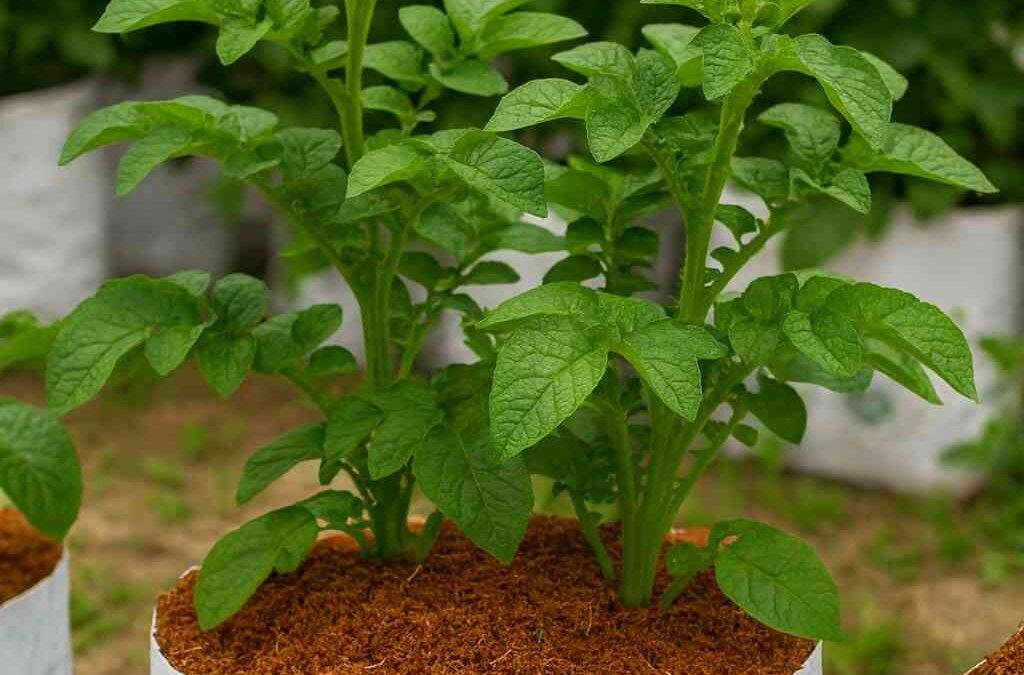
One innovation that has gained significant attention among commercial growers, greenhouse operators, and home gardeners is Grow bags. Designed to support healthier root systems while improving drainage and aeration, they help create a more controlled growing environment even when external conditions become less predictable.
At GREGLO, we believe resilient farming begins with dependable growing media and sustainable cultivation practices. By combining quality materials with practical farming knowledge, growers can better prepare their crops for today’s climate challenges while building long-term agricultural success.
Climate Resilience Begins with Better Root Environments
Healthy crops start beneath the surface. While weather conditions cannot be controlled, the environment surrounding plant roots can be optimized to reduce stress and improve plant performance.
Poor soil structure often leads to waterlogging after heavy rains or excessive drying during heatwaves. Both situations limit root development and reduce nutrient uptake. This directly affects plant growth, flowering, and final yields.
Grow bags create an independent root zone that remains more stable than conventional field soil. Their breathable fabric encourages air circulation, allowing excess moisture to escape while maintaining sufficient oxygen around the roots. This balance supports vigorous root development and helps plants recover more quickly from environmental stress.
For growers dealing with inconsistent weather patterns, this simple change in cultivation method can significantly improve crop reliability.
Managing Water More Efficiently During Climate Extremes
Water management has become one of the biggest priorities in modern farming. In many regions, rainfall patterns have become increasingly unpredictable, making irrigation planning more difficult than ever before.
One of the biggest advantages of Grow bags is their ability to improve drainage without sacrificing moisture retention. When paired with premium coco peat or balanced growing substrates, they create an ideal environment where roots receive both water and oxygen.
This efficient moisture balance offers several practical benefits:
- Reduced risk of root rot after heavy rainfall
- Better water-use efficiency during dry periods
- Improved nutrient absorption
- More consistent crop growth throughout the season
- Reduced irrigation waste
These advantages make them especially valuable for greenhouse cultivation, terrace farming, nurseries, and commercial vegetable production where irrigation efficiency directly impacts profitability.
Supporting Crops During Rising Temperatures
Increasing temperatures place considerable stress on agricultural crops. High soil temperatures can damage delicate roots, reduce microbial activity, and limit nutrient availability.
Root-zone health becomes even more important as heatwaves become more frequent.
Unlike dense plastic containers that often trap excessive heat, breathable cultivation systems encourage continuous airflow around the root area. This natural ventilation helps moderate temperature fluctuations while supporting healthier biological activity within the growing medium.
Grow bags also reduce soil compaction, allowing roots to expand freely instead of becoming restricted. Stronger root systems enable plants to absorb water more efficiently during hot weather, helping maintain healthier foliage and improved fruit development.
Sustainable Farming Requires Smarter Growing Solutions
Climate resilience is closely connected with sustainability. Modern agriculture is increasingly focused on reducing resource consumption while maintaining productivity.
Growers are looking beyond short-term yields and investing in cultivation methods that support long-term soil health, efficient water use, and responsible resource management.
At GREGLO, our growing solutions are developed with durability, consistency, and agricultural performance in mind. By providing reliable products for professional growers and global agricultural markets, we help support farming practices that align with both productivity goals and environmental responsibility.
How the Right Growing Medium Improves Crop Stability All Season
Selecting the right growing medium is just as important as choosing quality seeds or an efficient irrigation system. Even the most resilient crop varieties can struggle if roots are exposed to poor drainage, compacted soil, or inconsistent moisture levels.
When paired with premium coco peat or coco coir substrates, Grow bags create a balanced environment that supports healthy root activity throughout the growing cycle. The growing medium retains enough moisture for plant uptake while allowing excess water to drain efficiently. This balance minimizes stress caused by sudden weather changes and helps crops continue growing under less-than-ideal conditions.
Growers should also evaluate factors such as crop type, planting duration, irrigation method, and climate before selecting a growing medium. Matching these elements correctly leads to stronger plants, better nutrient efficiency, and more consistent harvests.
Best Practices for Using Grow Bags in Changing Weather Conditions
Maximizing performance requires more than simply selecting a quality product. Proper management ensures plants receive the full benefits of the growing system.
Experienced growers often follow these practical recommendations:
- Choose the correct bag size based on crop requirements.
- Use high-quality coco peat or blended growing media.
- Install efficient drip irrigation for uniform watering.
- Monitor moisture regularly instead of watering on fixed schedules.
- Avoid overcrowding plants to improve airflow.
- Inspect drainage openings throughout the season.
- Replace worn growing media when necessary for long-term productivity.
These straightforward practices help reduce environmental stress while supporting healthier plant development throughout different growing seasons.
Why GREGLO Delivers Reliable Solutions for Modern Agriculture
Climate-resilient farming begins with dependable agricultural inputs. Every component, from the growing medium to the cultivation container, contributes to crop performance and operational efficiency.
At GREGLO, we focus on manufacturing premium agricultural products that meet the expectations of growers across diverse climates and cultivation systems. Our products are developed using carefully selected raw materials and consistent quality standards to support professional farming, greenhouse cultivation, nurseries, and export markets.
Whether the goal is improving water efficiency, encouraging healthier root systems, or creating more sustainable farming practices, Grow bags from GREGLO are designed to provide durability, consistent performance, and long-term value.
Frequently Asked Questions
1. Can grow bags be used for both open-field and protected cultivation?
Yes. They are suitable for a wide range of farming environments, including open fields, greenhouses, shade nets, terrace gardens, and hydroponic systems. The key is selecting the appropriate size and growing medium based on the crop and cultivation method.
2. Which crops perform best in grow bags?
Many crops thrive in this cultivation system, including tomatoes, capsicum, cucumbers, strawberries, leafy greens, herbs, flowers, and ornamental plants. They are also widely used in nurseries and commercial horticulture because they promote healthier root development and simplify crop management.
3. How can growers maximize the lifespan of grow bags?
Proper care makes a significant difference. Use high-quality growing media, ensure adequate drainage, avoid overloading each bag, clean them after every growing cycle if they are reusable, and store them in a dry, shaded location when not in use. Regular inspection also helps identify wear before it affects crop performance.
Conclusion
Climate-resilient farming is no longer just an option, it is a necessity for growers who want to maintain productivity in the face of changing weather patterns and environmental challenges. Building stronger root systems, improving water efficiency, and adopting sustainable cultivation methods are practical steps that can make farms more adaptable and profitable over the long term.
At GREGLO, we are dedicated to supporting modern agriculture with reliable growing solutions that meet the needs of both commercial growers and horticultural professionals.
By choosing high-quality cultivation products and implementing proven farming practices, growers can reduce climate-related risks, improve crop performance, and work toward a more sustainable future