
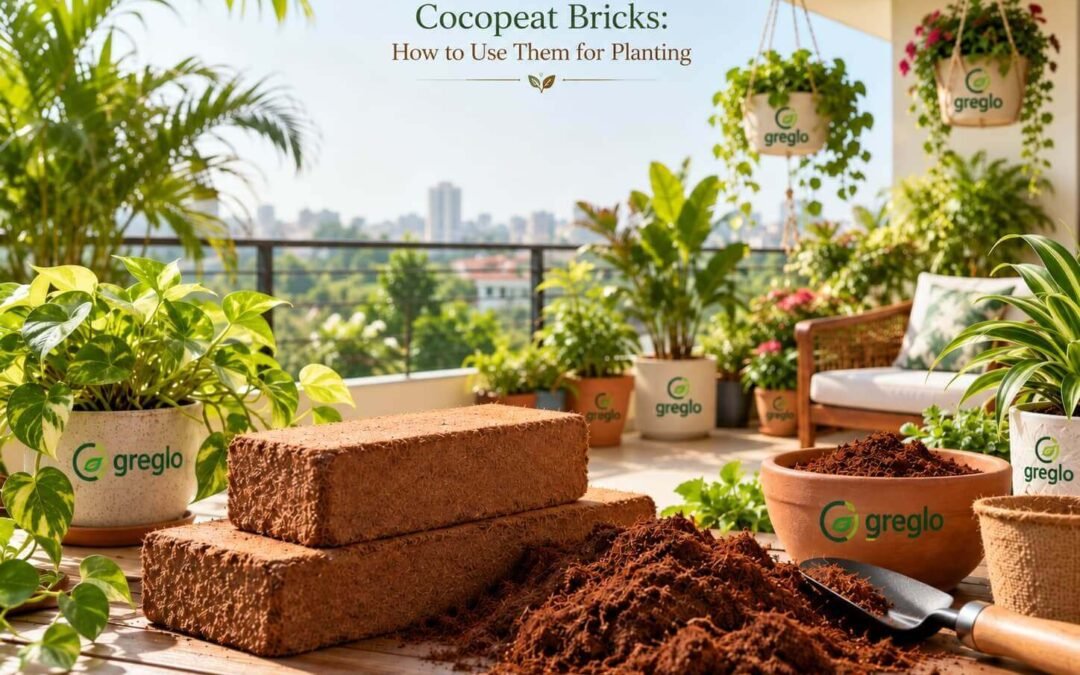
Cocopeat bricks are compressed blocks of coconut coir pith that expand when water is added. They provide a lightweight growing medium that helps retain moisture and can be mixed with other materials for growing plants in pots, grow bags, and home gardens.
For home gardeners, a cocopeat 650g brick is a convenient option when storage space is limited or only a small quantity of growing medium is needed. Before using it, you need to hydrate the brick properly, loosen the material, and prepare a suitable mix for your plants.
What Are Cocopeat Bricks?
Cocopeat bricks are made from processed coconut husk fibres. The coir pith is dried and compressed into a compact shape to make transportation and storage easier.
When soaked in water, the compressed material absorbs moisture and expands into a loose, soil-like growing medium.
Cocopeat bricks are available in different weights and sizes. Smaller bricks are convenient for home gardening, while larger compressed blocks may be suitable for nurseries and commercial growing operations.
Common Uses of Cocopeat Bricks
- Preparing potting mixes for indoor and outdoor plants
- Growing vegetables in containers and grow bags
- Starting seeds and raising seedlings
- Improving moisture retention in suitable growing mixes
- Preparing growing media for nurseries and terrace gardens
How to Expand Cocopeat Bricks
- Place the Brick: Put the cocopeat brick in a large bucket or container.
- Add Water: Add clean water according to the product instructions.
- Allow Expansion: Let the brick absorb water until it softens.
- Break It Apart: Loosen the expanded cocopeat and remove any compacted pieces.
- Check Moisture: Ensure the cocopeat is evenly moist, not waterlogged.
How to Use Cocopeat Bricks for Plants

1. For Indoor Plants
Cocopeat for indoor plants helps the growing medium retain moisture. However, moisture retention alone does not guarantee healthy roots.
Mix cocopeat with materials such as compost and perlite, coarse material, or another suitable aeration component according to the plant's needs. Choose a container with drainage holes to help prevent excess water from collecting around the roots.
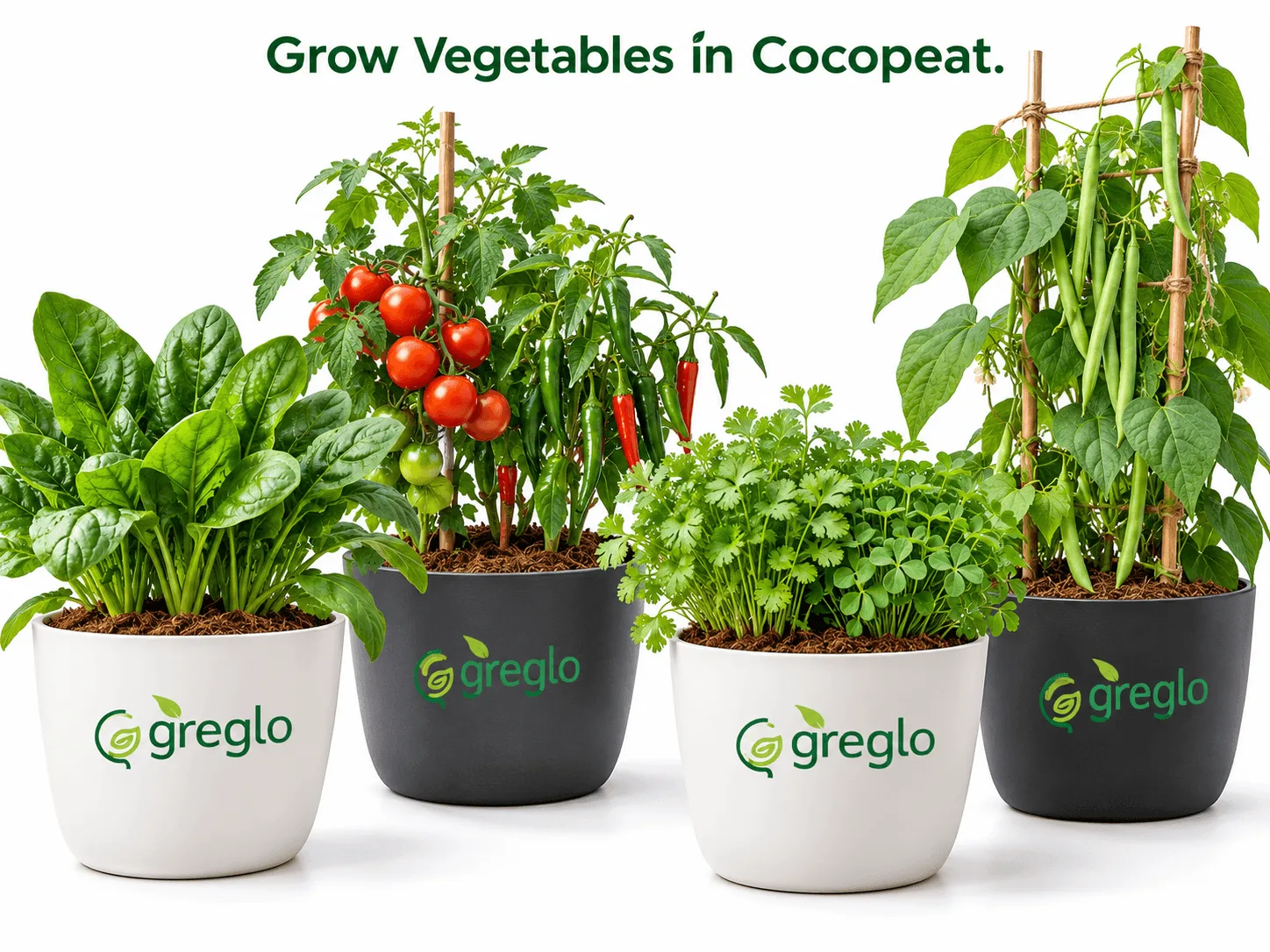
2. For Vegetables in Grow Bags
Expanded cocopeat can be used in growing mixes for tomatoes, chillies, leafy greens, and other container vegetables.
Combine it with mature compost and suitable aeration materials. For plants that need more nutrients, use an appropriate fertiliser programme based on the crop and growing stage.
A good cocopeat growing medium should retain enough water while allowing excess water to drain and air to reach the roots.
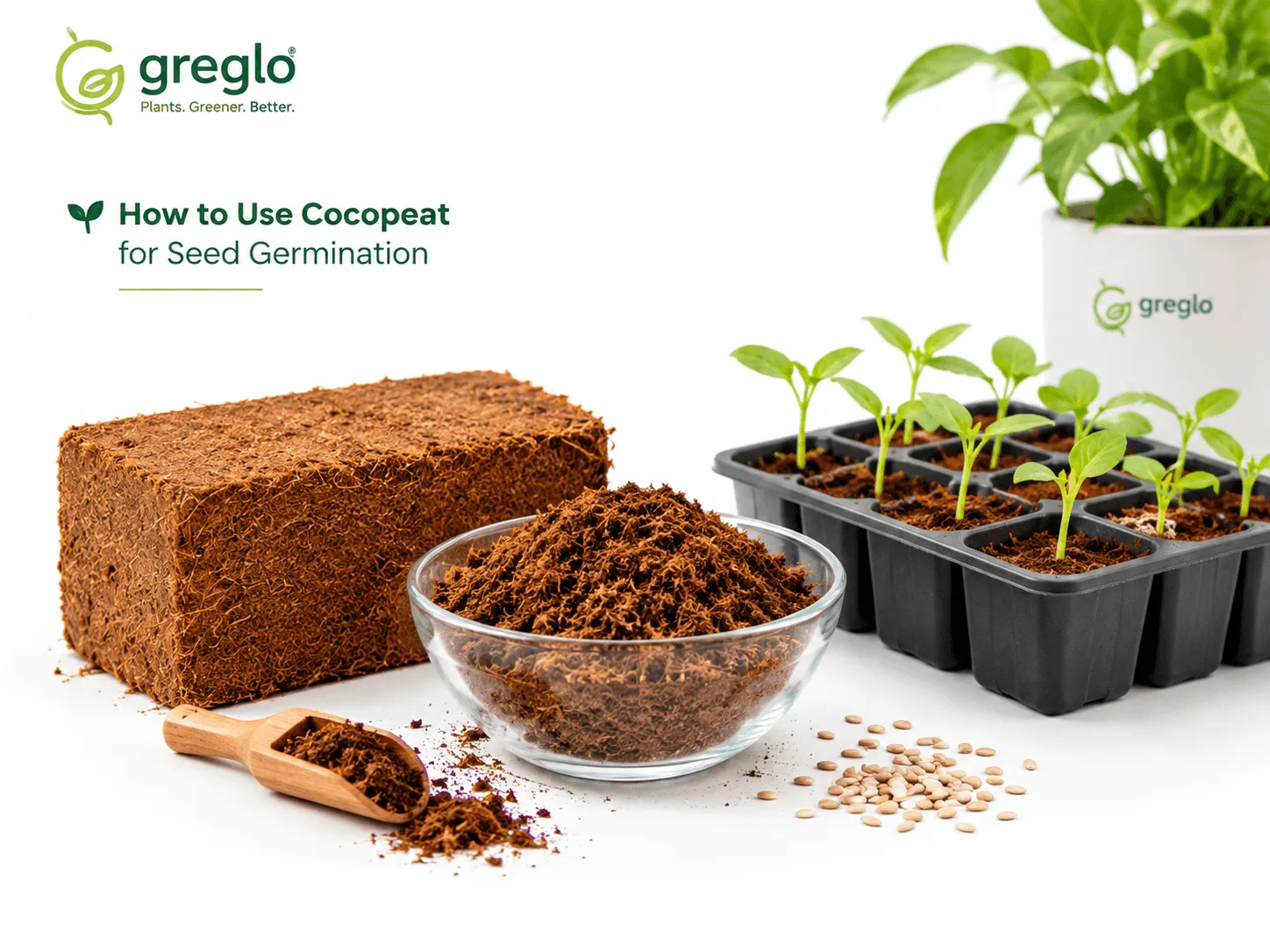
3. For Seed Germination
Fine, clean cocopeat can be useful for starting seeds because it holds moisture around the seed.
Fill a seed tray with lightly moistened cocopeat, sow seeds at the depth recommended for the crop, and keep the medium evenly moist. Avoid saturating the tray.
Cocopeat seed germination alone may support early germination, but seedlings need suitable nutrients as they grow. Transplant them into a more complete growing mix at the appropriate stage.
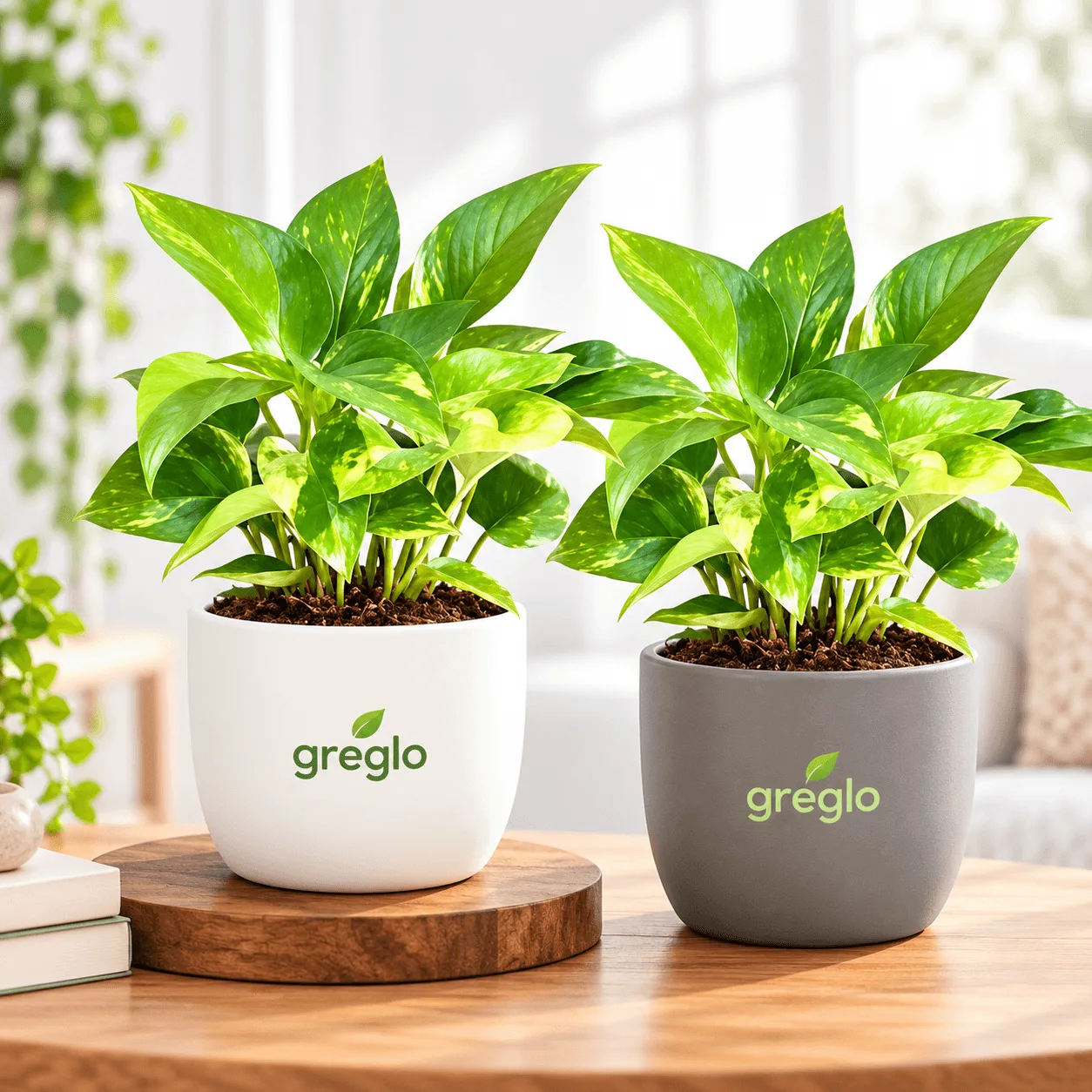
4. For Terrace and Balcony Gardens
Cocopeat bricks are practical for terrace and balcony gardeners because the compressed product is easy to store before use.
After hydration, mix the cocopeat with compost and other suitable ingredients for your containers. Select a mix that balances moisture retention, aeration, and drainage for the plants you are growing.
Cocopeat Brick vs Cocopeat 5kg Block
Both products are compressed coconut coir growing media.
The main differences are typically size, quantity, storage needs, and the amount of medium required for a gardening project.
| Feature | Cocopeat brick | Cocopeat 5kg block |
| Typical format | Smaller compressed unit | Larger compressed block |
| Best suited for | Small gardens and limited use | Larger gardens, grow bags, and bulk preparation |
| Storage | Convenient for small spaces | Requires more storage space |
| Preparation | Hydrate and loosen before use | Hydrate and loosen before use |
| Final volume | Depends on product specifications | Depends on product specifications |
Cocopeat Bricks vs Soil and Compost
Cocopeat, garden soil, and compost perform different functions.
- Cocopeat helps retain moisture and provides a lightweight growing-medium component.
- Garden soil provides mineral material, but its texture and drainage can vary considerably.
- Compost contributes organic matter and nutrients, depending on its quality and maturity.
For many container plants, a suitable combination of these materials or a purpose made potting mix can work better than using cocopeat alone.
The proportions should be adjusted to the plant's requirements and the properties of the ingredients.
What to Check Before Buying Cocopeat Bricks
Before purchasing cocopeat bricks, review these important factors.
1. Expansion Yield
Check the stated expanded volume rather than judging value by compressed size alone. Actual expansion varies between products.
2. EC and Salt Content
Electrical conductivity (EC) indicates the level of soluble salts in the growing medium. Salt-sensitive crops may require carefully processed, washed, or buffered cocopeat.
Check the product specifications and suitability for your intended crop.
3. Texture and Quality
Look for consistent material without excessive unwanted debris. Fine cocopeat and coarser coir products have different properties, so select the texture appropriate for your growing application.
4. Product Weight and Packaging
Compare the net weight, packaging, expansion information, and intended use. For repeated or commercial use, ask the supplier for relevant quality specifications.
5. Intended Application
A brick intended for general gardening may not automatically meet the requirements of every commercial crop or hydroponic system. Match the product's specifications to your growing method.
Common Mistakes to Avoid
Avoid these mistakes when preparing and using cocopeat bricks:
- Using the brick without fully hydrating it: Dry compressed sections can remain inside the material.
- Adding too much water: Excess moisture can make handling difficult and may contribute to poor root-zone aeration in an unsuitable mix.
- Using cocopeat alone for every plant: Many plants need nutrients and a mix with appropriate structure.
- Ignoring drainage: Use containers with suitable drainage and avoid leaving roots in standing water.
- Assuming all bricks have the same quality: Processing, salt levels, texture, and expansion yield can differ.
- Estimating volume from weight alone: Use the supplier's stated expansion yield when planning a project.
Frequently Asked Questions
1. How long does a cocopeat brick take to expand?
Expansion time depends on the brick's compression, size, and the amount of water used. Follow the product instructions and check that the centre has softened before breaking it apart.
2. Can I use cocopeat bricks directly in pots?
Hydrate the brick first and loosen the material. For most potted plants, combine the cocopeat with suitable nutrient and aeration components rather than relying on cocopeat alone.
3. Is a cocopeat 650g brick suitable for home gardening?
A cocopeat 650g brick can be convenient for small gardens, a few pots, seed starting, and balcony gardening. Check its stated expansion yield to determine whether it will provide enough medium for your needs.