
Choosing the right growing medium is essential for healthy plants, especially when gardening in pots, grow bags, balconies and terraces. Cocopeat is a popular choice for home gardeners because it holds moisture, supports root development and helps create a lightweight growing medium.
Made from processed coconut husk, cocopeat is available in different forms, including cocopeat 5kg blocks, cocopeat 650g bricks and other coco coir products. Each format serves different gardening needs, from preparing larger quantities of potting mix to growing a few plants at home.
In this guide, you will learn about cocopeat's benefits, how to prepare it, how to use it for different plants and how to choose the right format for your garden.
What Is Cocopeat?
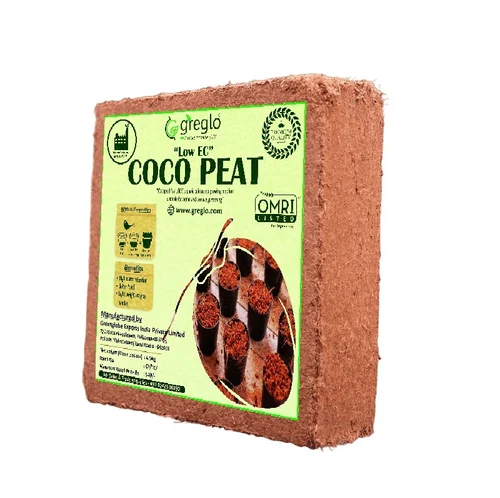
Cocopeat is a natural growing-medium material made from the fibrous husk of coconuts. It is commonly used in container gardening, seed starting, nursery growing and soilless cultivation.
It is valued for its ability to retain moisture while providing a lightweight medium for developing roots. Compressed cocopeat is also convenient to store and transport because it expands when water is added.
Cocopeat is one form of coco coir, a broader term that includes different materials obtained from coconut husks, such as coir fibre, coco chips and cocopeat.
What Are the Benefits of Cocopeat for Plants?
Using cocopeat as part of a suitable growing mix can offer several benefits.
1. Helps Retain Moisture
Cocopeat can absorb and hold water, helping keep the growing medium moist between watering sessions. This can be useful for plants grown in containers, where moisture levels may change quickly.
However, watering frequency still depends on the plant, pot size, weather and drainage.
2. Supports Root Development
A loose, well-prepared cocopeat mix can provide space for young roots to develop. Good root growth also depends on sufficient aeration, suitable nutrition and proper moisture management.
3. Lightweight for Container Gardening
Cocopeat is lightweight compared with many dense soil materials. It can be useful for balcony and terrace gardens where gardeners want a manageable growing medium for pots and grow bags.
4. Useful for Seed Germination
Cocopeat can help maintain consistent moisture around germinating seeds. Its fine texture makes it suitable for seed-starting mixes when combined with appropriate growing practices.
5. Convenient to Store
Compressed cocopeat blocks and bricks take up less storage space before hydration. This makes them practical for gardeners who need to prepare growing medium as required.
Cocopeat 5kg Blocks vs Cocopeat 650g Brickss?
Greglo's cocopeat formats can suit different gardening requirements. The best option depends on how much growing medium you need and how frequently you garden.
|
Feature |
Cocopeat 5kg Blocks |
Cocopeat 650g Bricks |
|
Best suited for |
Larger gardens and bulk preparation |
Small home gardens |
|
Typical use |
Filling multiple grow bags and pots |
Preparing mix for a few containers |
|
Storage |
Compact before hydration |
Convenient for small storage spaces |
|
Preparation |
Expand with water according to product instructions |
Expand with water according to product instructions |
|
Suitable users |
Frequent gardeners and larger growing setups |
Beginners and balcony gardeners |
The final expansion volume depends on the product's compression, moisture content and specifications. Check the product information before estimating how many pots or grow bags a block or brick will fill.
When Should You Choose Cocopeat 5kg Blocks?
Cocopeat 5kg blocks are worth considering when you need to prepare larger quantities of growing medium.
They can be useful for:
-
- Filling several vegetable grow bags.
- Preparing potting mix for a terrace garden.
- Starting multiple batches of vegetable seedlings.
- Maintaining a home nursery or a larger container garden.
If you regularly prepare growing mixes, a larger compressed block can reduce the need to purchase multiple small packs.
When Should You Choose Cocopeat 650g Bricks?
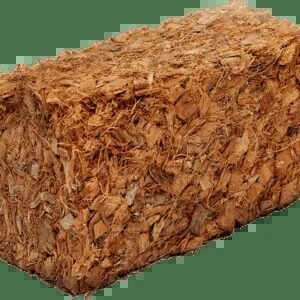
Cocopeat 650g bricks are a convenient option for smaller gardening tasks.
They can be useful for:
-
- Starting seeds in small trays.
- Preparing growing medium for a few pots.
- Growing herbs on a balcony.
- Refreshing the medium in selected containers.
- Trying cocopeat for the first time.
For beginners, a smaller brick can be a practical way to understand how cocopeat expands and behaves in a potting mix before preparing larger quantities.
How to Prepare Cocopeat for Planting
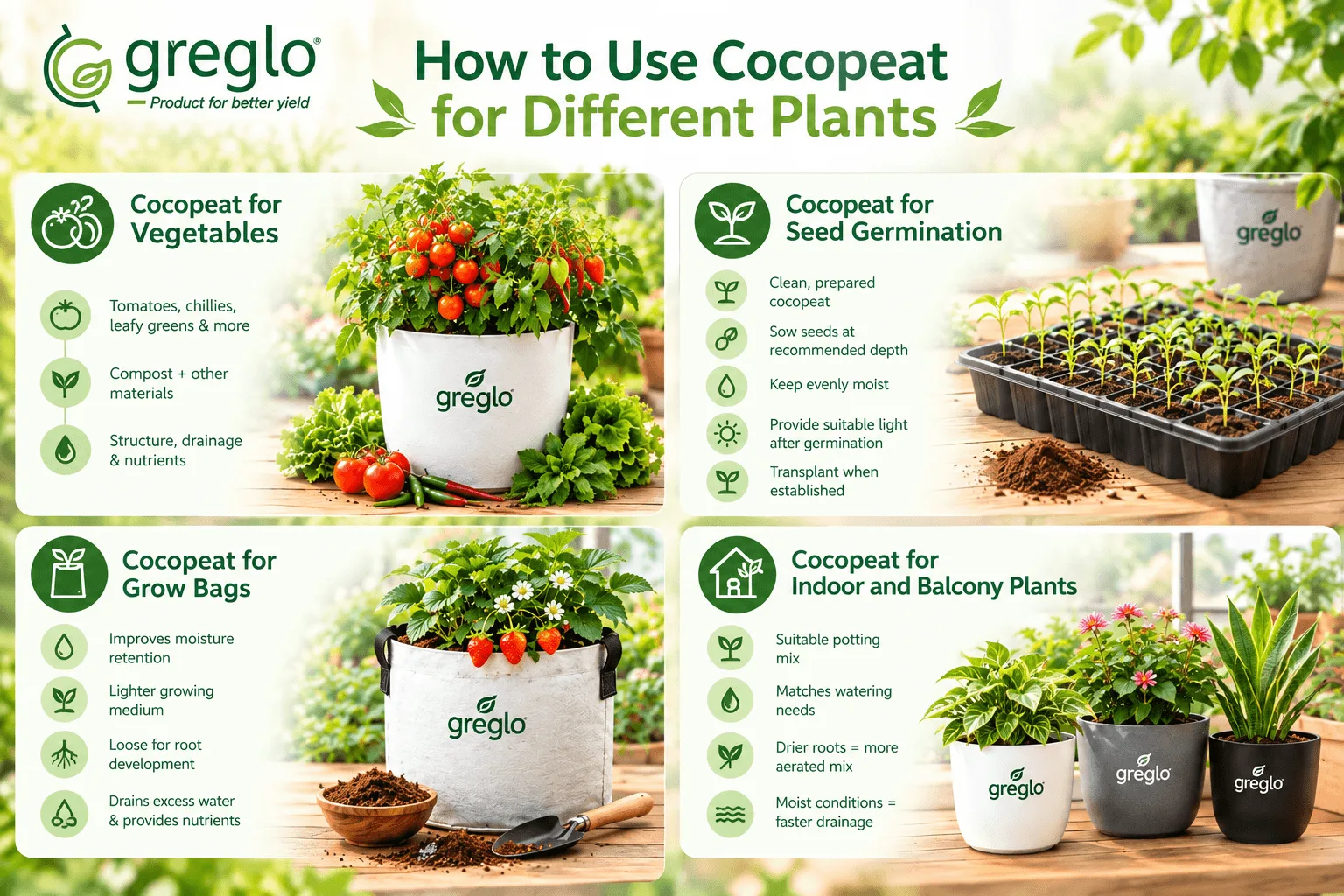
Compressed cocopeat needs to be hydrated before use. Follow these steps to prepare it correctly.
Step 1: Place the Block or Brick in a Container
Choose a clean container large enough to accommodate the expanded material. Remember that compressed cocopeat increases in volume when hydrated.
Step 2: Add Water Gradually
Add water according to the product instructions. Allow the compressed material to absorb the water and soften.
Step 3: Break Apart the Material
Once the cocopeat begins to expand, gently loosen it by hand or with a suitable gardening tool. Break up compacted sections until the texture becomes more uniform.
Step 4: Check the Moisture Level
The hydrated cocopeat should be moist and loose rather than dripping with excess water. If necessary, allow excess water to drain before mixing it with other materials.
Step 5: Prepare Your Growing Mix
Combine the hydrated cocopeat with suitable base material and mature compost, depending on the plants you want to grow.
Simple preparation formula:
Compressed Cocopeat + Water → Expanded Cocopeat → Ready-to-Mix Growing Medium
Is Cocopeat the Same as Coco Coir?
The terms are closely related, but they are not always interchangeable.
Coco coir refers broadly to materials derived from coconut husks. These materials can be processed into different products for gardening and horticulture.
- Cocopeat: Fine, pith-like material commonly used in growing mixes.
- Coco coir fibre: Fibrous material used in horticultural and other applications.
- Coco chips: Larger pieces of coconut husk used to create a coarser growing medium.
- Compressed cocopeat blocks and bricks: Convenient formats that expand after hydration.
When choosing a product, consider the material's texture, intended use, moisture characteristics and product specifications.
Can You Grow Plants in 100% Cocopeat?
Some plants can be grown in cocopeat-based or soilless systems, provided that water, nutrients and other growing conditions are managed correctly.
However, cocopeat alone is not automatically a complete growing medium for every plant. It may not supply all the nutrients needed for the entire growth cycle.
For many home gardeners, mixing cocopeat with mature compost and an appropriate base material is a practical starting point. In more controlled growing systems, growers may use a suitable nutrient solution and monitor factors such as pH and electrical conductivity (EC).
Common Mistakes to Avoid When Using Cocopeat
- Improper Hydration: Soak compressed cocopeat before use.
- Overwatering: Ensure proper drainage to prevent waterlogging.
- Poor Nutrition: Add suitable nutrients, compost or fertiliser.
- Ignoring Quality: Check pH, EC and product specifications when needed.
- Wrong Quantity: Choose 650g bricks for small needs and 5kg blocks for larger requirement
Conclusion
Cocopeat is a versatile material for home gardening, seed starting and container growing. Its moisture-retention properties, lightweight texture and convenient compressed formats make it useful for many gardening setups.
Whether you choose cocopeat 5kg blocks for larger projects or cocopeat 650g bricks for a few pots, prepare the material correctly and combine it with a suitable growing medium when needed.
Explore Greglo's cocopeat and coco coir products to find a format that fits your gardening requirements. Start with the amount you need, prepare it properly and adjust your growing mix according to your plants, containers and local weather conditions.