
What Are Cocopeat and Compost?
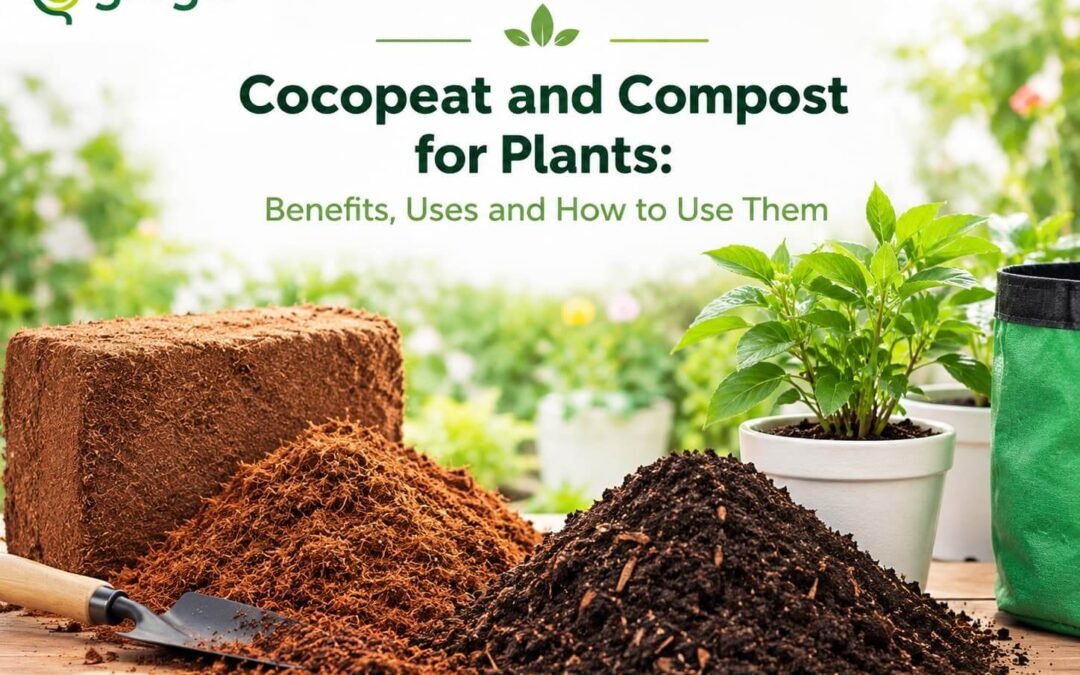
Cocopeat and compost are commonly used in home gardening to improve growing conditions for plants. Although both are useful, they serve different purposes. Cocopeat helps retain moisture and improves the structure of a growing medium, while compost adds organic matter and nutrients.
Combining cocopeat with compost can help create a suitable growing medium for vegetables, flowering plants, and many potted plants. The correct mixture depends on the plant, the pot, and whether additional soil or other ingredients are needed.
What Is Cocopeat?
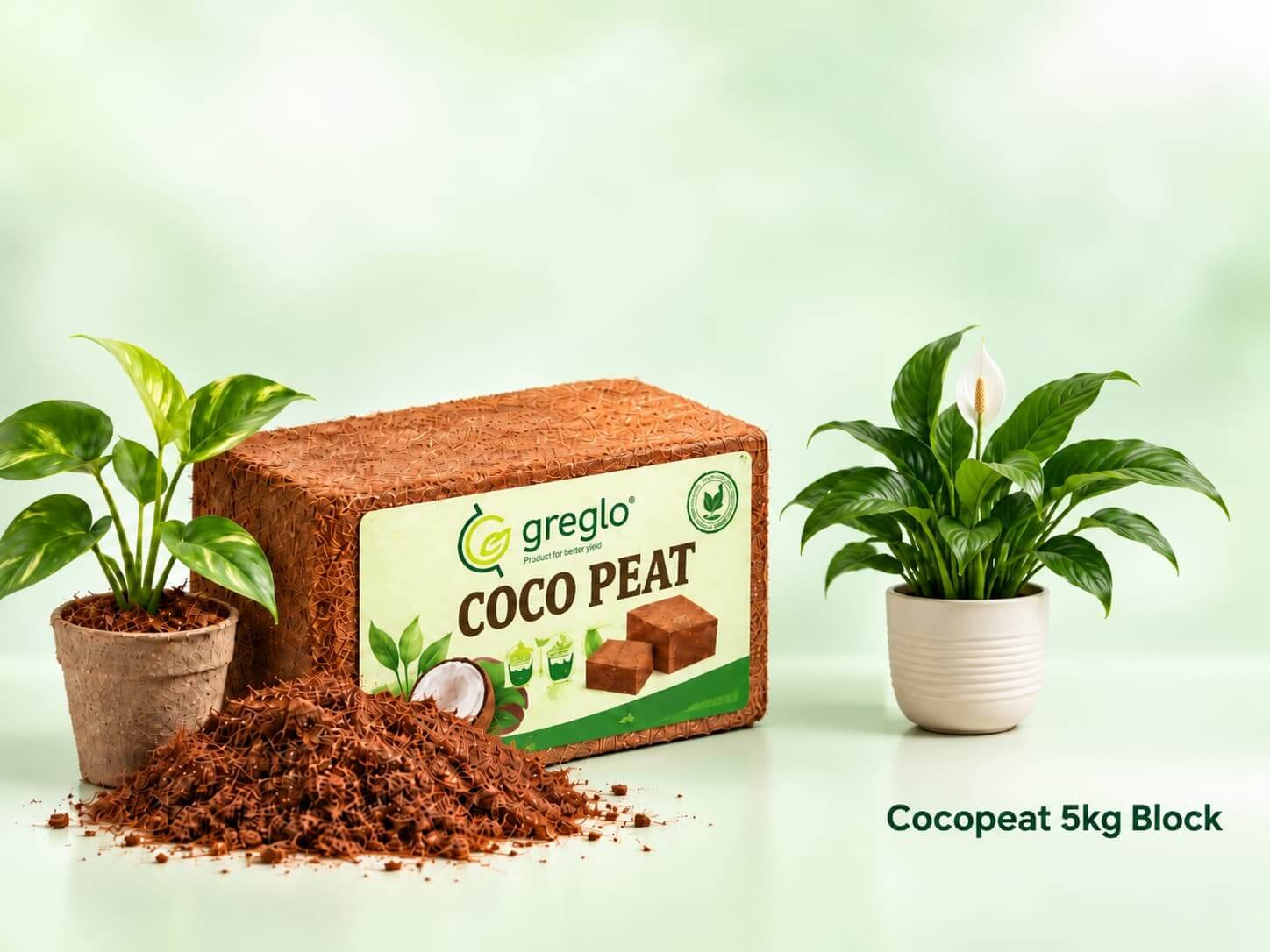
Cocopeat, also called coco peat or coconut coir pith, is made from the fibrous material found between the outer husk fibres of coconuts. It is processed and compressed into blocks, bricks, or loose growing media.
When water is added, compressed cocopeat blocks expand and become a loose, moisture-retentive medium.
Cocopeat is valued for its ability to:
- Retain moisture for plant roots.
- Improve the texture of potting mixtures.
- Provide air spaces when prepared and used correctly.
- Support seed germination and root development when other growing requirements are met.
However, cocopeat alone is not a complete nutrient source for most plants grown over the long term. Plants usually need an appropriate supply of nutrients from compost, fertiliser, or other suitable growing-medium ingredients.
What Is Compost?
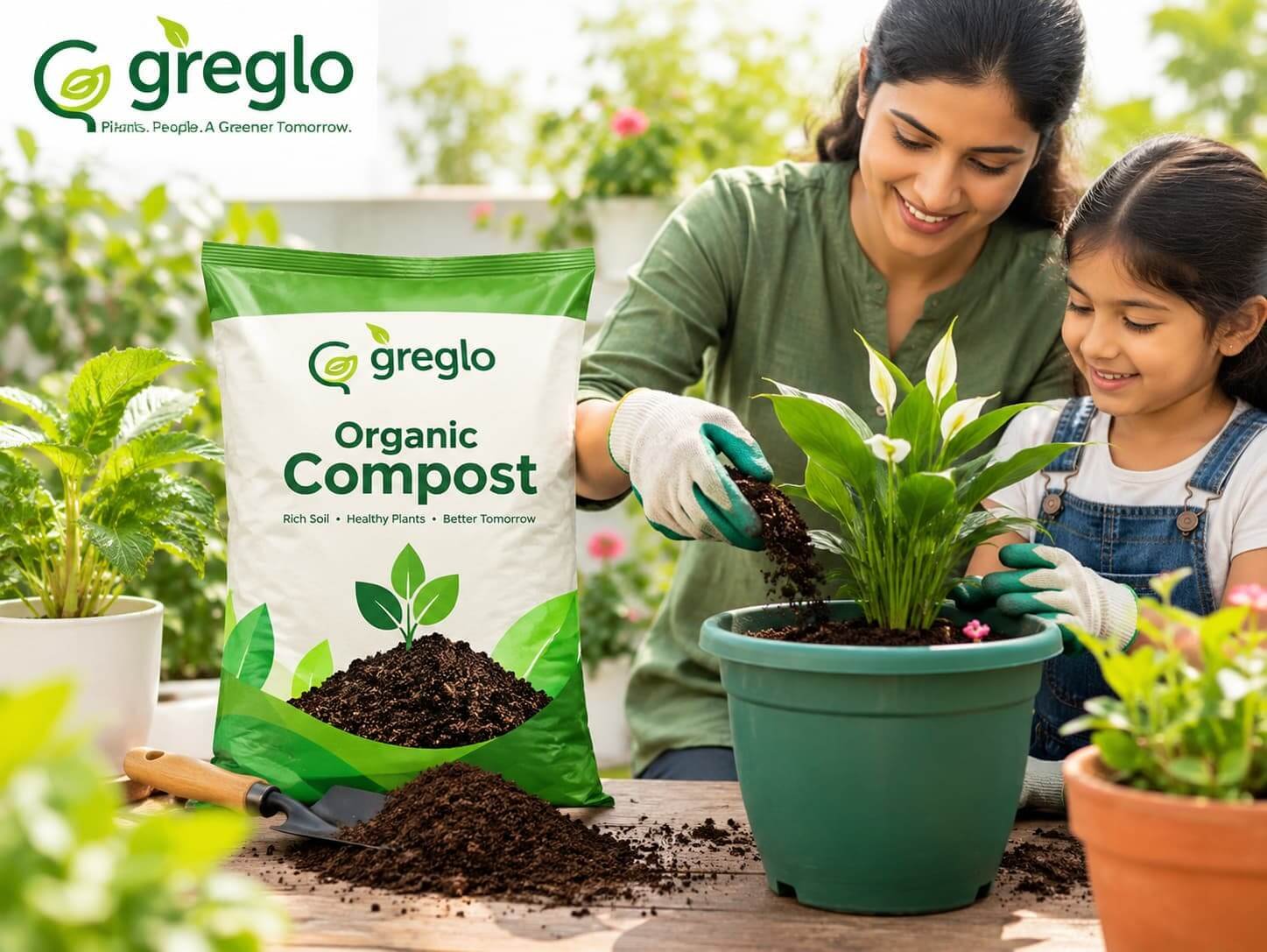
Compost is decomposed organic material produced from materials such as dry leaves, garden waste, and suitable plant-based kitchen scraps.
Mature compost improves soil quality by adding organic matter and supplying varying amounts of nutrients. It can also support beneficial soil organisms.
The nutrient content and physical properties of compost depend on its ingredients and how it was prepared. Use mature, well-decomposed compost rather than fresh, unfinished material for potted plants.
Benefits of Cocopeat and Compost for Plants
Using cocopeat and compost together can help improve growing conditions when the mixture is properly prepared.
1. Helps Retain Moisture
One of the main benefits of cocopeat for plants is its ability to absorb and hold water. This can help keep the growing medium moist between watering sessions.
Compost also contributes to moisture management, depending on its texture and composition. Together, these materials can help reduce rapid drying in many containers.
2. Provides Organic Matter and Nutrients
Compost for plants supplies organic matter and varying amounts of nutrients. Cocopeat, by comparison, is primarily used to improve the physical properties of the growing medium.
Combining them can provide a more useful growing medium than relying on plain cocopeat alone. Depending on the plant and compost quality, additional fertiliser may still be required.
3. Improves Growing-Medium Structure
A suitable cocopeat and compost mix can create a loose, workable growing medium. Cocopeat helps with moisture retention and texture, while compost contributes organic matter.
For many potted plants, good structure is important because roots need both water and access to oxygen. The mixture should not become excessively compact or remain saturated for long periods.
4. Supports Seed Starting and Early Growth
Prepared cocopeat is commonly used for seed germination because it holds moisture around seeds. Compost may be useful in some seed-starting mixtures, but its maturity, salinity, and texture matter.
For small seeds and seedlings, a fine-textured, well-aerated seed-starting medium is generally preferable.
5. Useful for Pots, Grow Bags and Terrace Gardens
A properly balanced cocopeat compost mix can be used in containers, balcony gardens, terrace gardens, and grow bags.
It can be adapted for vegetables, herbs, flowering plants, and ornamental plants. The mixture should be adjusted to suit each plant's water needs, root system, and nutrient requirements.
Cocopeat vs Compost: What Is the Difference?
Although cocopeat and compost are both useful for gardening, they have different properties and functions.
|
Feature |
Cocopeat |
Compost |
|
Source |
Processed coconut husk pith |
Decomposed organic materials |
|
Main purpose |
Retains moisture and improves growing-medium texture |
Adds organic matter and nutrients |
|
Nutrient content |
Generally low in available nutrients |
Contains varying amounts of nutrients |
|
Water retention |
Generally high |
Depends on the materials used |
|
Common uses |
Potting mixes, seed starting and grow bags |
Soil improvement and potting mixtures |
|
Used alone? |
Usually needs a nutrient source for long-term plant growth |
Often mixed with other ingredients for container growing |
Which is better for plants? Neither is universally better. Cocopeat helps manage moisture and growing-medium structure, while compost contributes organic matter and nutrients. Using both together can be beneficial when the proportions suit the plants being grown.
How to Mix Cocopeat and Compost for Plants
Step 1: Hydrate the Cocopeat
Place the cocopeat 5kg block or cocopeat brick in a container and add water. Allow it to expand, then break it apart until loose and evenly hydrated.
Step 2: Prepare the Compost
Choose mature, well-decomposed compost for plants. Break up clumps and remove unwanted debris.
Step 3: Combine the Ingredients
Mix the hydrated cocopeat and compost thoroughly. Add suitable soil or aeration materials to create a loose, well-draining potting mix.
Step 4: Fill the Pots or Grow Bags
Fill your pots or grow bags with the mixture without compacting it too firmly. Ensure the containers have proper drainage holes.
Step 5: Water Before Planting
Water the cocopeat compost mix lightly. Ensure it retains moisture while allowing excess water to drain away.
How to Use Cocopeat and Compost for Different Plants
Vegetables
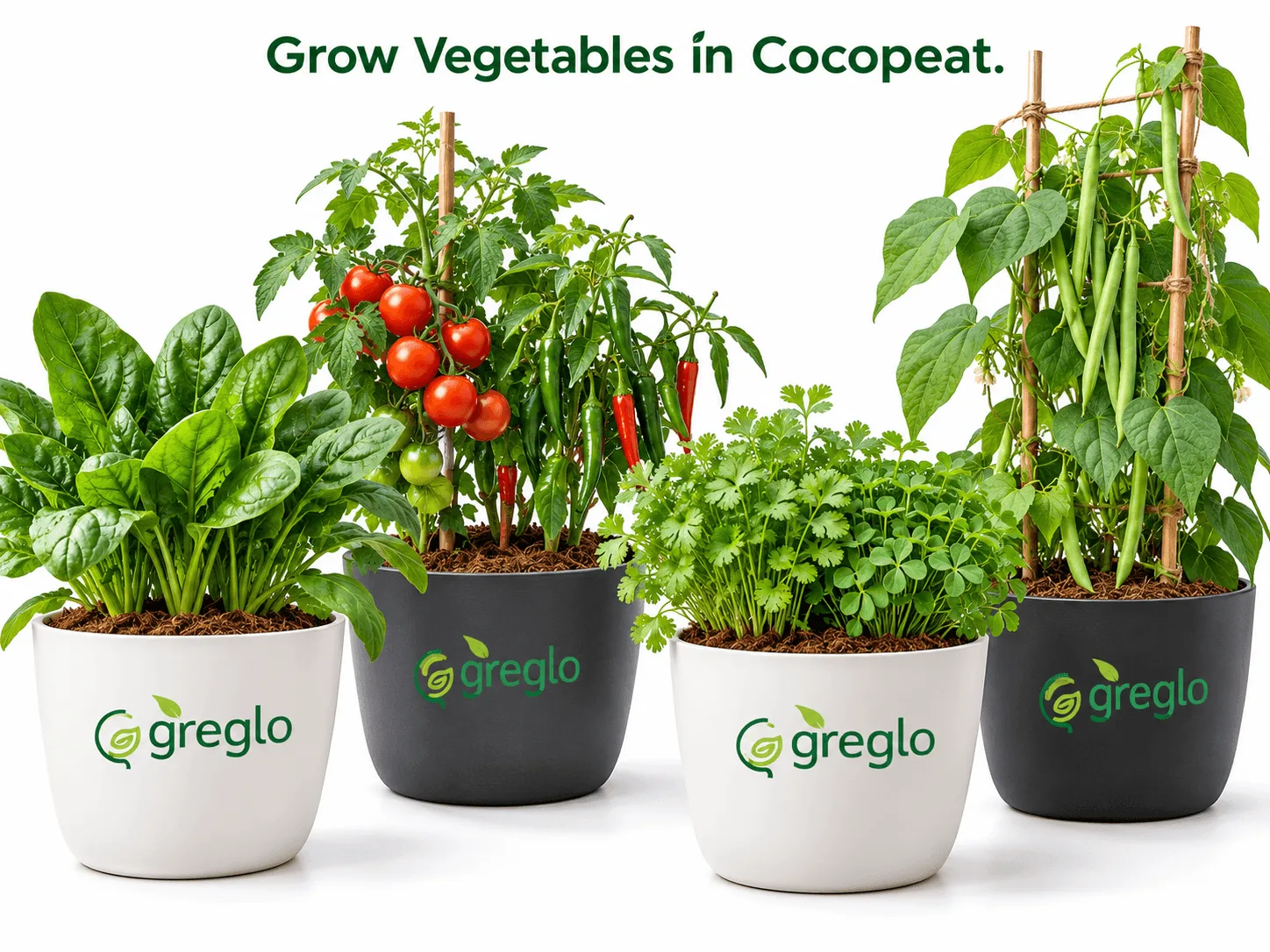
For tomatoes, chillies, brinjal, spinach, and other vegetables, a cocopeat and compost mix can help create a suitable growing medium in pots and grow bags.
Use a mixture that balances moisture retention, aeration, and nutrient availability. Fruiting vegetables generally need a consistent supply of nutrients throughout their growing cycle, so additional feeding may be necessary.
Flowering Plants
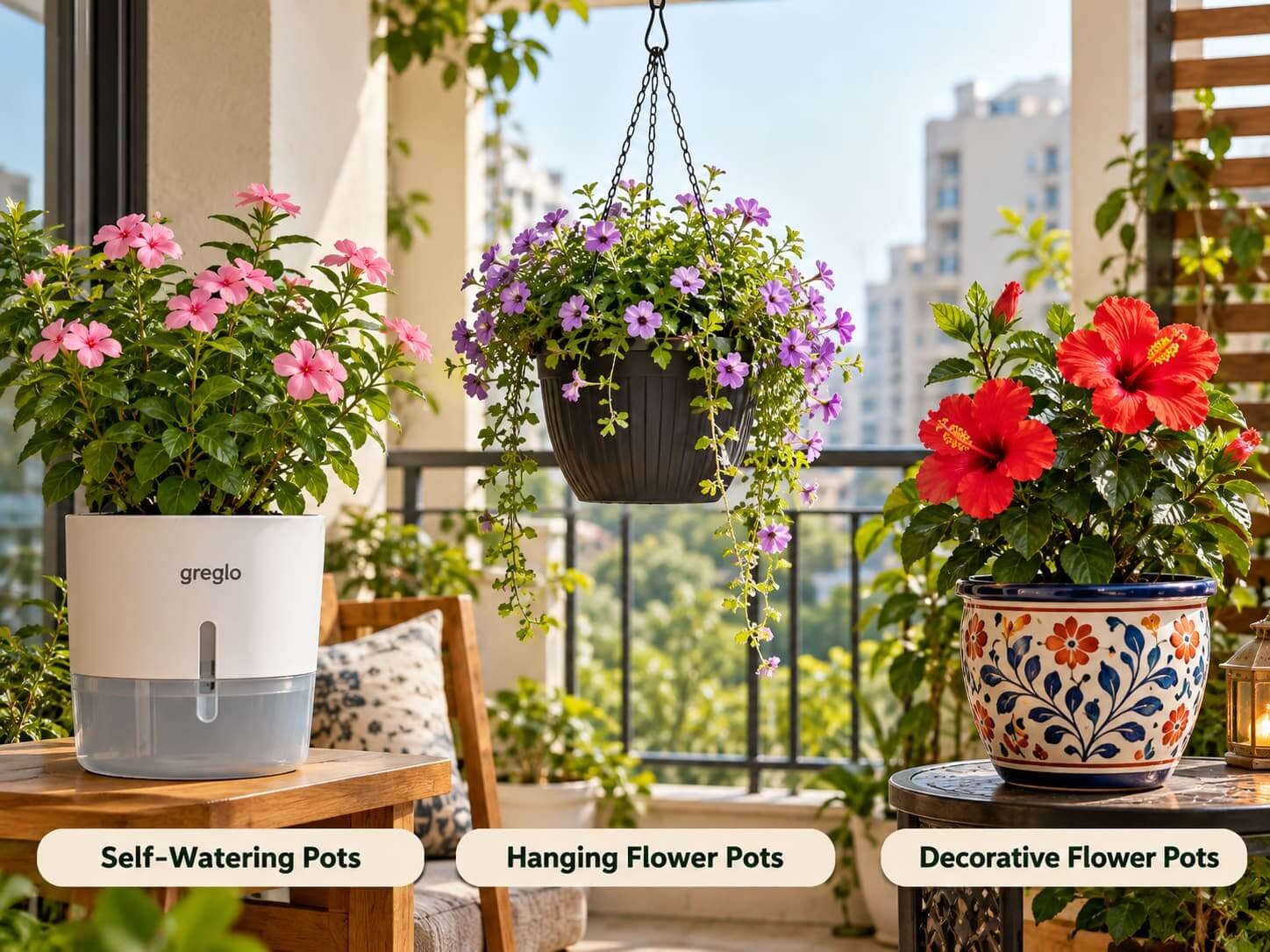
Many flowering plants benefit from a growing medium that retains adequate moisture without becoming waterlogged.
Combine cocopeat with mature compost and suitable potting-medium ingredients. Adjust the mixture for the particular plant, especially if it prefers drier conditions or a more specialised growing medium.
Indoor Plants
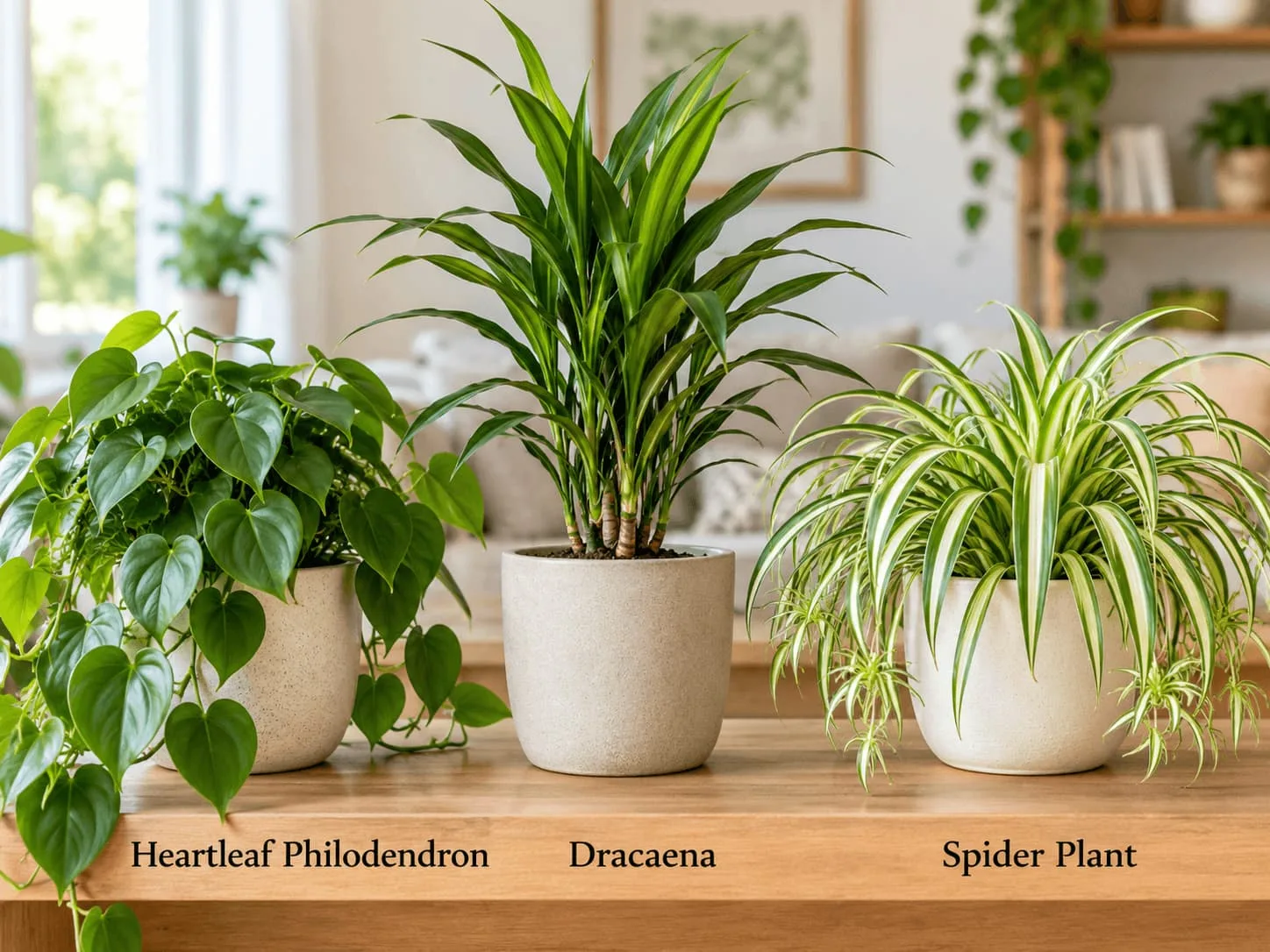
For indoor plants such as pothos, snake plants, and peace lilies, cocopeat for plants can help manage moisture in the potting mix.
However, their needs differ. Snake plants generally require a more freely draining mixture, while peace lilies prefer more consistent moisture. Choose the ingredients and ratios accordingly rather than using one mix for every indoor plant.
Seedlings
Cocopeat can be useful for germinating seeds because it retains moisture around them. However, germination and continued growth are different stages.
Once seedlings develop true leaves, they require adequate nutrients. Transplant them into a suitable nutrient-containing growing medium.
Common Mistakes to Avoid
When using cocopeat and compost for plants, avoid these common mistakes:
-
Using only cocopeat: It lacks sufficient nutrients for long-term plant growth.
-
Adding too much compost: This may affect moisture balance and nutrient levels.
-
Using immature compost: It can harm plant growth.
-
Ignoring drainage: Ensure pots have proper drainage holes.
-
Overwatering: Check moisture before watering.
-
Using poor-quality cocopeat: Check its pH and EC when relevant.
Frequently Asked Questions
1. Can I mix cocopeat and compost for all plants?
Many plants can grow in mixtures containing cocopeat and compost, but the appropriate ratio varies. Plants that prefer dry conditions or highly aerated media may need a different formulation from moisture-loving plants.
2. Is cocopeat better than compost?
They serve different purposes. Cocopeat primarily improves moisture retention and growing-medium texture, while compost adds organic matter and varying amounts of nutrients. Neither is a complete replacement for the other in every growing situation.
3. Can I use cocopeat and compost without soil?
Yes. Some container-growing mixtures use cocopeat, compost, and other suitable ingredients without garden soil. However, the mixture must provide adequate aeration, drainage, and nutrients. The ingredients and ratios should be selected for the plant being grown.