
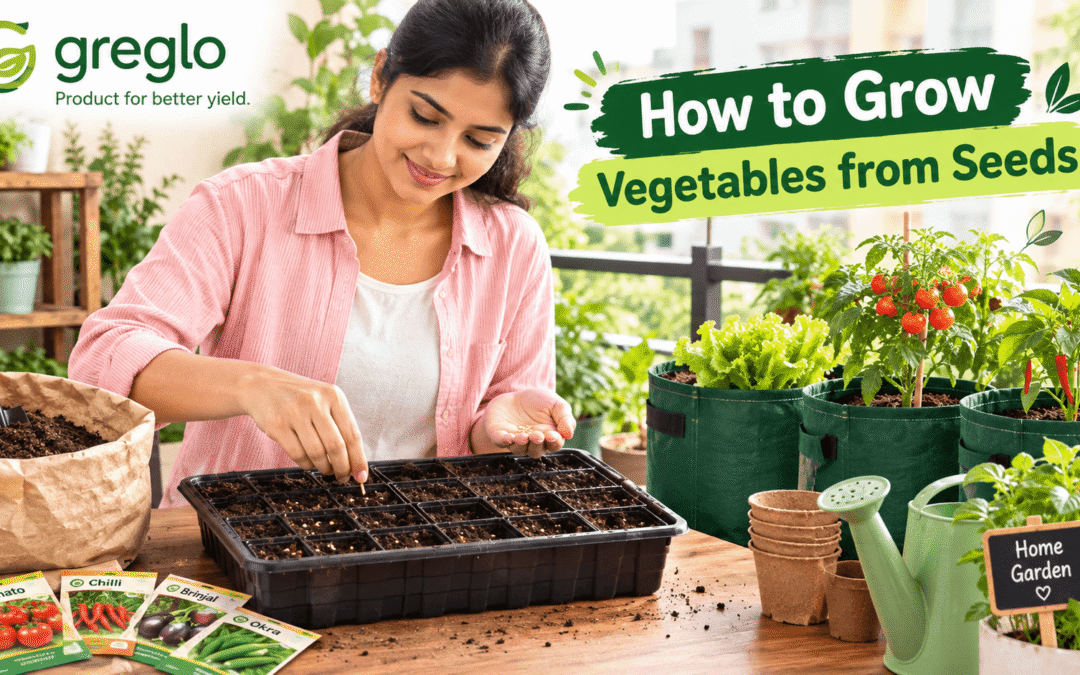
Growing vegetables from seeds is one of the simplest ways to start a home garden. Instead of buying established plants, you can begin with seeds and watch them develop from germination to harvest.
For beginners in India, successful vegetable seed starting depends on choosing suitable seeds, preparing the growing medium, providing enough moisture and giving young plants the right amount of light.
Whether you are gardening on a balcony, terrace or small outdoor space, a few basic steps can make seed starting much easier.
Why Grow Vegetables from Seeds?
Seed Selection Formula:
Successful Seed Starting = Quality Seeds + Suitable Season + Correct Growing Conditions + Proper Moisture + Consistent Aftercare
Starting vegetables from seeds gives you more control over what you grow and when you start your garden.
Some advantages include:
-
-
- Access to a wider range of varieties
- Lower starting cost
- Ability to grow plants from an early stage
- Better understanding of the plant's growth cycle
- Easy succession planting
- Suitable for small home gardens
-
Choose Good-Quality Seeds
The first step in growing vegetables from seeds is selecting suitable seeds.
Before buying or sowing seeds, check:
-
-
- Seed variety
- Packing or expiry information
- Recommended growing season
- Germination information where available
- Suitable growing conditions
- Seed quantity required
-
For beginners, start with a small number of seeds rather than sowing a large quantity at once.
Choose the Right Time to Sow
India has different growing conditions across regions, so planting dates should not be treated as identical everywhere.
Temperature, rainfall and local climate can affect germination and early plant growth.
Before sowing, check whether the selected vegetable is suitable for your current season.
For a balcony or terrace garden, also consider how much sunlight the location receives.
Prepare the Seed-Starting Medium
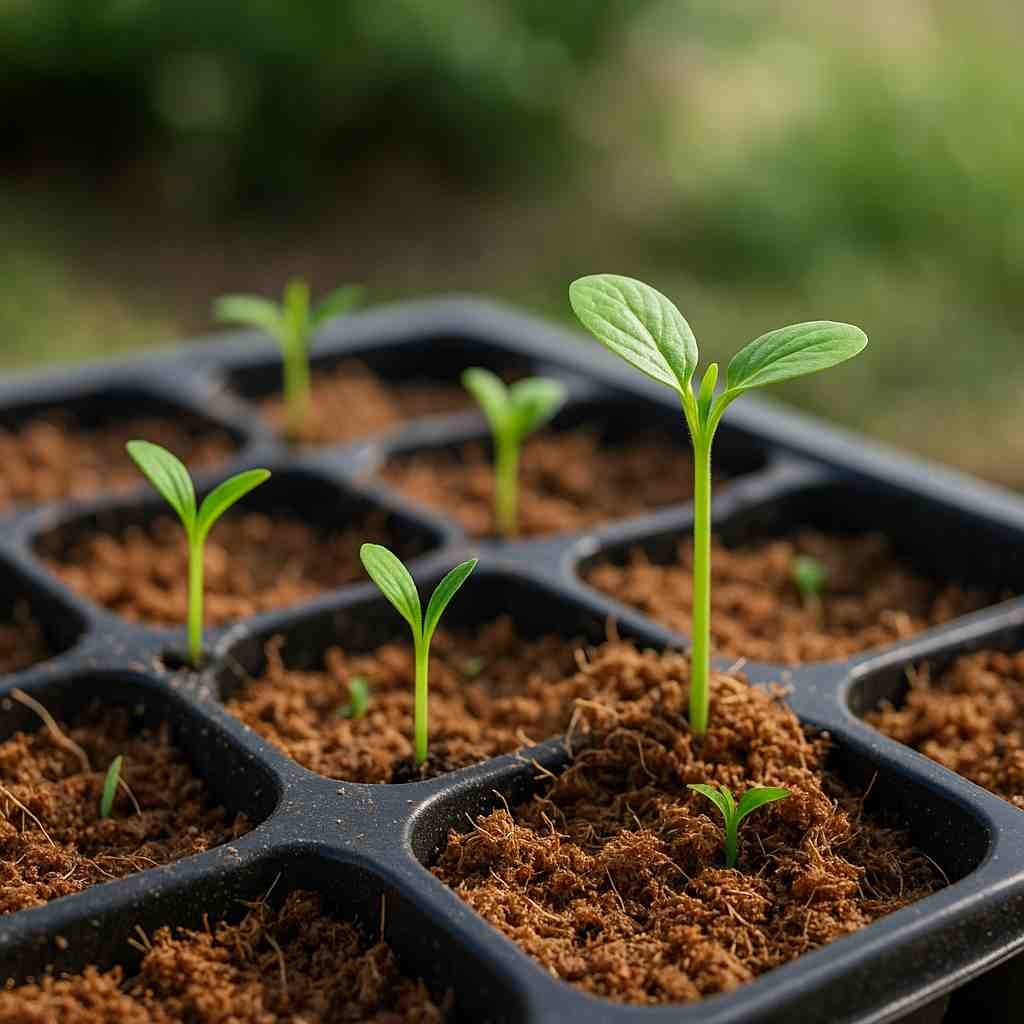
Seeds need a growing medium that provides moisture, air and enough support for developing roots.
A suitable seed starting mix should be:
-
- Loose
- Well-draining
- Moisture-retentive
- Free from large stones or debris
- Easy for small roots to penetrate
Cocopeat can be included in a seed-starting mix because of its moisture-retention properties.
However, the final medium should still provide suitable drainage and structure.
Avoid using extremely heavy or compacted soil for small seeds.
Choose the Right Container
How to Sow Vegetable Seeds
Once the container and growing medium are ready, you can begin sowing.
Step 1: Fill the Container
Fill the container with your prepared growing medium.
Do not compact it heavily.
Step 2: Moisten the Medium
Moisten the growing medium before sowing if it is dry.
The goal is to create an evenly moist environment without making it waterlogged.
Step 3: Sow the Seeds
Place the seeds at the depth recommended for the particular variety.
Very small seeds generally need shallow sowing, while larger seeds can be planted deeper.
Avoid placing all the seeds in one small area.
Step 4: Cover Lightly
Cover the seeds with a thin layer of suitable growing medium when required.
Do not bury small seeds too deeply.
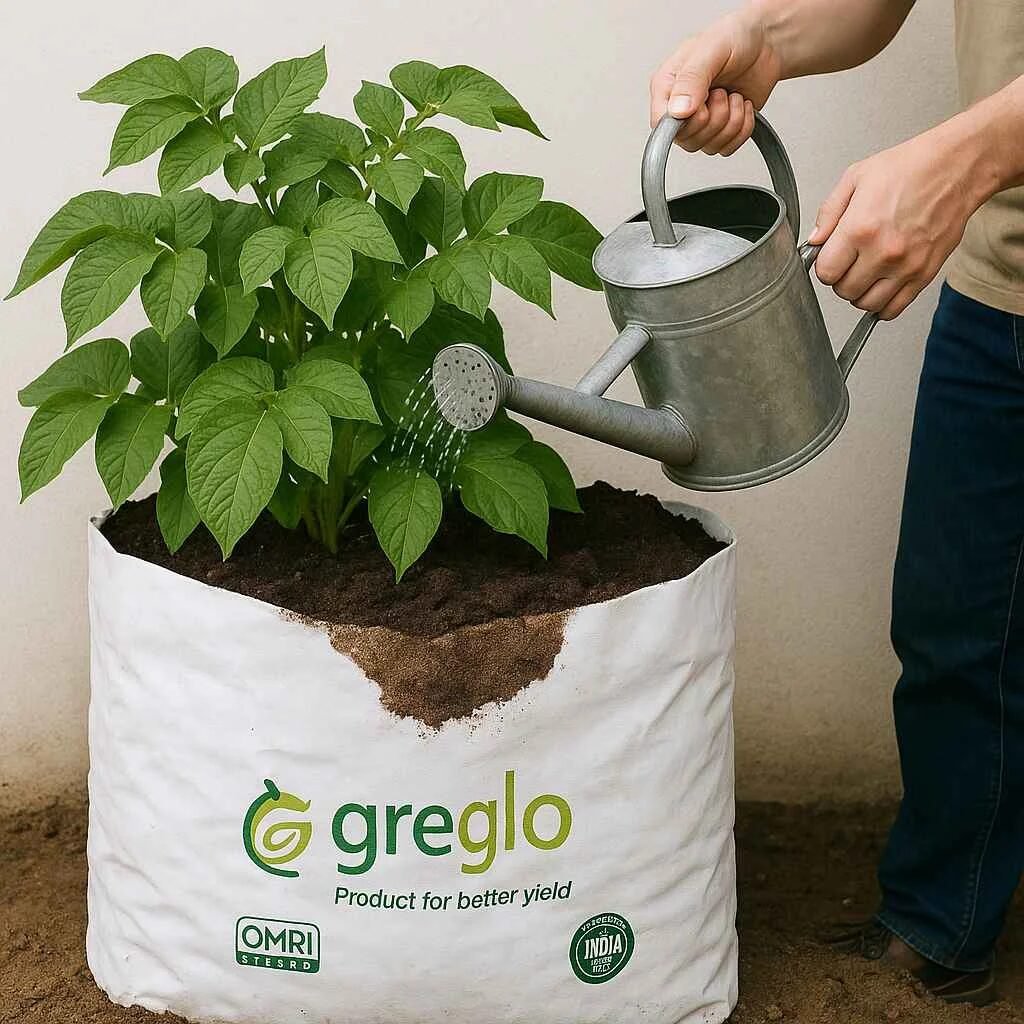
Step 5: Water Gently
Use a gentle watering method so the seeds are not displaced.
A fine spray or gentle watering can work well for small containers.
How Long Do Vegetable Seeds Take to Germinate?
There is no single germination time for all vegetables.
Germination can be influenced by:
-
- Seed variety
- Temperature
- Moisture
- Seed age
- Growing medium
- Sowing depth
- Seed quality
Some seeds may emerge relatively quickly, while others can take considerably longer.
Avoid disturbing the growing medium repeatedly just because germination has not happened immediately.
How to Care for Newly Germinated Seedlings
Once seedlings emerge, their requirements begin to change.
Provide Adequate Light
- Young seedlings need sufficient light for healthy development.
- If they do not receive enough light, they may become thin and stretched.
- Gradually provide suitable sunlight according to the plant's requirements and local weather conditions.
Maintain Moisture
- Keep the growing medium appropriately moist.
- Do not keep it continuously saturated.
- At the same time, avoid allowing small seedlings to dry out completely.
- Because small containers can lose moisture quickly, check them regularly.
Avoid Strong Water Pressure
- Young stems and roots are delicate.
- Use gentle watering so seedlings are not knocked over or exposed.
When Should You Transplant Seedlings?
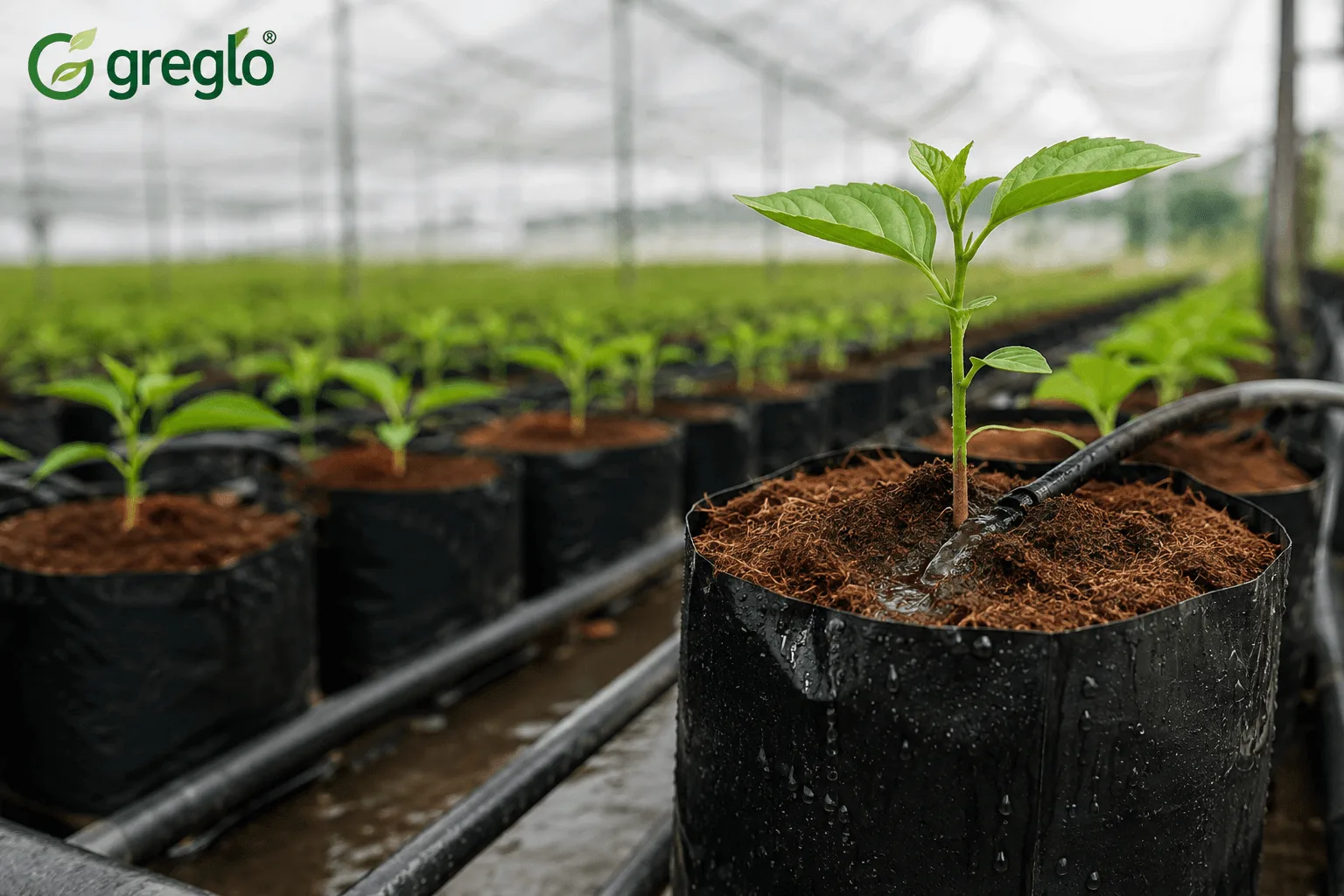
Some vegetables can remain in their original containers, while others benefit from being moved into a larger growing space.
Transplant when the seedlings are sufficiently established and suitable for the next container.
Before moving them, prepare the final pot or grow bag in advance.
Signs a Seedling May Be Ready
Look for:
-
- Several healthy leaves
- A stronger stem
- Established roots
- Healthy overall growth
Avoid pulling seedlings out roughly because this can damage young roots.
How to Harden Seedlings
Seedlings raised in a protected environment may need gradual adjustment before being exposed to stronger outdoor conditions.
This process is often called hardening off.
You can gradually increase their exposure to outdoor conditions rather than moving them suddenly from a protected area into strong sunlight or wind.
This can reduce transplant stress.
Common Seed-Starting Mistakes
1. Sowing Too Deeply
Seeds buried too deeply may struggle to emerge.
2. Overwatering
Constantly wet growing media can create poor conditions for young roots.
3. Letting the Medium Dry Completely
Small seedlings have limited root systems and can be sensitive to severe dryness.
4. Using Poor Drainage
Excess water has nowhere to go when drainage holes are blocked.
5. Giving Too Little Light
Insufficient light can result in weak, stretched seedlings.
6. Transplanting Too Early
Very young seedlings may not yet be strong enough to handle the move.
7. Sowing Too Many Seeds Together
Overcrowding can make it difficult for seedlings to receive sufficient light and space.
Can You Grow Seeds in Cocopeat?
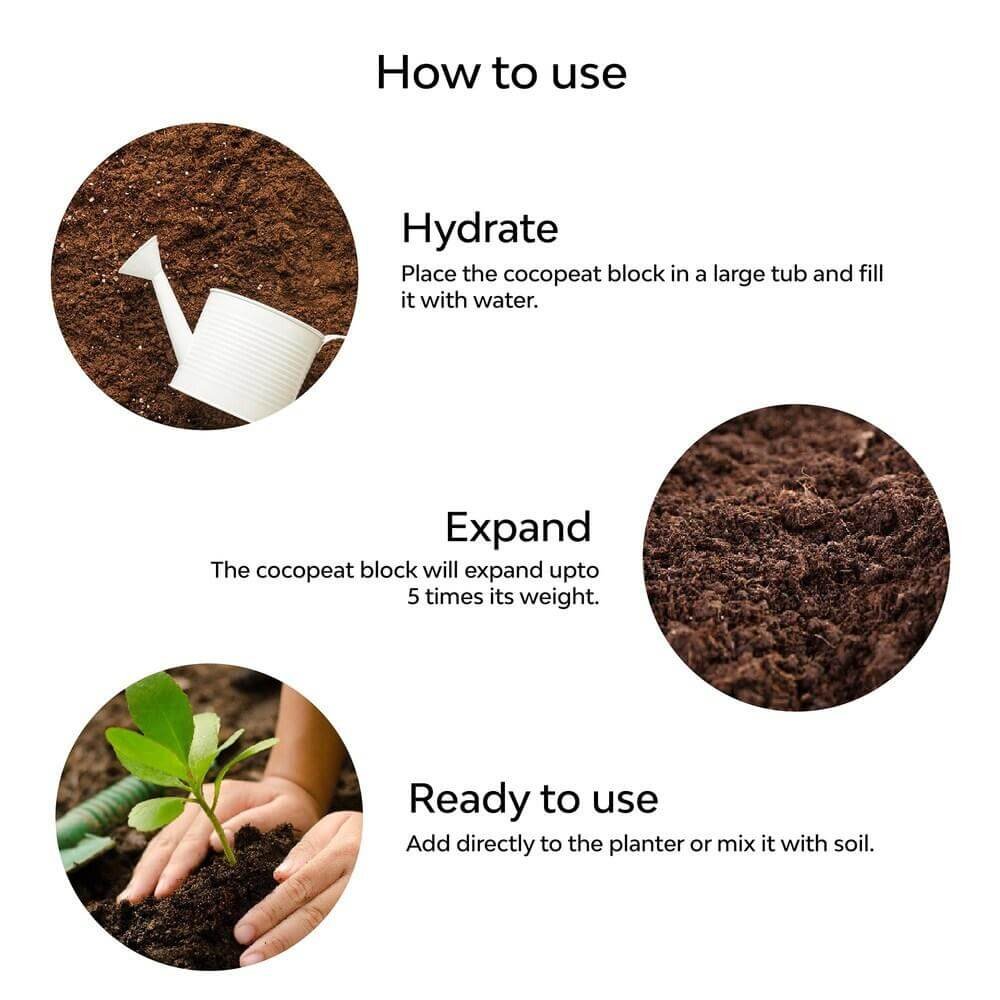
Yes, cocopeat for seed germination can be useful because it holds moisture and provides a lightweight environment for developing roots.
However, cocopeat by itself does not necessarily provide all the nutrients required for the complete growth cycle.
As seedlings develop, they may need to be moved into a more complete growing medium or receive appropriate nutrition depending on the growing system.
The important factors are moisture management, drainage, aeration and later nutrient availability.
Simple Seed-Starting Routine
For beginners, keep the process simple:
Choose suitable seeds → Prepare the medium → Sow at the correct depth → Keep evenly moist → Provide light → Monitor germination → Harden seedlings → Transplant when established
Checking your seedlings regularly is more useful than constantly changing the watering or light conditions.
Conclusion
Learning how to grow vegetables from seeds at home in India does not require a complicated setup.
The most important steps are choosing suitable seeds for the season, using a well-draining growing medium, sowing at the appropriate depth and maintaining consistent moisture.
Once seedlings emerge, focus on light, gentle watering and gradual adjustment to outdoor conditions. With regular observation, even a small balcony or terrace can become a productive starting point for a home vegetable garden.
This gives you a good progression: Container Gardening → Watering → Soil Mix → Seed Starting, without repeating the earlier vegetable-list articles.